Niche Handheld Massagers Explained: Acuvibe, Babyliss, Ball Massager and More

Stiff neck from your laptop, tight calves after a 5 km run, or a dull ache between your shoulder blades can all feel overkill for a bulky massage chair. Compact handheld tools like the Acuvibe massager, Babyliss models, or a simple ball massager target specific knots precisely, delivering focused relief in minutes without dominating your living room or budget.

Niche handheld massagers shrink powerful vibration or pressure into devices weighing 200–800 grams, so you can reach the base of your skull, hip rotators, or forearms easily. A ball massager fits in a pocket, while an Acuvibe massager or Babyliss wand often slips into a laptop bag, meaning you can treat tension at the office, gym, or while traveling.

Because these tools concentrate force into small contact points, they often reach 10–40 mm into soft tissue, which is deep enough to influence trigger points around the shoulder blades or glutes. They also allow short, controlled sessions of 5–10 minutes per area, reducing the risk of over-massaging sensitive joints or compressing nerves near the spine or elbows.

Choosing between an Acuvibe massager, Babyliss massager, or ball massager comes down to how you prefer to create pressure: powered vibration, rolling compression, or a mix of both. Understanding how each device generates force, how many speed levels it offers, and how easily you can hold it for 10–15 minutes helps you match the tool to your pain patterns and daily routines.

1
handheld massager

Why Choose a Handheld Massager Like Acuvibe or Babyliss?

Why Choose a Handheld Massager Like Acuvibe or Babyliss?

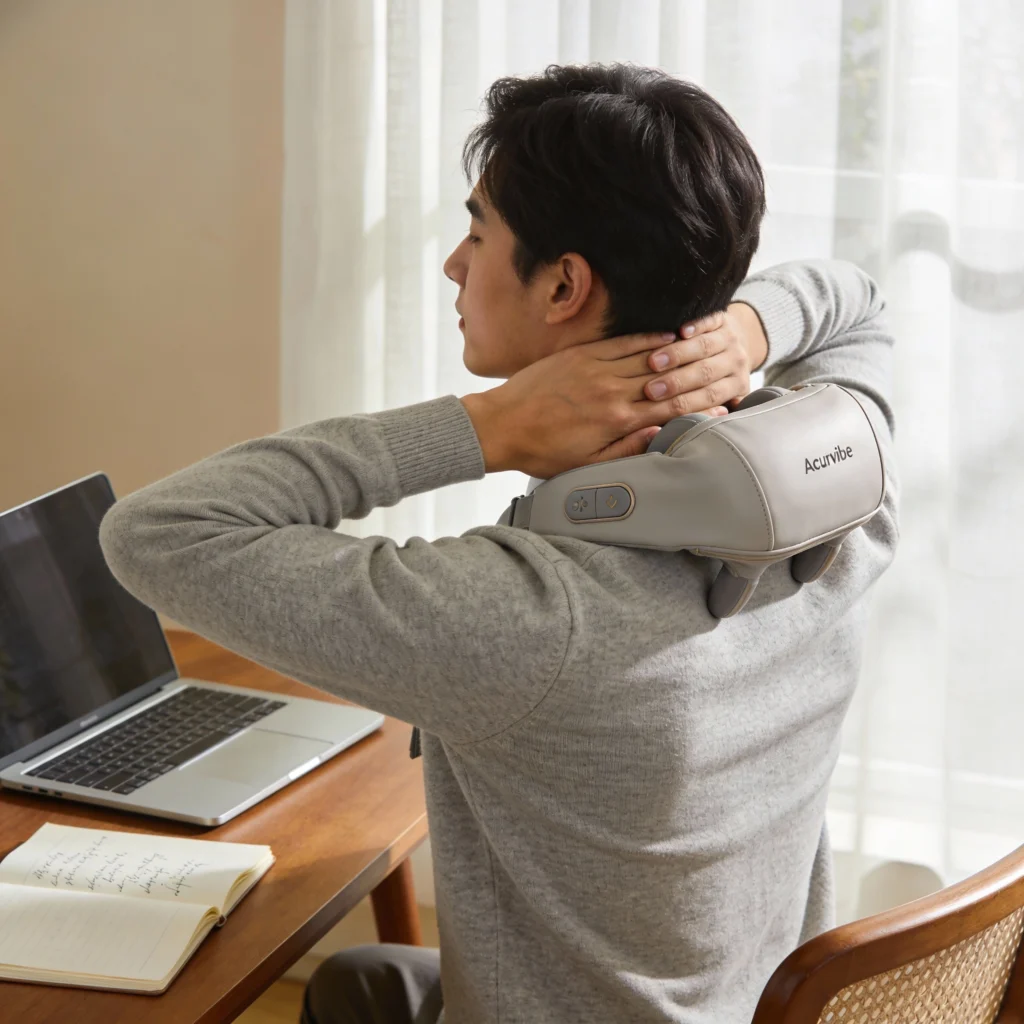
Choosing a handheld massager is often about convenience and precision. When your neck tightens after hours at a laptop, a small, ergonomic device can reach the base of your skull or tops of your shoulders without help. Instead of scheduling a full spa session, you get quick, targeted relief while you’re still at your desk.

Compact handheld massagers appeal to people who want targeted relief without investing in a 15 kg massage chair or large percussion gun. Devices like the Acuvibe massager or Babyliss models typically weigh under 700 grams and measure 20–30 cm long, making them easy to maneuver along the neck, forearms, or calves while still delivering 2,000–3,500 vibrations per minute.

Portability and Everyday Convenience

Handheld units run on rechargeable lithium‑ion batteries or simple mains power, so they can live in a desk drawer instead of a dedicated massage corner. A cordless Acuvibe massager with a 2,000 mAh battery might offer 45–60 minutes of continuous use, enough for five to eight short sessions weekly. This portability encourages consistent, bite‑sized self‑care rather than occasional, hour‑long treatments.

Precision for Small, Stubborn Areas

Because the heads on these devices are relatively small—often 2–4 cm in diameter—they focus energy into tight spaces like the base of the skull or between shoulder blades. A Babyliss massager with interchangeable tips can switch from a broad cap for thighs to a pinpoint attachment for the arch of the foot. This precision reduces the need to press excessively hard, lowering strain on your wrists and elbows during use.
2
Acuvibe massager

Acuvibe Massager: Features, Best Uses, and Who It Suits

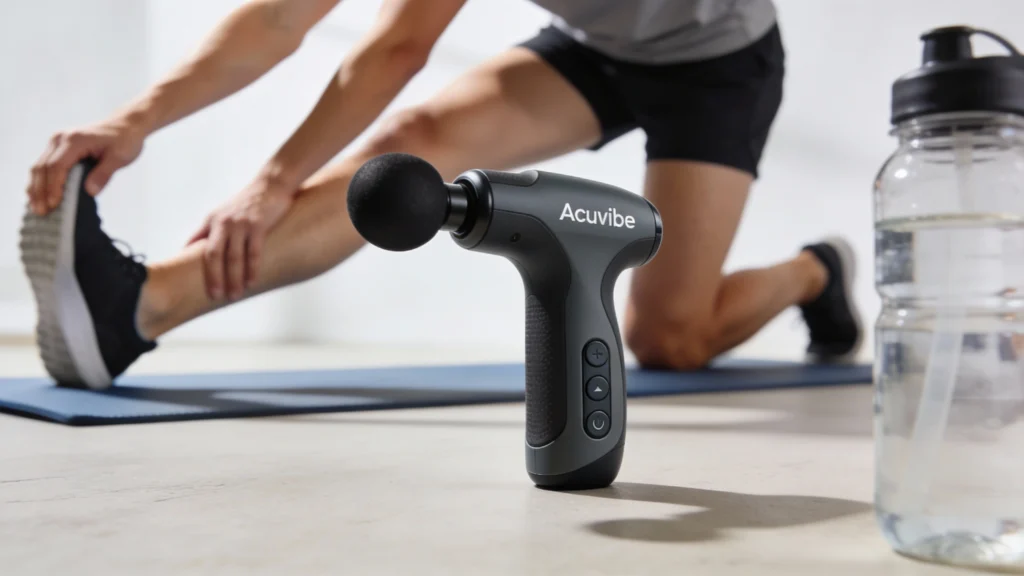
The Acuvibe massager line is known for steady vibration rather than aggressive percussion, making it suitable for people who dislike the jackhammer feel of some massage guns. Typical Acuvibe units offer two speed settings around 2,800 and 3,500 RPM, with a compact handle that keeps overall weight under 600 grams, reducing fatigue during prolonged sessions on the shoulders or lower back.

Acuvibe Massager: Features, Best Uses, and Who It Suits

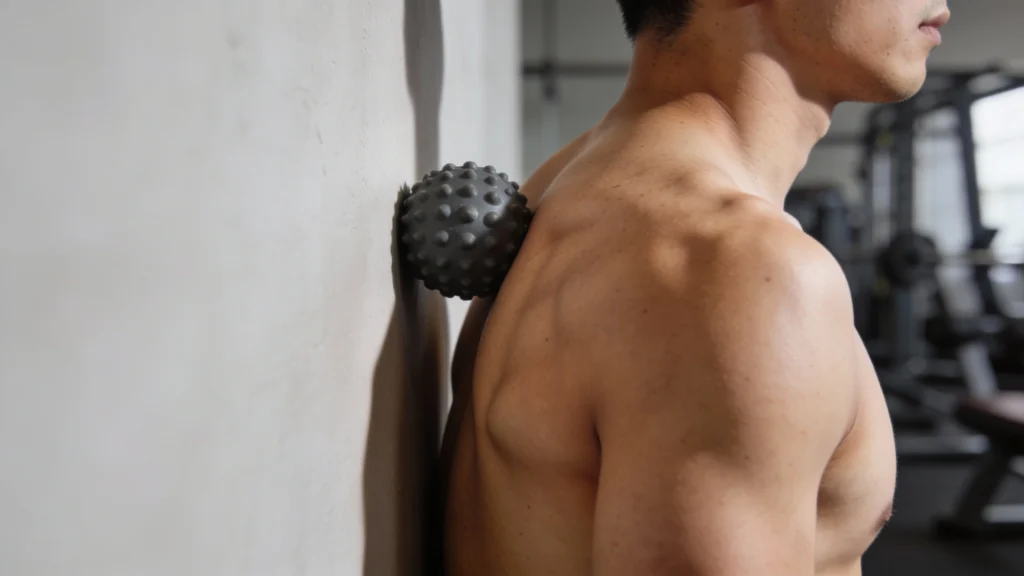
A ball massager looks basic, but it can deliver surprisingly deep relief when you position it between your body and a wall or floor. By slowly leaning your weight into the ball and rolling over tight spots, you can pinpoint knots in the upper back, glutes, or feet with almost no equipment or setup.

Design and Vibration Style

Most Acuvibe massagers use an eccentric rotating weight inside the head to create oscillation, which transmits evenly through soft silicone or rubber caps. This design produces a smoother, humming sensation compared with deep‑stroke devices that move 10–16 mm per hit. The smoother vibration can be more tolerable around bony landmarks like the spine, collarbone, or knees, especially for users with heightened pain sensitivity.

Ideal Target Areas and Users

Because the Acuvibe massager emphasizes steady vibration, it works well for chronic tension rather than acute muscle tears or heavy powerlifting recovery. Many users apply it for 5–8 minutes over the upper trapezius, forearms, or hip flexors after long desk days. People with office jobs, frequent drivers, or migraine‑related neck tightness often prefer this gentler profile over stronger percussion massagers.

3
babyliss massager

Babyliss Massager: Style, Attachments, and Everyday Use

Babyliss Massager: Style, Attachments, and Everyday Use

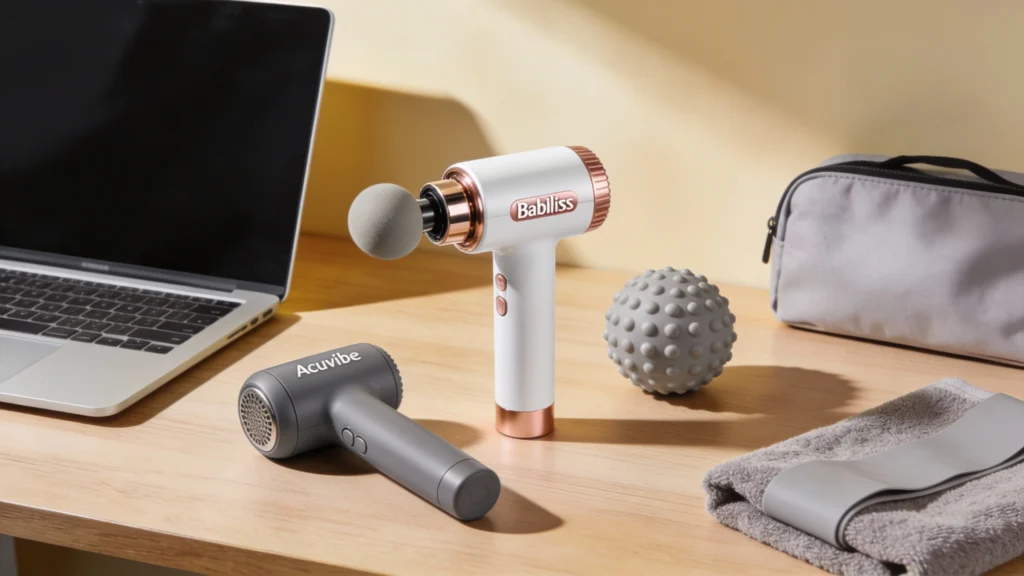
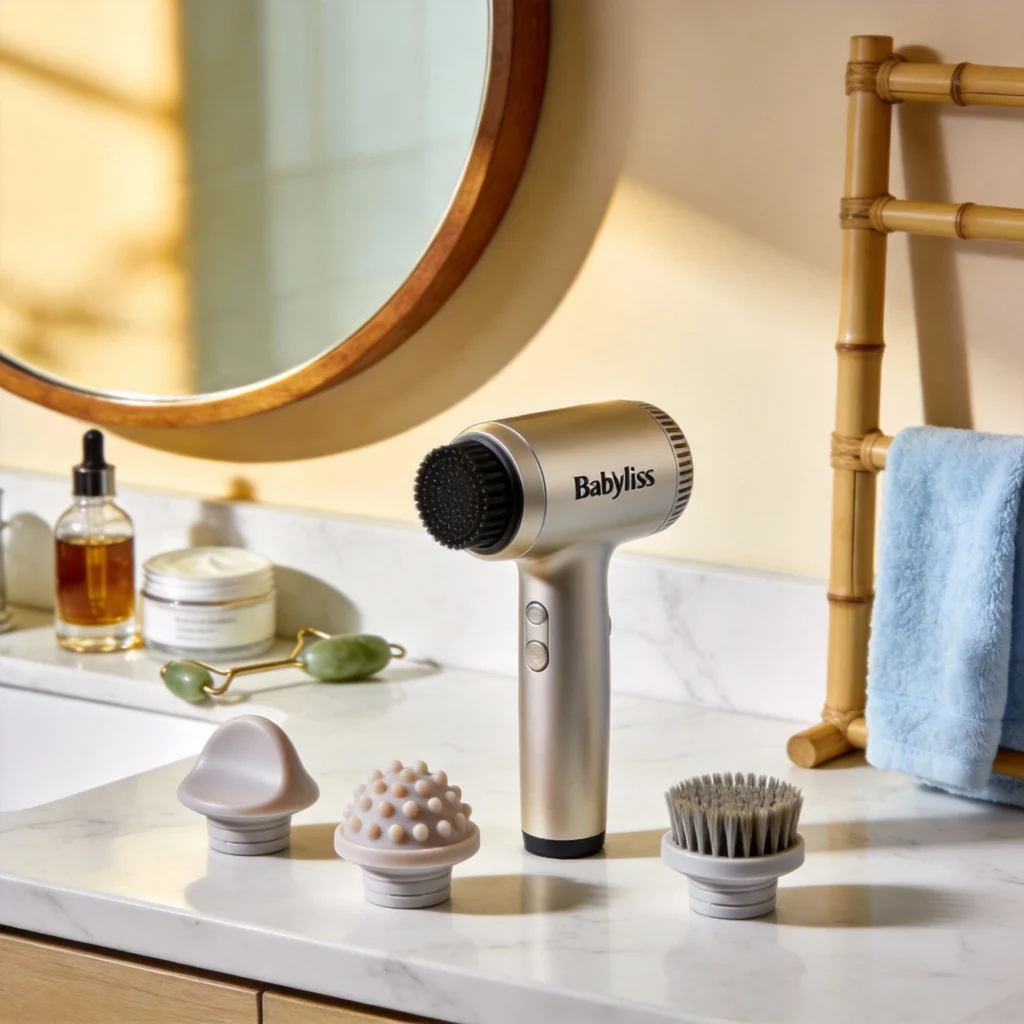
Babyliss massagers often appeal to people who want their recovery tools to feel like part of a beauty or self-care ritual. Multiple attachments let you switch from a gentler, smoothing head for daily relaxation to a more textured option for deeper muscle work, all while matching the sleek, polished look of your bathroom or vanity.

Babyliss massagers sit at the intersection of beauty and relaxation, often sharing design language with the brand’s hairdryers and styling tools. They tend to feature sleek, ergonomic handles, polished plastics, and user‑friendly buttons. Many models combine 2–3 vibration speeds with multiple attachments, making them suitable for both quick scalp stimulation and longer, full‑body relaxation sessions at home.

Typical Attachments and Use Cases

Babyliss massagers frequently ship with rounded caps, multi‑node heads, and sometimes flexible prong attachments. The rounded cap spreads force across larger muscles like quadriceps or hamstrings, while multi‑node heads create several mini contact points for the upper back. This versatility helps users move from a 3‑minute shoulder refresh to a 10‑minute leg session without swapping devices or adjusting complicated settings.

  • Rounded cap attachment distributes vibration over 5–6 cm, ideal for thighs, glutes, and larger back regions after workouts.
  • Multi‑node head offers 4–6 small bumps, targeting multiple trigger points across shoulders or calves in a single pass.
  • Scalp‑style prongs stimulate circulation across the head, often used for 2–3 minutes before shampooing.
  • Soft silicone tips reduce friction on bare skin, letting you massage with minimal oil or lotion for everyday convenience.
4
ball massager

Ball Massager Basics: Simple Tool, Surprisingly Deep Relief

A ball massager looks almost too simple to be effective, yet its geometry concentrates body weight into a tiny contact area, often around 3–7 cm in diameter. Whether it’s a solid rubber lacrosse ball, a textured massage ball, or a dual peanut design, this tool can reach 20–40 mm into muscle tissue when you lean against a wall or floor.

Ball Massager Basics: Simple Tool, Surprisingly Deep Relief

The Acuvibe-style massager shines when you need strong, focused vibration on stubborn knots. Its curved handle and simple controls make it easy to reach calves, hip rotators, or mid-back without straining. Many users keep one in a gym bag to tackle post-run tightness or lingering muscle fatigue before it turns into a bigger issue.

How a Ball Massager Works

Unlike powered devices, a ball massager relies on gravity and controlled body movement to generate pressure and shear. Rolling slowly across the ball mobilizes fascia and compresses trigger points, while pausing for 30–60 seconds on a tender spot encourages the muscle spindle to relax. This combination of sustained pressure and movement can reduce perceived stiffness more effectively than light, fast vibration for many people.

  • Single rubber ball, around 6 cm diameter, suits glutes, piriformis, and upper back against a wall or floor.
  • Textured ball with small nubs improves grip on clothing, limiting slippage during slow rolling across calves or feet.
  • Dual “peanut” ball cradles the spine, applying pressure to paraspinal muscles without compressing vertebrae directly.
  • Foam ball variants provide slightly softer contact, helpful for beginners or sensitive areas like the side of the hip.
5

Comparing Acuvibe Massager, Babyliss Massager, and Ball Massager

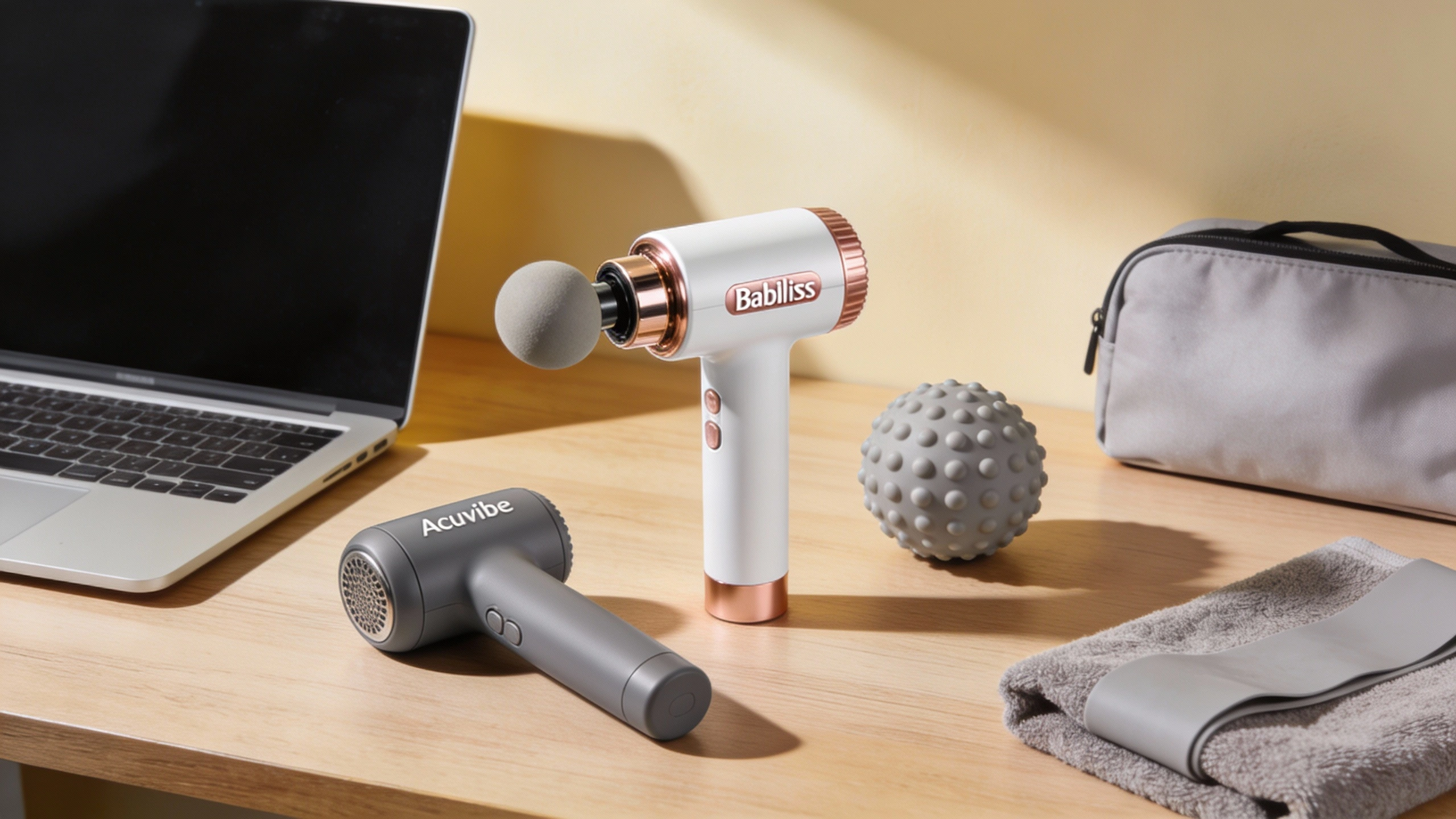
Choosing between an Acuvibe massager, Babyliss massager, and ball massager becomes easier when you compare measurable factors like intensity, noise, and cost. Each tool excels in different contexts: the Acuvibe for gentle vibration, Babyliss for multi‑purpose home use, and ball massagers for deep, low‑tech pressure you can apply almost anywhere.

Comparing Acuvibe Massager, Babyliss Massager, and Ball Massager

Side‑by‑Side Specs and Use Scenarios

The table below summarizes common specifications and price ranges for these three categories, giving you a practical snapshot. Values reflect typical consumer models sold online in North America and Europe as of 2024. Use this comparison to prioritize what matters most: budget, intensity, portability, or how much manual effort you are willing to contribute during each session.

Device TypeTypical Price (USD)Weight / SizeIntensity & NoiseBest Use Scenario
Acuvibe massager$60–$110450–650 g / ~25 cmModerate vibration, ~45–55 dBDaily neck, shoulder, forearm relief at home or office
Babyliss massager$40–$90400–700 g / ~23–28 cmLight‑to‑medium, ~40–55 dBGeneral relaxation, scalp and body massage in routines
Single ball massager$8–$2580–150 g / 5–7 cmDeep manual pressure, silentTrigger point work on feet, glutes, upper back against wall
Peanut ball massager$12–$30150–250 g / 12–16 cmModerate manual pressure, silentParaspinal release along back without spinal compression
Foam or soft ball$10–$2060–120 g / 6–8 cmGentler manual pressure, silentBeginners, sensitive hips, side body, or post‑surgery rehab

When comparing these tools, consider not only the purchase price but also how often you will realistically use them. A $20 ball massager employed daily for two years costs less than three cents per session, while a $90 Babyliss massager used once weekly remains excellent value if it prevents even a few $70 physiotherapy visits annually.

6

How to Choose the Right Handheld Massager for Your Needs

How to Choose the Right Handheld Massager for Your Needs

Selecting the best handheld massager starts with mapping your pain patterns, sensitivity, and budget. People with chronic desk‑related neck tension may thrive with a gentle Acuvibe massager, while runners battling plantar fasciitis often respond better to a firm ball massager under the arch. Matching device intensity to tissue tolerance prevents soreness and improves long‑term adherence.

Decision Guide by Pain Point and Sensitivity

Begin by rating your pain on a 0–10 scale and noting whether it feels sharp, burning, or dull and achy. Dull, widespread tightness around the shoulders or hips usually tolerates vibration well, whereas sharp, localized pain near joints may prefer careful ball work or professional assessment. Your ability to relax during pressure is a strong indicator you’re in the therapeutic, not aggravating, zone.

As a rule of thumb, choose vibration‑based tools like Acuvibe or Babyliss for general relaxation and circulation, and choose a ball massager when you need slow, targeted pressure on specific trigger points that feel like small, marble‑sized knots within a muscle.

Budget, Portability, and Effort Considerations

If you travel frequently, a single 6 cm ball massager weighing under 120 grams can live in your carry‑on indefinitely. Those who prefer minimal effort may appreciate a plug‑in Babyliss massager, since it does most of the work while you simply guide the head. Consider starting with a $10–$25 ball and upgrading to a $60–$100 powered device if you crave more convenience.

7
Massagers

Safety and Care Tips for Acuvibe, Babyliss, and Ball Massagers

Safe use of any handheld or ball massager hinges on session length, pressure, and awareness of red‑flag symptoms. Most people tolerate 5–10 minutes per body area, up to 20–25 minutes total per day, as long as the skin doesn’t bruise and pain eases within 24 hours. Exceeding this can irritate tissues or compress superficial nerves.

Safety and Care Tips for Acuvibe, Babyliss, and Ball Massagers

Usage Limits, Cleaning, and Storage

For Acuvibe and Babyliss devices, avoid running continuously longer than the manufacturer’s recommendation, often 15–20 minutes, to prevent overheating. Wipe heads with a 70% isopropyl alcohol solution or mild soap after use, especially if shared. Store tools in a dry place between 10–30°C; high humidity can corrode internal components or degrade rubber on both powered units and ball massagers.

Stop any session immediately if you feel tingling, numbness, or sharp, electric pain, as these may indicate nerve irritation rather than helpful muscle pressure. Persistent swelling, redness, or pain above 7 out of 10 warrants medical evaluation before continuing self‑massage.

When to Avoid or Modify Self‑Massage

Avoid using powered massagers directly over fresh bruises, open wounds, varicose veins, or areas with reduced sensation from neuropathy. People on blood thinners should use very light pressure and limit ball massager sessions to 2–3 minutes per spot to reduce bruising risk. Pregnant users should consult a clinician before massaging the lower back or abdomen, sticking mainly to feet, hands, and upper shoulders if cleared.

Face, Neck, Head, Body, Back & Foot Massager
For a Relaxing & Relieving Lifestyle
14-day money back guarantee
Lowest Prices: 365 Days Discount
Safe & Secure online payment
Contact Us

Massagers Mart © 2025. All Rights Reserved

Massagers Mart
Logo
Compare items
  • Total (0)
Compare
0
Shopping cart