Benefits of a Foot Massager: From Relaxation to Circulation and Pain Relief

Wondering if the benefits of a foot massager go beyond a few minutes of comfort? Many people buy one for relaxation, then discover surprising effects on circulation, swelling, and pain. Understanding what these devices actually do helps you decide if they belong in your long‑term self‑care or recovery routine.

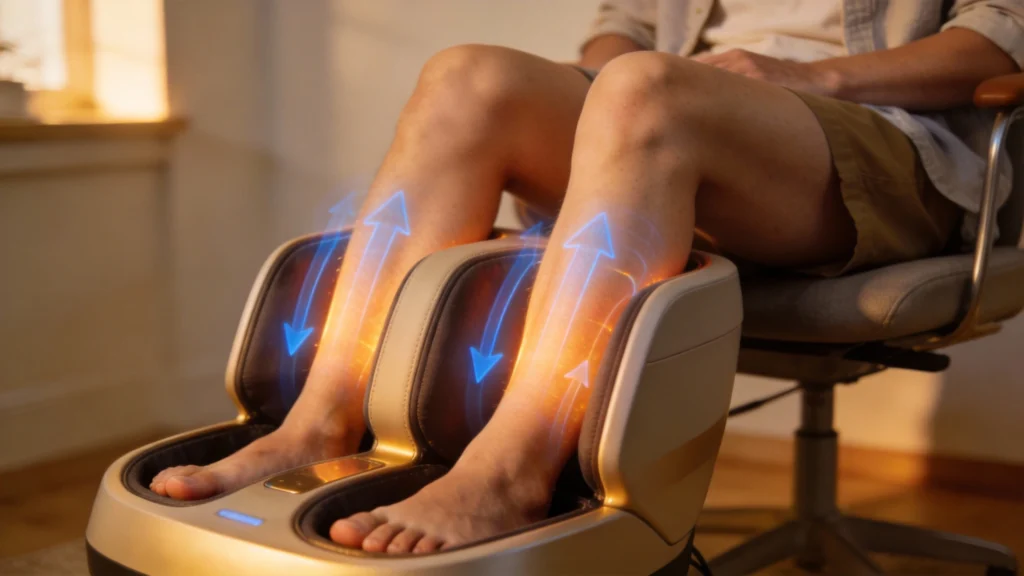
When used correctly, even a compact home unit can offer measurable benefits beyond feeling pampered. The best foot massager for circulation combines kneading, compression, and sometimes heat to stimulate blood flow in the feet and ankles, where blood can stagnate after long sitting. This targeted stimulation can complement walking breaks, stretching, and medical treatment, rather than replacing them.

Foot and ankle massagers also support the nervous system by activating pressure receptors that compete with pain signals. This “gate control” effect can briefly dial down discomfort from conditions like plantar fasciitis or mild neuropathy. Over weeks, regular short sessions may improve tolerance to activity, help you wind down faster at night, and support recovery after standing shifts or workouts.

Still, these devices are not one‑size‑fits‑all medical cures. People with diabetes, severe vascular disease, or recent injuries need tailored guidance from clinicians before using intense compression or heat. By looking at specific benefits for circulation, neuropathy, plantar fasciitis, and ankle stiffness, you can match the right device and settings to your body, instead of relying on generic marketing claims.

1
benefits of a foot massager

What Are the Core Benefits of a Foot Massager for Everyday Users?

What Are the Core Benefits of a Foot Massager for Everyday Users?

For everyday users, the biggest benefit of a foot massager is how easy it is to fit into real life. A short session while you read, watch TV, or unwind after work can loosen stiff muscles, calm an overstimulated nervous system, and make your feet feel lighter without needing a full spa setup.

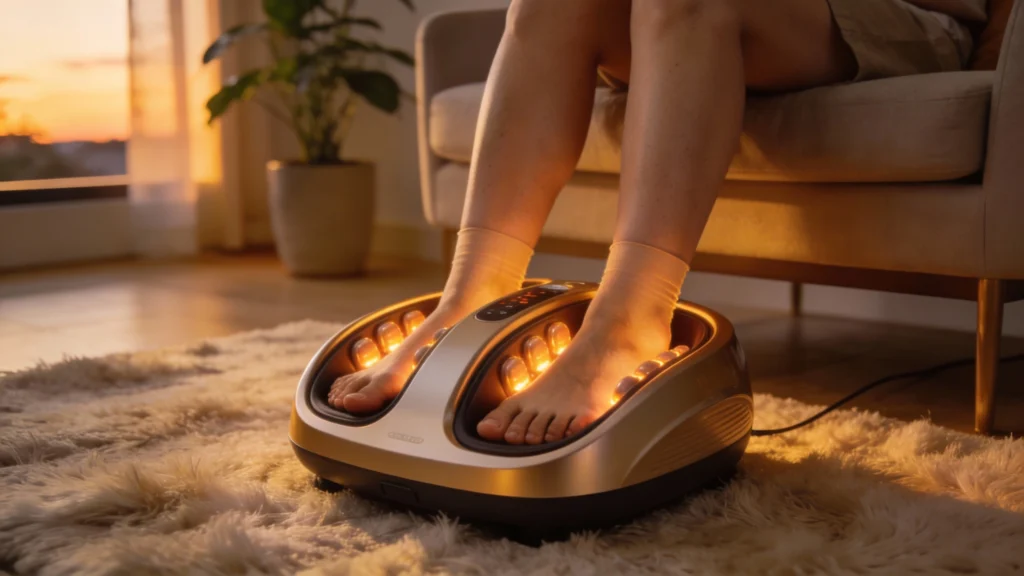
For most everyday users, the benefits of a foot massager start with stress relief and tired‑foot recovery. After eight to ten hours of standing or desk work, the small intrinsic muscles in your feet fatigue, and circulation slows. A 15‑ to 20‑minute massage session can mimic a short walk by rhythmically squeezing and releasing tissues, which many people find calms both physical tension and mental stress.

Relaxation, Stress Relief, and Better Sleep

Foot massage stimulates pressure points densely packed in the soles, sending strong sensory input to the brain. This can trigger a shift toward parasympathetic dominance, lowering heart rate by several beats per minute and easing muscle tone. Many users report falling asleep faster after a warm evening session, especially when combining massage with dim lighting and screen‑free time.

Everyday Recovery After Work or Exercise

After running, walking 8,000–10,000 steps, or standing on hard floors, the plantar fascia and calf muscles accumulate micro‑tension. Using a massager with kneading rollers and 38–42°C heat helps soften tight tissues, similar to a warm‑up massage before stretching. Over weeks, this routine may reduce next‑day soreness, allowing you to maintain consistent training or work output without feeling constantly worn down.
2

Benefits of a Foot Massager for Circulation and Swelling

Poor lower‑leg circulation and mild swelling often show up as heavy, achy feet at the end of the day. A well‑designed device, especially the best foot massager for circulation, uses rhythmic compression and rolling to squeeze venous blood and lymph upward. This mechanical action supports the calf “muscle pump,” which normally assists veins in pushing blood back to the heart against gravity.

Benefits of a Foot Massager for Circulation and Swelling

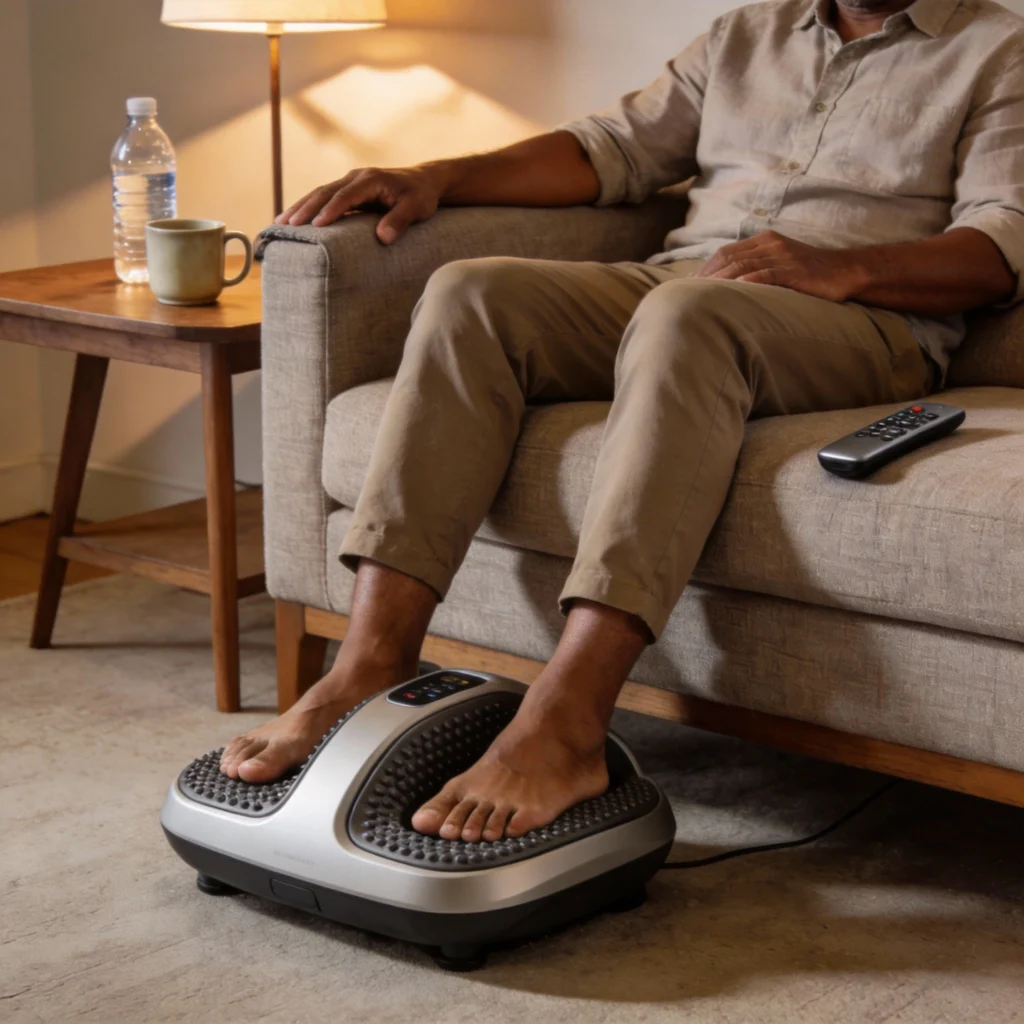
Those dealing with plantar fasciitis or arch pain may find targeted arch support from a foot massager especially helpful. Focused pressure along the sole can loosen tight fascia and surrounding muscles, easing that first-step-in-the-morning ache. Used consistently, it can complement stretching, supportive footwear, and activity modifications recommended by a clinician.

How Compression and Rolling Support Blood Flow

Many circulation‑focused models apply 20–40 mmHg of pressure around the feet and ankles, similar to light compression socks. Alternating inflation and deflation moves fluid from the toes toward the calves in cycles lasting 20–60 seconds. Over a 15‑minute session, you can achieve dozens of these cycles, which may temporarily reduce ankle circumference by a few millimeters in people with mild edema.

  • Choose adjustable compression levels between 20–40 mmHg to match comfort, especially if you wear medical‑grade compression socks.
  • Limit sessions to 15–20 minutes, one to two times daily, to avoid prolonged numbness or skin irritation from continuous pressure.
  • Elevate your legs on a 10–15 cm cushion during massage to enhance venous return and reduce pooling in the ankles.
  • Combine massage with short walking breaks every 60–90 minutes if you sit at a desk, reinforcing circulation improvements throughout the day.
3

Benefits of a Foot Massager for Neuropathy and Sensitive Feet

Benefits of a Foot Massager for Neuropathy and Sensitive Feet

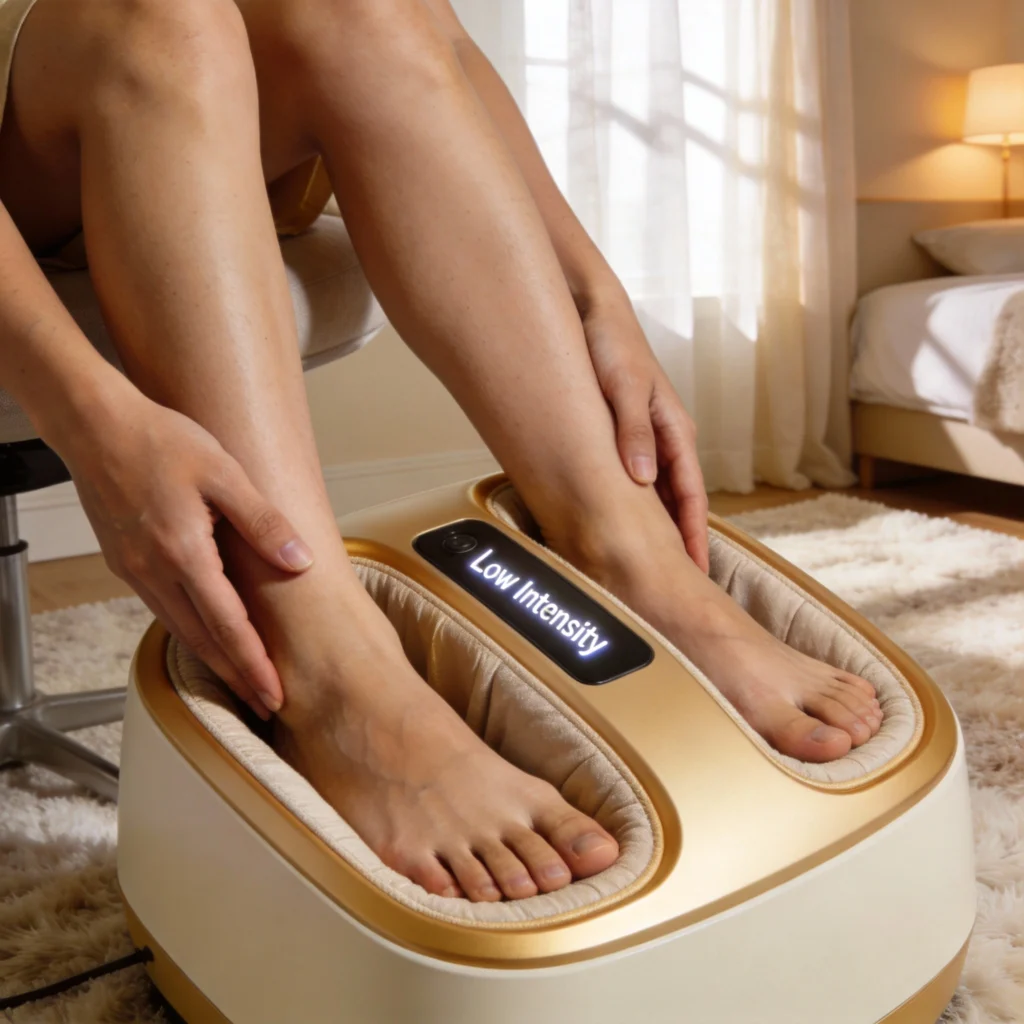
For people with neuropathy or very sensitive feet, a gentle, adjustable foot massager can offer a different kind of relief. Light pressure and soft kneading activate touch receptors that compete with pain signals, briefly turning down discomfort. Short, low-intensity sessions can gradually improve comfort and help the nervous system feel less reactive.

People with neuropathy or very sensitive feet often wonder if massage will help or hurt. Gentle, well‑controlled stimulation can sometimes reduce burning, tingling, and hypersensitivity by gradually retraining nerve pathways. However, intensity that feels pleasant to a healthy foot may be overwhelming or risky when sensation is impaired, especially in diabetic neuropathy, so medical guidance is crucial.

Gentle Stimulation and the Pain Gate Theory

Light pressure and vibration activate large‑diameter nerve fibers that carry non‑painful touch signals. These can “crowd out” some pain messages at the spinal cord level, a concept called the gate control theory. Using the lowest setting for 10 minutes, then slowly increasing as tolerated, helps you find a level that soothes without provoking sharp spikes of discomfort or lingering soreness afterward.

When to Avoid or Modify Foot Massage for Neuropathy

Neuropathy often reduces protective sensation, so you may not notice skin breakdown, blisters, or excessive heat. People with diabetes, ulcers, or advanced peripheral arterial disease should avoid intense kneading or strong compression without podiatrist approval. In many cases, a soft fabric‑covered massager, mild warmth under 38°C, and short sessions two to three times weekly are safer starting points than aggressive daily use.

4

Benefits of a Foot Massager for Plantar Fasciitis and Arch Pain

Plantar fasciitis causes sharp heel or arch pain, especially with first steps in the morning or after sitting. A foot massager can help by applying controlled pressure and rolling along the plantar fascia, which runs from heel to toes. This mechanical loading, when gentle and progressive, can improve tissue pliability and reduce the painful tug where the fascia attaches to the heel bone.

Benefits of a Foot Massager for Plantar Fasciitis and Arch Pain

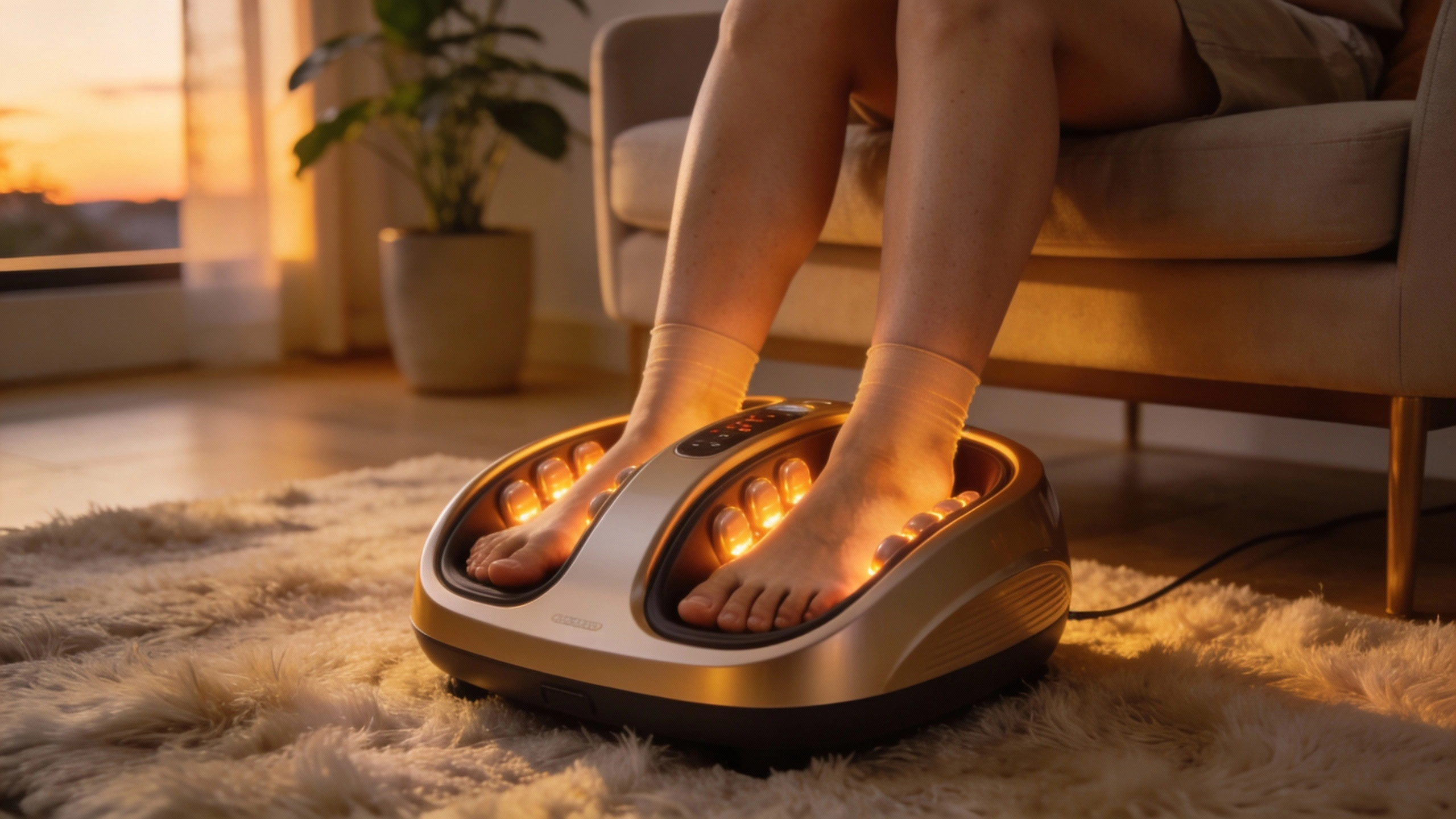
Circulation-focused foot massagers target the feet and ankles, where blood can pool after long periods of sitting or standing. Rhythmic compression and kneading help push fluid back toward the heart, which may ease mild swelling and heaviness. When paired with walking breaks and elevation, they support healthier blood flow over time.

Targeted Pressure for the Heel and Arch

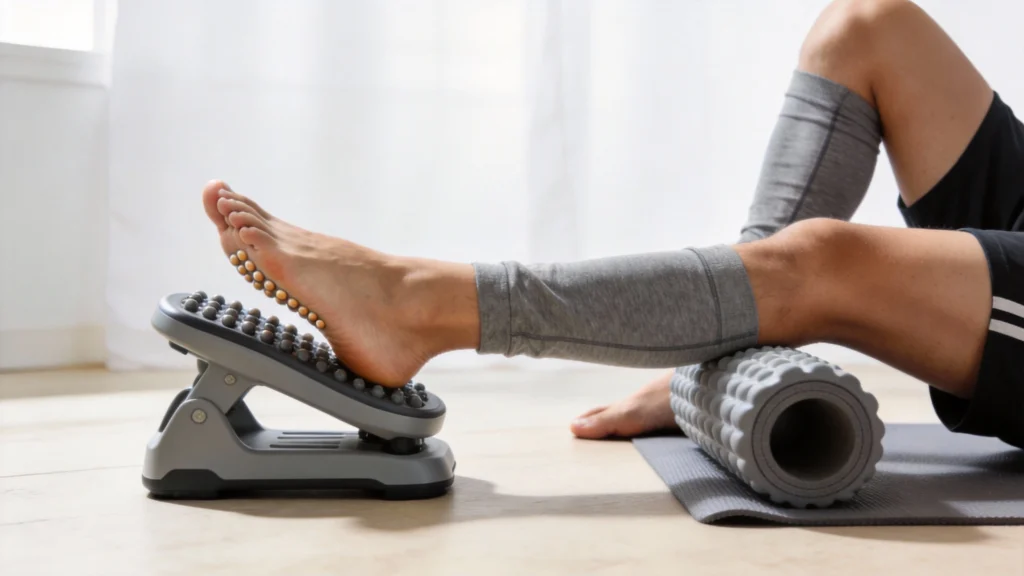
Devices with firm rollers, about 2–3 cm in diameter, can mimic the effect of a lacrosse ball under the arch. Slowly rolling the foot for 5–8 minutes, focusing on the medial arch rather than the bony heel, encourages blood flow and reduces stiffness. Pairing this with calf stretching, holding 30 seconds for three repetitions, often enhances relief by addressing the entire posterior chain.

  • Start on the lowest pressure and avoid sharp pain; aim for mild discomfort rated under 4 on a 0–10 scale.
  • Use massage after activity, not before first steps, to avoid aggravating already irritated morning tissue.
  • Combine with supportive footwear featuring 8–12 mm heel‑to‑toe drop and firm arch support for all‑day protection.
  • Limit focused plantar fascia sessions to 10–15 minutes, three to five days weekly, monitoring for next‑day soreness changes.
5

How an Ankle Massager Supports Joint Mobility and Recovery

An ankle massager focuses more on the joint capsule, surrounding ligaments, and lower Achilles tendon than the sole of the foot. By wrapping the ankle with adjustable compression and sometimes heat, it can reduce stiffness after sprains, long hikes, or high‑impact sports. This targeted care is especially useful for people whose ankles feel tight or unstable when returning to activity.

How an Ankle Massager Supports Joint Mobility and Recovery

Supporting Range of Motion and Post‑Activity Soreness

Gentle compression and warmth around 38–40°C can decrease joint viscosity, making it easier to perform ankle circles and alphabet exercises. Doing five minutes of massage followed by five minutes of controlled mobility drills encourages synovial fluid movement and ligament gliding. Over several weeks, this routine may improve dorsiflexion by a few degrees, which often translates into smoother squats and stair climbing.

Light Rehab Support After Minor Injuries

For grade I sprains, once cleared by a clinician, an ankle massager can complement rehab by reducing residual swelling and discomfort. Using short 10‑minute sessions, two times daily, alongside balance work on a foam pad helps retrain stabilizing muscles. However, aggressive compression that reproduces sharp pain or numbness signals overuse; in that case, intensity or duration should be reduced immediately.

6
air c leg massager

Benefits of a Foot Massager vs Full Air C Leg Massager Systems

Standalone foot devices and a full air c leg massager system both target circulation and recovery, but they serve slightly different needs. Foot‑only units focus on the soles, heels, and sometimes ankles, making them ideal for plantar fasciitis or desk‑bound workers. Full‑length air compression sleeves reach calves and thighs, more closely mimicking clinical pneumatic compression used for venous insufficiency or athletic recovery.

Benefits of a Foot Massager vs Full Air C Leg Massager Systems

Comparing Coverage, Pressure, and Typical Use Cases

Understanding the differences in coverage, pressure ranges, and cost helps you choose between a compact foot‑only device and a more comprehensive leg system. The table below compares common consumer options, highlighting how each approach supports circulation, swelling control, and muscle recovery in slightly different ways depending on your daily demands and health status.

Device TypeCoverage AreaTypical Pressure RangeApproximate Price (USD)Best For
Foot‑only massagerSoles, heels, lower ankles15–35 mmHg$70–$150Desk workers, plantar fasciitis, general relaxation
Ankle‑focused wrapAnkle joint, lower Achilles10–30 mmHg$50–$120Post‑sprain stiffness, light rehab, ankle soreness
Calf air c leg massagerFeet and calves20–50 mmHg$90–$200Heavy legs, mild edema, standing professions
Full‑length air c leg massagerFeet, calves, thighs30–60 mmHg$150–$350Athletic recovery, venous return support, extensive swelling
EMS foot circulation deviceFeet via pads or platformN/A (electrical pulses)$80–$220Neuropathy discomfort, low‑intensity muscle activation, seated users

Foot‑only devices are usually enough if your main complaints are sore soles or mild evening swelling. If your symptoms extend into the calves and thighs, or you have a history of varicose veins, a full air c leg massager may better support venous return. Always match pressure settings to your physician’s recommendations, especially when dealing with chronic vascular or clotting conditions.

7

Maximizing the Benefits of a Foot Massager Safely

To get the most from any foot or ankle massager, you need a simple, consistent routine rather than sporadic long sessions. Most people respond well to 10–20 minutes, one to two times daily, instead of occasional 40‑minute marathons that can irritate tissues. Integrating massage into existing habits, like evening reading or post‑workout cooldowns, makes adherence easier without feeling like another chore.

Maximizing the Benefits of a Foot Massager Safely

Safe Frequency, Intensity, and Complementary Habits

Start at the lowest intensity and increase only when you can complete a full session without lingering soreness or numbness. People with circulation issues, neuropathy, or diabetes should have a clinician help set safe limits on pressure and heat. Pair massage with calf stretching, ankle mobility drills, and short walking breaks to reinforce improved blood flow and tissue flexibility throughout the day.

Think of a foot massager as a recovery multiplier, not a standalone fix. When combined with supportive shoes, targeted exercises, and medical guidance, it can amplify small daily habits into meaningful changes in comfort, mobility, and energy, especially over several months of steady, low‑risk use.

Stop use immediately and seek medical advice if you notice increased swelling, skin discoloration, blisters, or worsening numbness. Clean fabric liners weekly and inspect your skin after sessions, particularly if you have reduced sensation. By respecting these boundaries and viewing the device as one tool among many, you can safely capture the relaxation, circulation, and pain‑relief benefits without unnecessary risk.

Face, Neck, Head, Body, Back & Foot Massager
For a Relaxing & Relieving Lifestyle
14-day money back guarantee
Lowest Prices: 365 Days Discount
Safe & Secure online payment
Contact Us

Massagers Mart © 2025. All Rights Reserved

Massagers Mart
Logo
Compare items
  • Total (0)
Compare
0
Shopping cart