Best Knee Massager for Knee Pain and Arthritis Relief

Persistent knee pain from arthritis or old injuries can quietly shrink your world, limiting walks, workouts, and even sleep. At-home knee massagers now combine heat, vibration, and compression to mimic parts of a physical therapy session, giving many users daily relief without constant clinic visits or pain pills.

Choosing the best knee massager means matching its technology and settings to your specific knee pain pattern, rather than just buying the most expensive device. People with osteoarthritis, meniscus tears, or post-surgery stiffness respond differently to heat, vibration, and air compression. Understanding how each mechanism works helps you avoid wasted money and disappointing results.

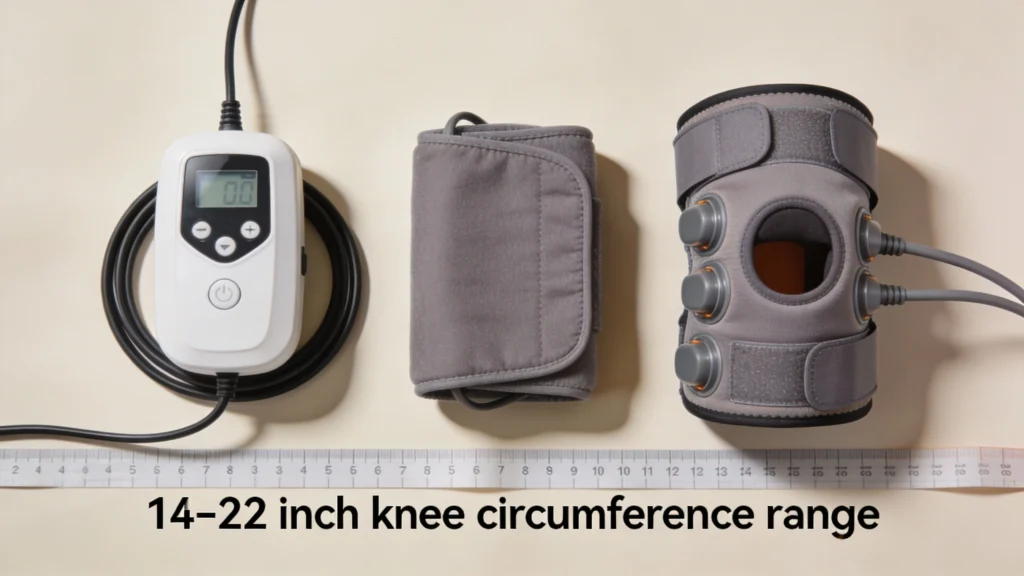
The right device should offer adjustable intensity, temperature control, and a secure fit around 14–22 inch knee circumferences, not just one-size-fits-all straps. When these elements are tuned correctly, many users report noticeable comfort improvements within 10–20 minutes. However, knee massagers are supportive tools, not miracle cures, and work best alongside exercise, weight management, and medical guidance.

Before investing, it’s worth comparing arthritis-focused models against sports recovery units, checking evidence-backed features, and learning safe usage routines. This guide breaks down how the best knee massager can support joint health, which features truly matter, and how to integrate sessions into a long-term knee pain management plan.

1
best knee massager

How a Best Knee Massager Helps with Knee Pain and Arthritis

How a Best Knee Massager Helps with Knee Pain and Arthritis

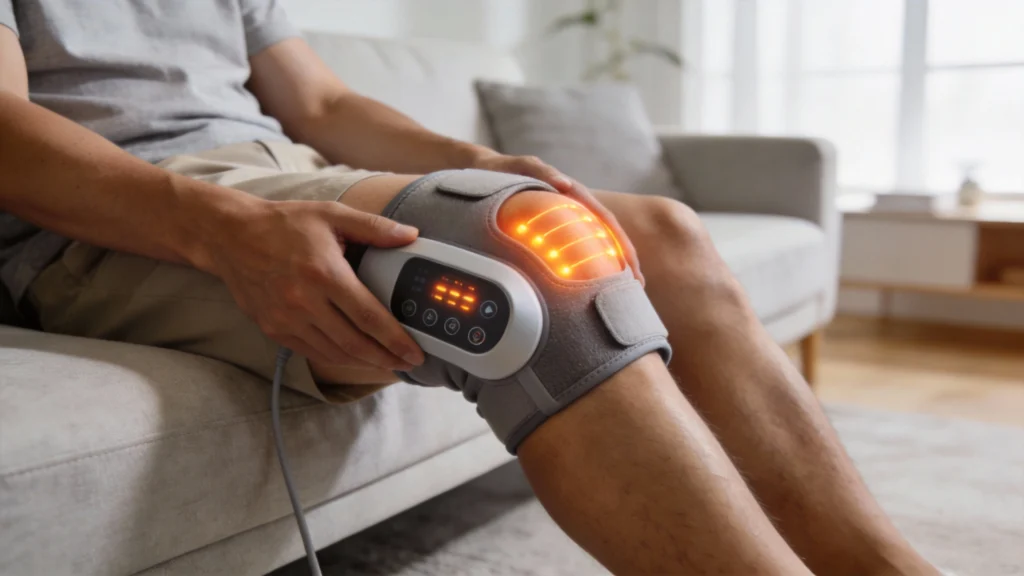
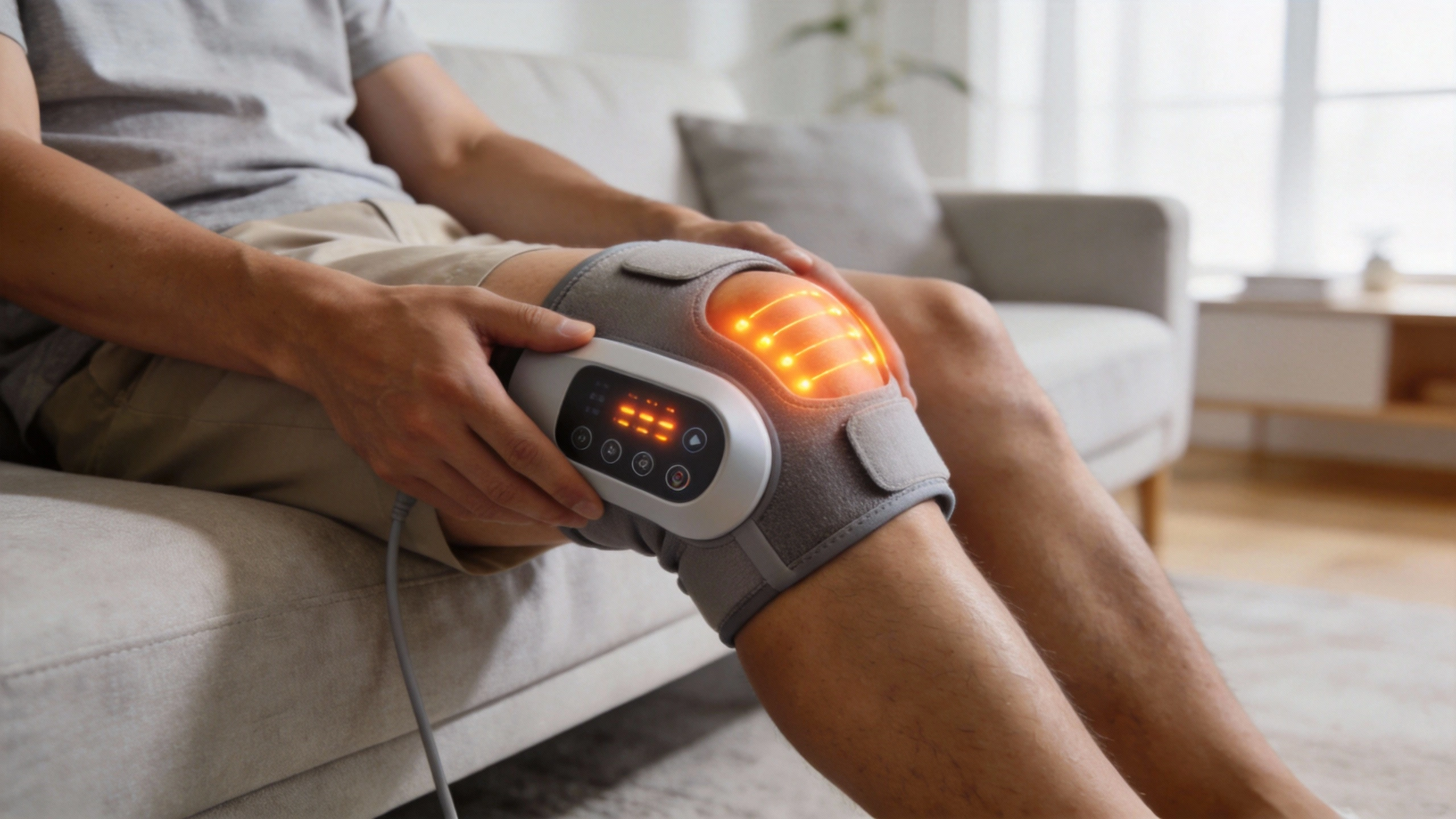
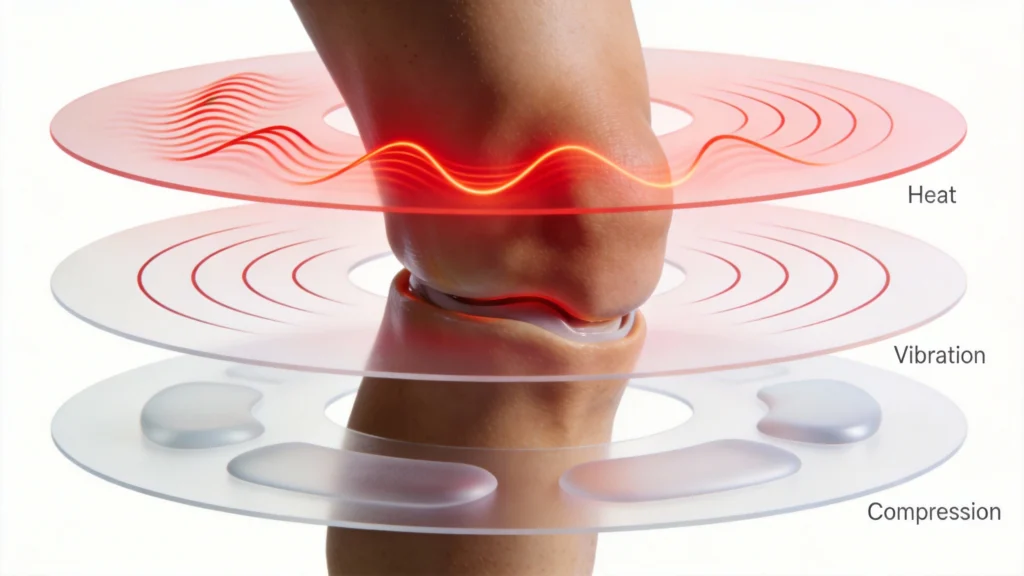
Understanding how a knee massager interacts with the joint makes it easier to choose the right device. Heat can improve circulation around arthritic cartilage, while gentle vibration may reduce pain signals. Added air compression can support the joint capsule, helping people with osteoarthritis or old injuries feel more stable and less reactive to everyday movements.

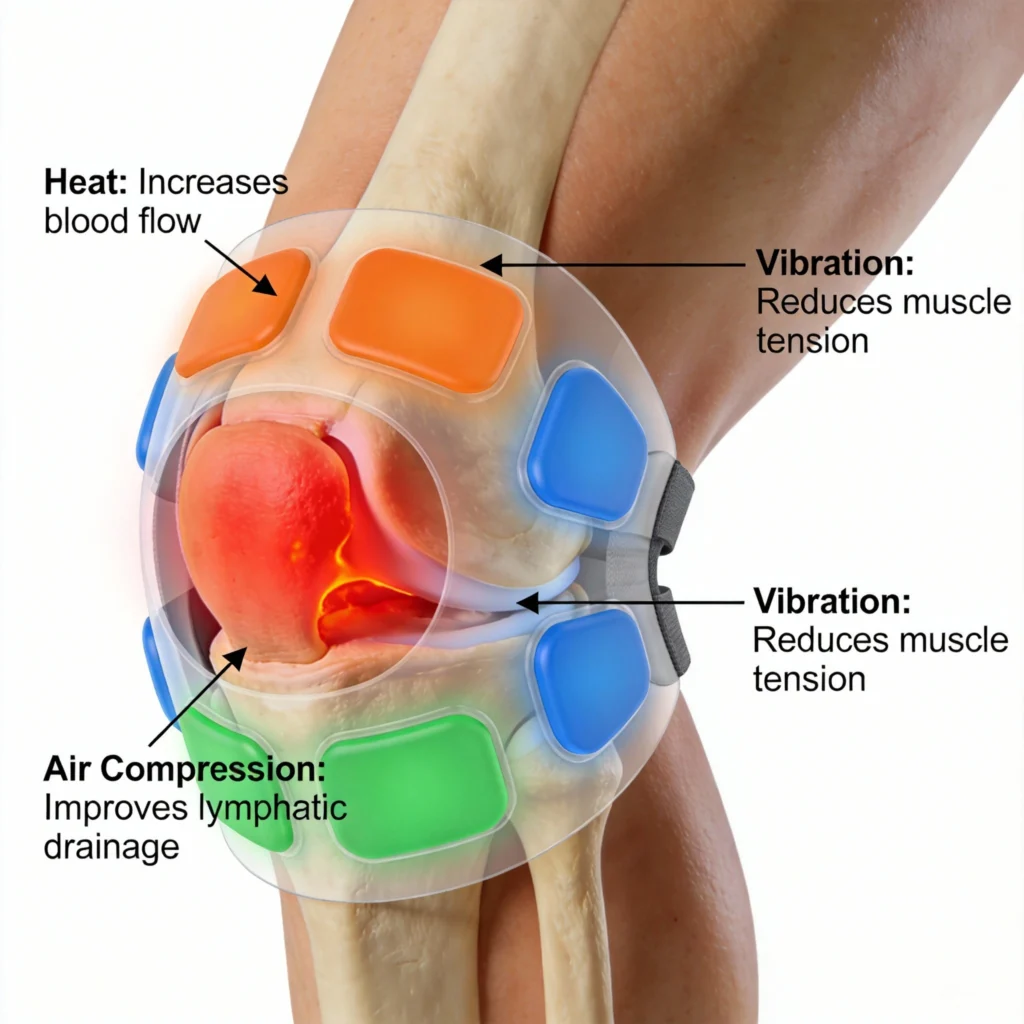
Knee massagers target three main mechanisms—heat, vibration, and compression—to influence blood flow, pain signaling, and joint stiffness. For arthritis, low to moderate heat around 40–45°C can improve synovial fluid viscosity, making movement smoother. Vibration between 30–60 Hz may disrupt pain signals, while rhythmic compression helps move fluid out of swollen tissues, reducing that tight, balloon-like feeling.

Mechanisms Behind Pain Relief

Heat therapy dilates local blood vessels, increasing circulation by up to 25–30% in superficial tissues, which can accelerate removal of inflammatory byproducts. Vibration stimulates mechanoreceptors in the skin and muscles, competing with nociceptors that transmit pain, a principle known as the gate control theory. Compression cycles, often 20–60 mmHg, gently squeeze and release tissues, encouraging lymphatic drainage and reducing morning stiffness.

Benefits for Different Knee Conditions

For osteoarthritis, consistent use of a knee massager can reduce perceived pain scores by one to two points on a 0–10 scale for some users, especially when combined with strengthening exercises. Those with patellofemoral pain or runner’s knee may benefit more from vibration and moderate compression to calm irritated soft tissues. Post-surgical patients often use lower heat and gentle compression under medical supervision to avoid interfering with healing.
2

Key Features to Look for in the Best Knee Massager for Knee Pain

When searching for the best knee massager, focus on features that allow precise control rather than flashy marketing terms. Adjustable heat with at least three levels, typically 38°C, 42°C, and 45°C, lets you adapt to flare days versus milder discomfort. Multiple massage modes combining vibration patterns and compression cycles help you switch between relaxation and more intensive recovery-focused sessions.

Key Features to Look for in the Best Knee Massager for Knee Pain

Most advanced knee massagers combine heat, vibration, and compression, but you do not need maximum intensity in every mode. Gentle warmth can loosen stiff tissues, while low-frequency vibration soothes sore muscles. Rhythmic air compression mimics a massage, encouraging fluid movement. Experimenting with each layer separately helps you find the combination your knees tolerate best.

Core Specifications That Actually Matter

Fit is critical: look for wrap designs that accommodate 14–22 inch thigh or knee circumferences with strong Velcro or buckle systems, so the unit doesn’t slide during movement. Battery-powered models should provide at least 90 minutes of runtime at medium settings to cover two to three sessions between charges. Quiet motors under 50 dB allow use while watching TV without constant humming.

Comfort and Safety Considerations

Safety features like automatic shutoff after 15–20 minutes reduce overheating risk, especially important for users with reduced sensation from neuropathy. Overheat protection sensors cut power if internal temperatures exceed safe thresholds, usually around 50°C. Soft, breathable materials such as neoprene with mesh panels help prevent sweating and skin irritation when using the device daily for chronic knee pain management.

3
knee massager for arthritis

Choosing the Best Knee Massager for Arthritis vs Sports Knee Pain

Choosing the Best Knee Massager for Arthritis vs Sports Knee Pain

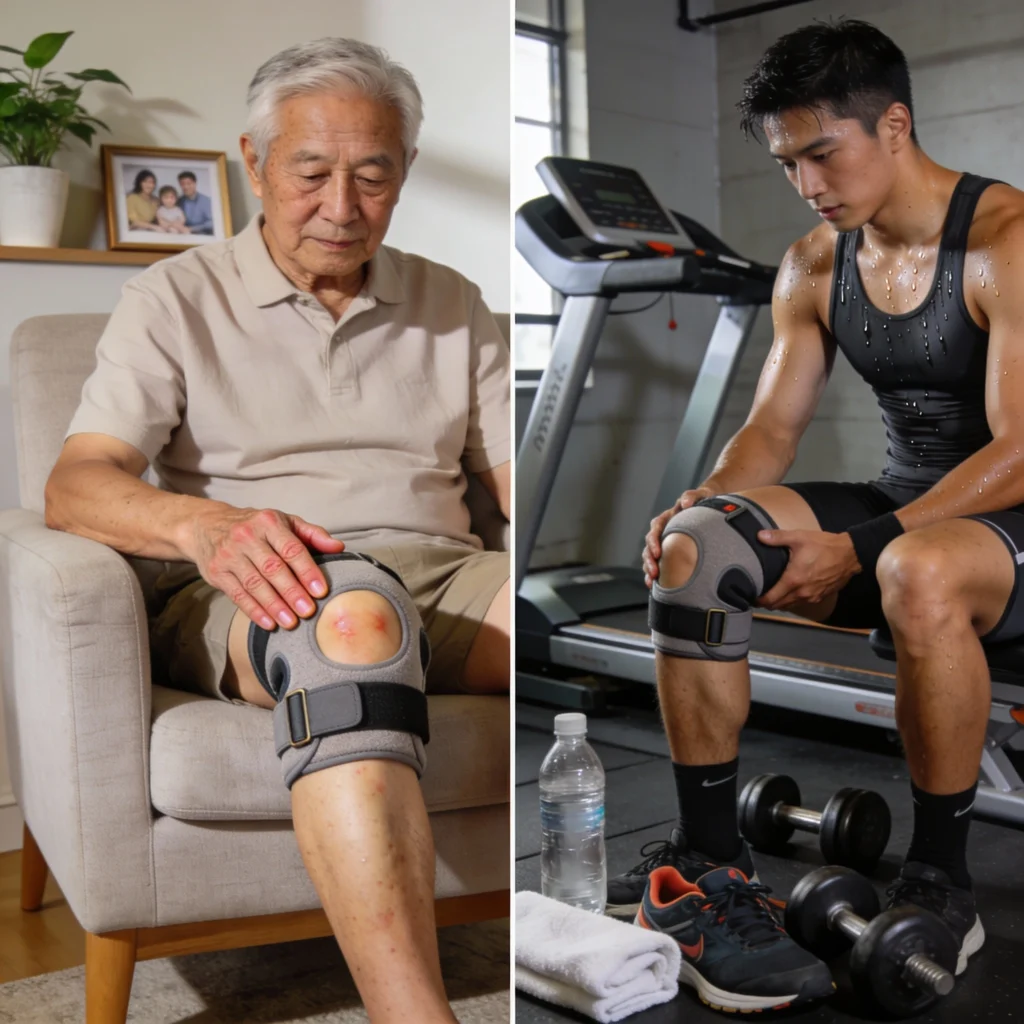
People with arthritis often need steady, gentle heat and mild compression, while athletes recovering from sports knee pain may prefer stronger vibration and pulsing compression after training. Matching the device’s settings to your situation—chronic stiffness versus post-exercise soreness—helps you avoid irritation and get more consistent relief from the same type of knee massager.

Arthritis-related knee pain usually involves chronic inflammation, cartilage wear, and morning stiffness, while sports knee pain often stems from acute overload, tendon irritation, or minor ligament strains. Because of these differences, the best knee massager for arthritis emphasizes gentle, sustained warmth and moderate compression, whereas athletes may want stronger vibration and more aggressive recovery modes after intense training sessions.

Arthritis-Focused Knee Massagers

Arthritis users often benefit from devices prioritizing comfort and joint nourishment, with wide heat coverage around the patella and joint line. They typically use lower vibration intensities to avoid aggravating sensitive tissues, focusing instead on 15–20 minute heat sessions twice daily. Many appreciate intuitive one-button controls and large displays, as hand stiffness or reduced dexterity can make tiny buttons frustrating.

For moderate osteoarthritis, clinicians frequently recommend heat-based knee massagers as part of a multimodal approach, pairing them with low-impact exercise and weight management rather than relying solely on pain medication.

Sports and Performance-Oriented Devices

Athletes with jumper’s knee or post-squat soreness often choose devices offering stronger vibration levels and tighter compression bands. They may run 10–15 minute sessions immediately after training to reduce delayed onset muscle soreness and joint congestion. Some sports-focused models integrate with apps, tracking session time and intensity to coordinate with broader recovery plans that include foam rolling and stretching.

4

Heat, Vibration, and Compression in the Best Knee Massager for Arthritis

Each therapy mode in a knee massager plays a distinct role, and arthritis sufferers rarely need maximum intensity on all three simultaneously. Heat typically serves as the foundation, loosening tissues and easing stiffness before movement. Vibration and compression can then be layered in carefully, depending on pain sensitivity, swelling level, and whether the knee is currently flared or relatively calm.

Heat, Vibration, and Compression in the Best Knee Massager for Arthritis

Key features matter more than price when comparing knee massagers. Look for adjustable temperature, multiple vibration levels, and air compression settings you can fine-tune. A secure wrap that fits roughly 14–22 inch knee circumferences prevents slipping and cold spots, ensuring the therapeutic elements stay in contact with the areas that actually hurt.

Comparing Therapy Modes for Arthritis Relief

Heat around 40–42°C is usually well tolerated for osteoarthritis and can be used daily, while higher temperatures may irritate inflamed joints. Low-frequency vibration, roughly 20–40 Hz, often feels soothing, whereas high-frequency modes can feel jarring. Compression pressures between 20–40 mmHg are generally comfortable; stronger squeezes may be reserved for short periods when swelling is prominent and skin integrity is good.

Example Therapy Combinations

Many arthritis users start with heat-only sessions for 10 minutes, then add gentle vibration on alternate days to gauge tolerance. During flare-ups, they might rely solely on mild warmth and minimal compression to avoid provoking pain. On better days, combining moderate heat with low compression for 15 minutes before walking can reduce start-up pain and improve confidence stepping off curbs or climbing stairs.

5
knee pain management

Best Knee Massager Settings for Chronic Knee Pain Management

Dialing in the right settings on your knee massager is similar to adjusting a long-term medication dose: consistency and gradual changes matter more than chasing instant results. For chronic knee pain, most people respond better to shorter, regular sessions—around 10–20 minutes—performed once or twice daily, rather than occasional marathon treatments that may leave the joint feeling irritated.

Best Knee Massager Settings for Chronic Knee Pain Management

Recommended Session Length and Frequency

Many clinicians suggest starting with a single 10-minute session at low heat and minimal vibration to test skin response and pain levels. If tolerated, users can increase to 15–20 minutes twice daily, spaced at least six hours apart. Morning sessions help reduce stiffness before activity, while evening sessions can calm aching knees after standing or walking throughout the day.

Practical Intensity Guidelines

On a three-level heat scale, most chronic pain users stay at level one or two, reserving level three for very short intervals. Vibration intensity should remain comfortable enough that you could hold a conversation without wincing; pain above 3–4 on a 0–10 scale signals the setting is too high. Compression bands should feel snug but never cause numbness, tingling, or color changes in the skin below the knee.

6

How to Use a Knee Massager Safely with Arthritis and Other Conditions

How to Use a Knee Massager Safely with Arthritis and Other Conditions

Safety becomes especially important when using a knee massager alongside conditions like diabetes, peripheral neuropathy, deep vein thrombosis history, or recent surgery. Because these issues affect circulation and sensation, aggressive heat or compression can cause harm before you feel obvious discomfort. A brief conversation with your physician or physical therapist can clarify whether home knee massage is appropriate for your situation.

Contraindications and Red Flags

You should generally avoid knee massagers directly over fresh surgical incisions, open wounds, or unhealed fractures, as increased blood flow could disrupt early healing. People with active deep vein thrombosis or severe peripheral arterial disease risk dislodging clots or worsening ischemia with compression. Stop using the device immediately if you notice increased swelling, skin blistering, new numbness, or pain that lingers more than two hours after a session.

  • Consult a clinician first if you have diabetes, neuropathy, blood clot history, or knee replacement within 12 months.
  • Always place the massager over thin clothing, not bare skin, to reduce burn and irritation risk during longer sessions.
  • Limit early sessions to 10 minutes, low heat, and minimal vibration until you understand your knee’s response patterns.
  • Avoid sleeping with the device on, relying instead on built-in 15–20 minute automatic shutoff timers for safety.
7
knee massagers

Comparing At-Home Knee Massagers to In-Clinic Knee Pain Treatments

At-home knee massagers can feel similar to a simplified physical therapy modality, but they don’t replace targeted clinical care. In clinics, therapists combine manual techniques, supervised exercises, and advanced tools like ultrasound or shockwave therapy, tailored to imaging and functional tests. Home devices instead offer convenient, repeatable heat and compression, bridging the gap between appointments and daily life demands.

Comparing At-Home Knee Massagers to In-Clinic Knee Pain Treatments

Home Devices vs Professional Modalities

Understanding realistic differences helps you set appropriate expectations and budget for both options. The table below compares typical features, costs, and time commitments between home knee massagers and common in-clinic treatments. Numbers are approximate and can vary widely by region, insurance coverage, and device brand or model.

Treatment TypeTypical Cost (USD)Session LengthFrequencyMain Benefits
Home Knee Massager$80–$220 one-time10–20 minutesDaily or twice dailyConvenient heat, vibration, compression for ongoing symptom relief
Physical Therapy Visit$60–$150 per session30–60 minutes1–3 times weeklyPersonalized exercise, manual therapy, gait and strength training
Ultrasound TherapyIncluded in PT cost5–10 minutes1–2 times weeklyDeep tissue heating for tendon and ligament irritation
Corticosteroid Injection$150–$400 per shot10–15 minutesEvery 3–6 monthsShort-term inflammation and pain reduction inside the joint
Hyaluronic Acid Injection$300–$800 per series15–20 minutesYearly or as advisedImproved joint lubrication and shock absorption for osteoarthritis

Most people use knee massagers as adjuncts, not alternatives, to medical care—especially when arthritis is moderate to severe. A reasonable strategy is to complete an initial round of physical therapy to learn strengthening and mobility exercises, then integrate daily home massage for comfort. This combination often reduces flare intensity, improves walking tolerance, and may delay more invasive interventions like injections or surgery.

8

Maintenance and Longevity Tips for Your Best Knee Massager

Maintenance and Longevity Tips for Your Best Knee Massager

Proper care keeps your best knee massager performing consistently and reduces the risk of malfunction just when your knees need it most. Because these devices combine electronics, heating elements, and fabric wraps, they’re vulnerable to sweat, dust, and cable strain. A simple weekly maintenance routine can extend lifespan from an average of two years to three or more with regular use.

Cleaning and Storage Practices

After each use, unplug the device and let it cool fully before wiping it with a slightly damp cloth and mild soap solution. Avoid soaking any components, as moisture can corrode internal wiring or damage heating pads. Store the massager flat or gently rolled in a dry area between 10–25°C, rather than cramming it into tight drawers that stress hinges and cables.

  • Inspect Velcro straps monthly, trimming loose threads and removing lint so they maintain grip around the knee joint.
  • Check power cords for kinks or exposed wiring, replacing them immediately if you notice fraying or intermittent charging.
  • Use a surge protector when charging to protect internal circuits from voltage spikes during storms or grid fluctuations.
  • Avoid using harsh cleaners or alcohol wipes on control panels, which can cloud displays and degrade button responsiveness.

Many manufacturers recommend limiting continuous operation to two back-to-back cycles, then resting the device 30 minutes to prevent overheating components. Registering your product and keeping receipts makes warranty claims easier if the motor weakens or heat output drops suddenly within the first 12–24 months. Treating the massager as medical equipment, not just a gadget, helps ensure reliable relief over the long term.

Face, Neck, Head, Body, Back & Foot Massager
For a Relaxing & Relieving Lifestyle
14-day money back guarantee
Lowest Prices: 365 Days Discount
Safe & Secure online payment
Contact Us

Massagers Mart © 2025. All Rights Reserved

Massagers Mart
Logo
Compare items
  • Total (0)
Compare
0
Shopping cart