

Deep Tissue Massage Therapy: A Complete Guide to A Deep Tissue Massage

Persistent knots in your shoulders, a stiff lower back, or post-workout soreness can make everyday tasks feel heavier than they should. Deep tissue massage therapy targets these stubborn problem areas using slow, focused pressure to release tension that lighter techniques often miss, giving many people measurable relief after just one or two sessions.

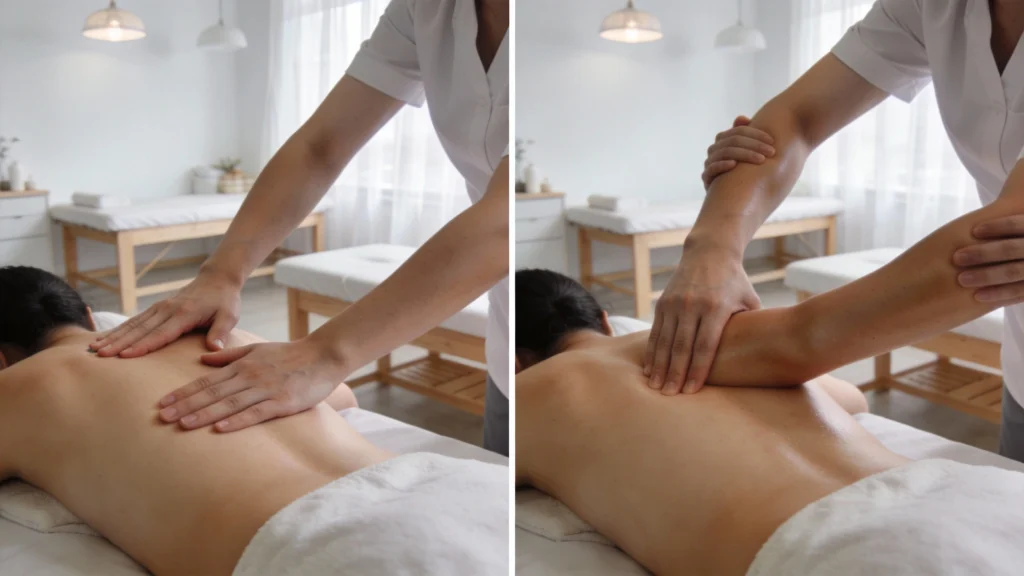
Deep tissue massage therapy is a form of therapeutic massage designed to reach deeper layers of muscles and connective tissue. Instead of broad, light strokes, therapists apply sustained pressure using elbows, forearms, and knuckles to work through adhesions and trigger points. This approach helps people with chronic neck pain, sciatica, or old sports injuries that haven’t responded well to general massage therapy or stretching alone.

During a deep tissue massage, the therapist follows the direction of muscle fibers, often moving slowly at around 1–2 centimeters per second. This deliberate pace allows tissues time to respond, reducing reflexive guarding and discomfort. Sessions usually last 60–90 minutes, with at least half the time spent on two or three priority areas rather than the entire body, making the treatment more targeted and efficient for complex pain patterns.

For many first-timers, deep tissue massage feels more intense than a spa-style treatment, but it should never feel unsafe or unbearable. Clear communication about pressure levels, medical history, and daily activities allows the therapist to adapt techniques. When combined with home stretching, hydration, and posture changes, a series of sessions can significantly improve mobility, sleep quality, and overall comfort over several weeks.

1
deep tissue massage therapy

What Is Deep Tissue Massage Therapy and How Does A Deep Tissue Massage Work?

What Is Deep Tissue Massage Therapy and How Does A Deep Tissue Massage Work?

During a deep tissue massage, the therapist uses slow, targeted strokes to sink gradually into the muscle layers rather than gliding lightly over the surface. By following the direction of muscle fibers and pausing on tight spots, they can release adhesions and trigger points that contribute to chronic pain and restricted movement.

Deep tissue massage therapy focuses on correcting chronic tension patterns rather than simply providing short-term relaxation. Therapists use slow, firm strokes along muscle fibers and sustained pressure on specific points to break down adhesions within fascia and muscle tissue. These adhesions can restrict movement by several degrees in a single joint, contributing to recurring pain during daily activities like sitting or lifting.

Techniques Used in Deep Tissue Massage Therapy

Therapists often begin with lighter effleurage strokes to warm tissues to approximately 38–40°C, which increases local blood flow by up to 20%. Once muscles soften, they use techniques like cross-fiber friction, stripping along muscle length, and ischemic compression on trigger points. Pressure is usually measured subjectively on a 1–10 scale, with ideal therapeutic intensity staying between 6 and 8.

How Deep Tissue Massage Affects Muscles and Fascia

When sustained pressure is applied for 30–90 seconds, mechanoreceptors in fascia signal the nervous system to reduce muscle tone. This can decrease resting tension by several percentage points, enough to change posture or gait patterns. Increased circulation helps clear metabolic byproducts like lactate, while gentle micro-stretching of collagen fibers improves tissue glide, which often translates into smoother, less painful movement during walking or bending.


2
deep tissue massage

Key Benefits of A Deep Tissue Massage for Pain, Posture, and Mobility

Deep tissue massage therapy offers benefits that go beyond feeling temporarily looser. By targeting chronically shortened muscles and thickened fascia, it can alter how your body distributes load through joints, reducing strain on structures like lumbar discs or the rotator cuff. Many clients report noticeable improvements in pain scores, sometimes dropping from 7/10 to 3/10 after several consistent sessions.

Key Benefits of A Deep Tissue Massage for Pain, Posture, and Mobility

Although deep tissue massage is highly effective for many people, it isn’t right for everyone. Individuals with certain medical conditions, recent injuries, bruising, or pregnancy may need lighter techniques or medical clearance. An honest discussion with your therapist about health history and current symptoms helps ensure the safest, most appropriate treatment plan.

Pain Relief and Postural Improvement

Chronic desk workers often develop forward head posture, where the head shifts 2–4 centimeters in front of the shoulders, increasing neck load dramatically. Deep tissue massage addresses tight pectorals, upper trapezius, and suboccipital muscles that reinforce this pattern. By releasing these areas, it becomes easier to maintain neutral alignment, which can decrease daily neck and shoulder pain by reducing constant muscular overwork.

Enhanced Mobility and Functional Performance

Limited hip rotation or shoulder flexion can shave several degrees off your available range, making squats, overhead reaches, or running strides inefficient. Deep tissue work on hip rotators, hamstrings, or latissimus dorsi improves tissue extensibility, allowing joints to move through fuller arcs. Over a 4–6 week period, this can translate into deeper squats, smoother running mechanics, and fewer compensatory movements that previously triggered pain or fatigue.

3
massage therapy

Deep Tissue Massage Therapy vs. Swedish and Relaxation Massage

Deep Tissue Massage Therapy vs. Swedish and Relaxation Massage

Deep tissue massage can benefit people with desk-related neck and shoulder tension, athletes managing repetitive strain, and older adults dealing with long-standing stiffness. By addressing underlying muscle imbalances and tight connective tissue, it can complement physical therapy, stretching, and exercise to support better posture, improved mobility, and more comfortable daily movement.

Although both deep tissue massage therapy and Swedish massage involve hands-on work with oils or lotions, their goals and methods differ significantly. Swedish or relaxation massage prioritizes nervous system calming using lighter pressure and rhythmic strokes. Deep tissue, by contrast, intentionally seeks out discomfort in restricted areas to create lasting structural change rather than only temporary relaxation or stress reduction.

Comparing Pressure, Goals, and Outcomes

Swedish massage typically uses pressure in the 3–5 range on a 1–10 scale, focusing on overall comfort and circulation. Deep tissue often reaches 6–8, aiming to change tissue density and break down adhesions. Relaxation sessions cover the whole body evenly, while deep tissue may spend 30–40 minutes on just the neck and shoulders. This targeted approach makes it better suited for chronic pain or sports rehabilitation.

When to Choose Each Massage Style

If you’re recovering from a stressful week with no specific pain, Swedish massage can reduce cortisol levels by up to 30% and improve sleep. When dealing with chronic lower back tightness, post-injury stiffness, or recurring headaches linked to muscle tension, deep tissue massage is more appropriate. Many people alternate both styles monthly, using Swedish for general stress relief and deep tissue for focused therapeutic goals.

4

Who Should Consider A Deep Tissue Massage (and Who Should Avoid It)

Deep tissue massage therapy can be highly beneficial for people with chronic muscle tension, long-standing postural problems, or sports-related overuse injuries. However, because it applies sustained, sometimes intense pressure, it is not appropriate for everyone. Understanding when it is indicated—and when it could cause harm—helps you make safer decisions before booking a session.

Who Should Consider A Deep Tissue Massage (and Who Should Avoid It)

Unlike Swedish or relaxation massage, which uses broad, flowing strokes to calm the nervous system, deep tissue massage emphasizes slower, more concentrated pressure. This difference in technique makes deep tissue especially useful for chronic pain, postural strain, and old injuries, while Swedish massage is often better suited for general stress relief and relaxation.

Ideal Candidates and When to Consult a Professional

People with chronic neck pain, IT band tightness, plantar fasciitis, or old sprains often respond well to deep tissue work. Athletes training more than four times weekly may also benefit from targeted sessions to prevent overuse injuries. Anyone with complex medical histories, such as recent surgery within six months, should discuss massage therapy with their physician or physical therapist first.

Contraindications and Safety Considerations

Certain conditions make deep tissue massage risky, including uncontrolled hypertension, severe osteoporosis, or active blood clots. People taking blood thinners like warfarin may bruise easily under strong pressure. Areas with open wounds, skin infections, or recent fractures must be avoided entirely. Pregnant clients, especially in the first trimester, generally require modified, gentler techniques rather than traditional deep tissue approaches.

5

What to Expect During Your First Deep Tissue Massage Therapy Session

Your first deep tissue massage therapy session usually begins with a detailed intake, lasting 5–10 minutes, where the therapist reviews your health history, medications, and primary complaints. They may ask you to rate your pain on a 0–10 scale, identify aggravating activities, and describe previous treatments. This conversation guides which areas receive focused work and how intense the pressure should be.

What to Expect During Your First Deep Tissue Massage Therapy Session

Session Flow, Communication, and Comfort

After intake, you’ll be shown how to position yourself on the table, often starting face down to address the back and legs. The therapist warms tissues with lighter strokes before gradually increasing pressure. You should communicate if pain exceeds about 7/10 or causes breath-holding. Mild discomfort is expected, but sharp or radiating pain suggests the need to immediately adjust technique or location.

Clear, ongoing feedback during your first session is the single most effective way to prevent excessive soreness and ensure therapeutic, not overwhelming, intensity.

Normal Reactions During and After Treatment

During the massage, you might feel referred sensations, such as pressure on the gluteal muscles creating tingling down the leg, which often indicates trigger point involvement. Afterward, mild soreness similar to a moderate workout can last 24–48 hours. Drinking extra water, around 500–750 milliliters, and performing gentle stretching usually helps reduce this soreness and speeds the recovery process.

6

How Often Should You Get A Deep Tissue Massage for Lasting Results?

The ideal frequency for deep tissue massage therapy depends on your goals, pain severity, and activity level. Someone with acute flare-ups may benefit from weekly sessions for three to four weeks, while a recreational runner might maintain results with treatments every three to four weeks. Spacing sessions correctly allows tissues to adapt while preventing unnecessary irritation or financial strain.

How Often Should You Get A Deep Tissue Massage for Lasting Results?

Recommended Schedules for Different Conditions

For chronic conditions like long-term lower back pain, many therapists suggest an initial series of four to six sessions, scheduled every 7–10 days. This schedule provides enough cumulative input to change muscle tone and movement habits. Once symptoms stabilize, visits can be reduced to every four to six weeks. Athletes in intense training cycles often plan treatments around key workouts or competitions.

Sample Frequency Guide and Cost Considerations

Because deep tissue massage is more intensive, over-treating can cause lingering soreness instead of improvement. Most people notice meaningful changes within the first three sessions when frequency is appropriate. Budget also plays a role, as 60-minute sessions in many cities range from $80 to $140. Planning a realistic schedule you can maintain often produces better long-term outcomes than short bursts of very frequent visits.

Client TypeTypical FrequencySession LengthApprox. Monthly Cost (USD)
Office worker with neck painEvery 2 weeks60 minutes$160–$260
Endurance athlete in trainingEvery 1–2 weeks60–90 minutes$200–$420
Chronic low back painWeekly initial month60 minutes$320–$560
General wellness clientEvery 4 weeks60 minutes$80–$140
Post-injury rehabilitationEvery 7–10 days60 minutes$240–$420

Use these ranges as starting points rather than rigid rules. Track changes in pain scores, sleep quality, and functional tasks like sitting tolerance or running distance. If improvements plateau, you may adjust frequency, combine massage therapy with physical therapy or strength training, or shift focus from symptom relief toward long-term maintenance and prevention strategies.

7

Maximizing the Results of Deep Tissue Massage Therapy at Home

What you do between sessions often determines how long your deep tissue massage benefits last. Supporting the work with hydration, movement, and self-care can extend relief from a few days to several weeks. Simple daily habits, done consistently, help tissues maintain improved length and glide rather than reverting to their previous, painful patterns.

Maximizing the Results of Deep Tissue Massage Therapy at Home

Home Strategies to Support Therapeutic Massage

Within the first 24 hours after a session, gentle activity like a 15–20 minute walk keeps circulation high without overloading recovering tissues. Applying a warm pack for 10–15 minutes can ease residual soreness. Over the longer term, combining targeted stretches and strengthening exercises helps reinforce new alignment and movement patterns created by your therapeutic massage sessions.

  • Drink 500–750 milliliters of water after sessions to support circulation and metabolic waste clearance from treated tissues.
  • Perform 5–10 minutes of stretching, focusing on areas treated, holding each stretch for 20–30 seconds.
  • Use a foam roller or massage ball for 5 minutes daily on common trigger zones like calves, glutes, or upper back.
  • Set a timer to stand and move every 45–60 minutes if you sit at a desk for more than six hours.
  • Incorporate two weekly strength sessions targeting hips, core, and upper back to stabilize posture changes from massage.

Consistently combining deep tissue massage with these home strategies transforms it from an occasional relief tool into part of a broader rehabilitation plan. Over several months, clients often notice not only reduced pain but also increased confidence in movement, better exercise tolerance, and fewer flare-ups triggered by long workdays or intense workouts.

Face, Neck, Head, Body, Back & Foot Massager
For a Relaxing & Relieving Lifestyle
14-day money back guarantee
Lowest Prices: 365 Days Discount
Safe & Secure online payment
Contact Us

Massagers Mart © 2025. All Rights Reserved

Massagers Mart
Logo
Compare items
  • Total (0)
Compare
0
Shopping cart