Alexandria Massage Therapy: Comparing the Best Local Therapeutic Options

Alexandria’s massage therapy scene is crowded with clinics, spas, and solo practitioners, all promising relief and relaxation. Without a clear framework, it’s easy to choose based on price or décor instead of therapeutic results. Comparing modalities, credentials, and environments helps you align every session with measurable health goals.

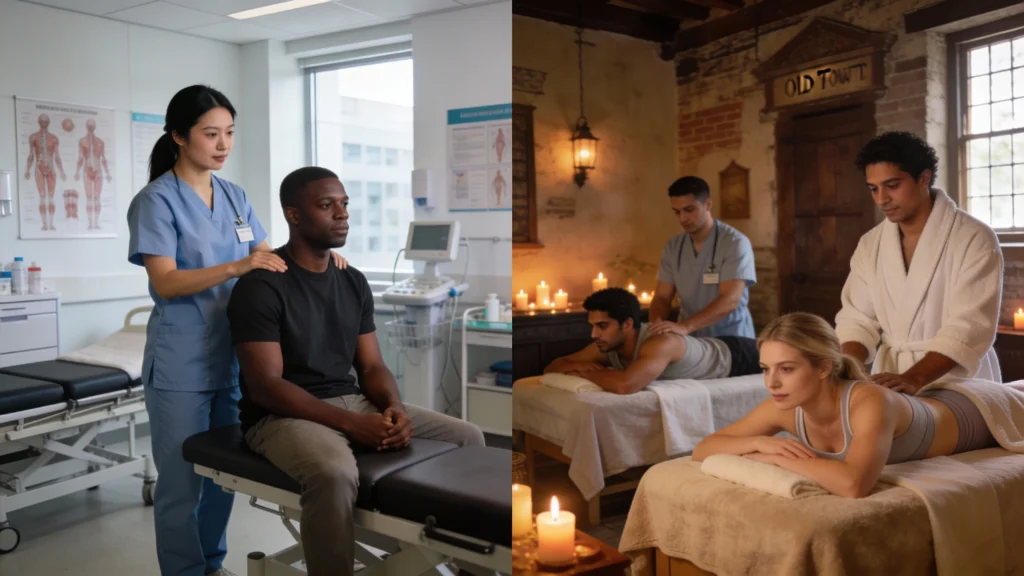
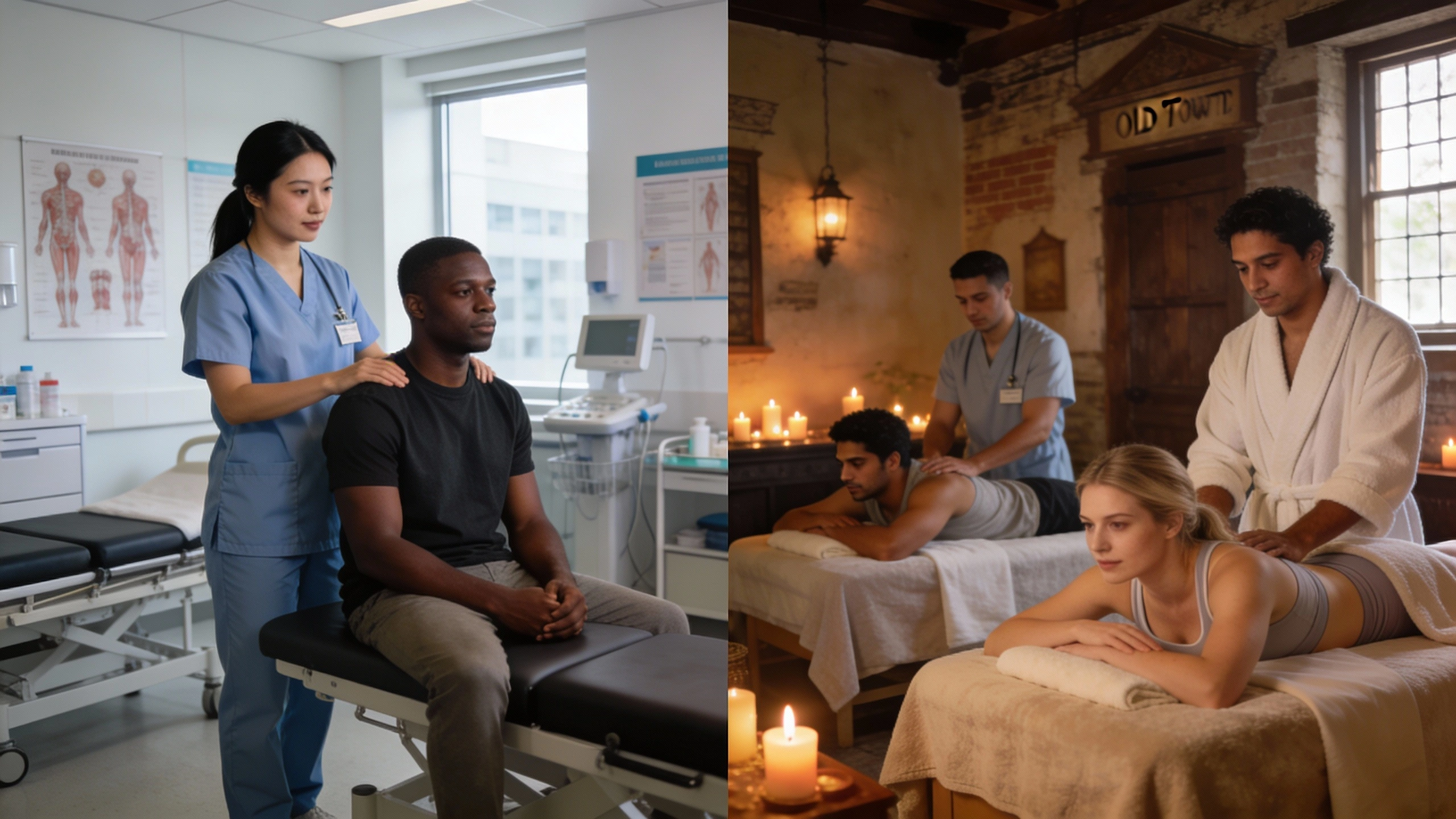
When you search for Alexandria massage therapy, you’ll see everything from medical-style treatment rooms near Inova Alexandria Hospital to candlelit spa suites in Old Town. Rather than chasing the cheapest introductory offer, start by defining one primary goal: pain relief, mobility, stress reduction, sleep support, or athletic performance. That goal should drive which clinic, modality, and local massage therapist you ultimately select.

Massage therapy can influence circulation, muscle tone, joint range of motion, and nervous system activity within a few 60-minute sessions. However, the mechanisms differ dramatically between deep tissue, myofascial, and relaxation-focused techniques. Understanding these differences lets you invest in a plan, not random appointments. You can then compare providers on session structure, reassessment frequency, and communication style, instead of just table linens or lobby design.

As you read, consider your current symptoms and time constraints. Someone commuting from Del Ray with chronic neck pain may need a clinical practice offering 30-minute focused sessions twice weekly, while a stressed federal contractor in Old Town might prioritize 90-minute therapeutic massage once a month. Matching the right Alexandria massage therapy provider to your lifestyle is as important as choosing the right modality.

1
Alexandria massage therapy

Understanding Alexandria Massage Therapy: Medical vs. Spa-Focused Services

Understanding Alexandria Massage Therapy: Medical vs. Spa-Focused Services

In Alexandria, massage therapy often falls into two broad categories: medically oriented practices and spa-focused services. Clinical settings emphasize assessment, documentation, and measurable outcomes, while spa environments prioritize relaxation and sensory experience. Both can be valuable, but clarifying whether you need treatment-style care or pure stress relief will narrow your choices quickly.

Across Alexandria, massage therapy practices fall roughly into two categories: medical or clinical settings and spa-focused environments. Both can be therapeutic, but they structure sessions differently and track outcomes with varying rigor. Knowing how each operates helps you decide whether you need a treatment plan with progress notes or primarily a restorative experience with sensory relaxation.

Clinical and Medical-Oriented Massage Settings

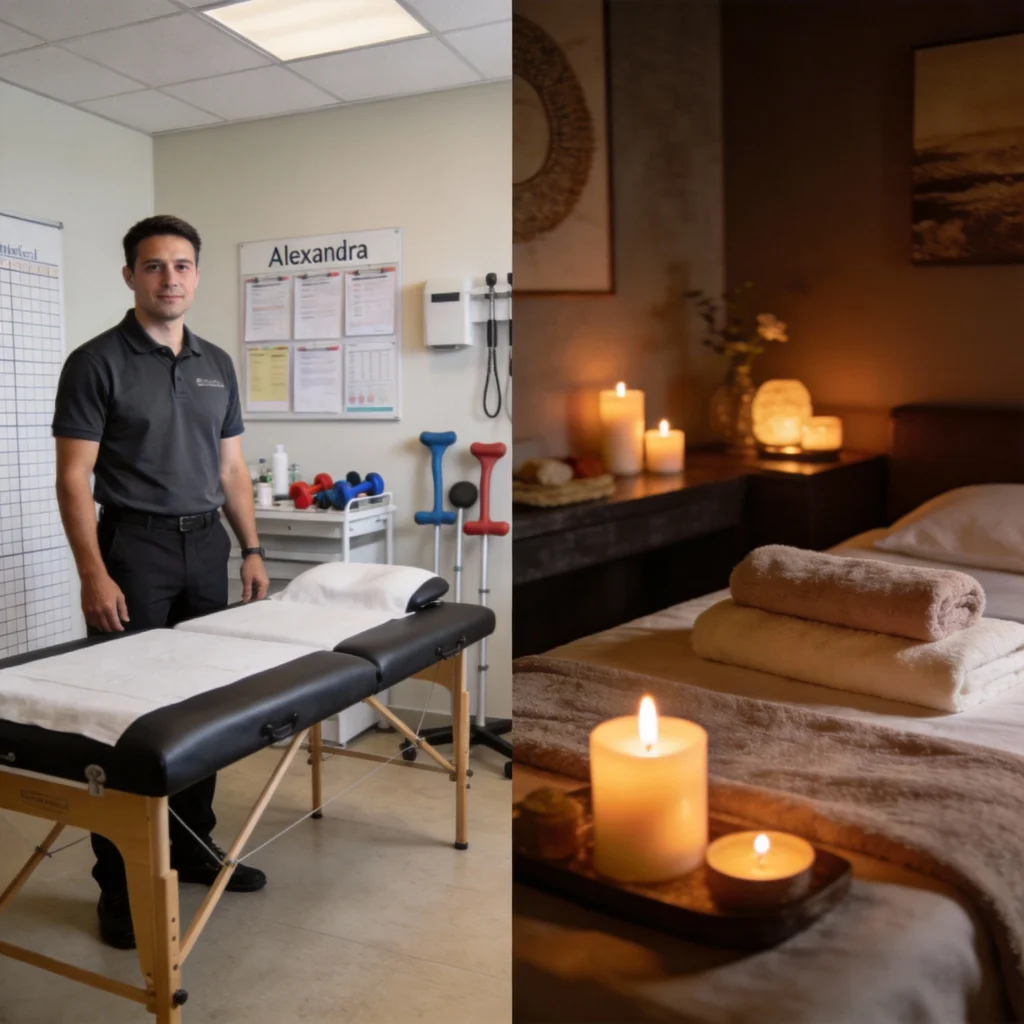
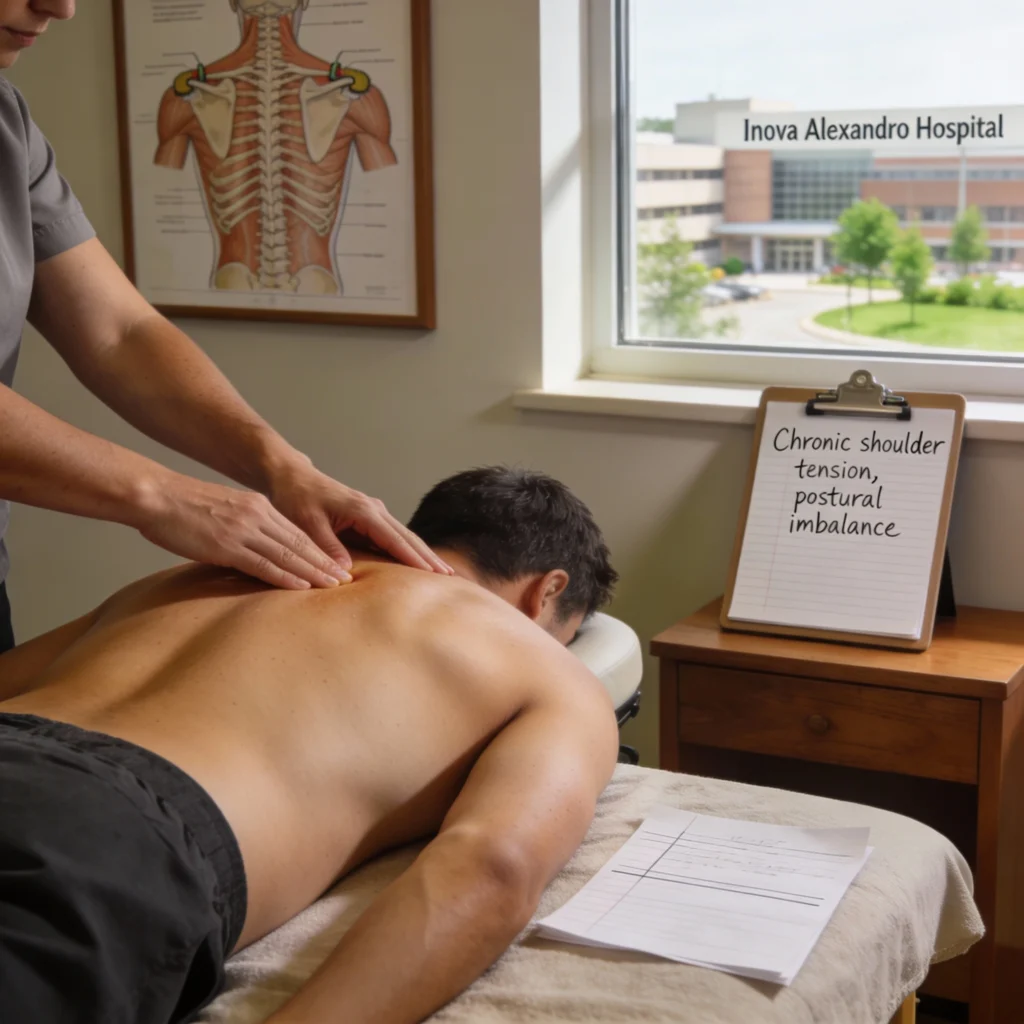
Clinical Alexandria massage therapy practices often share office buildings with chiropractors, physical therapists, or pain specialists along Route 1 and near Eisenhower Avenue. Sessions typically last 30–60 minutes, focus on two or three problem areas, and may use orthopedic assessments like range-of-motion measurements. Therapists document each visit, adjust pressure based on tissue response, and often coordinate with referring physicians for post-surgical or chronic pain cases.

Spa and Wellness-Focused Massage Environments

Spa-style locations in Old Town, Potomac Yard, and Carlyle emphasize ambiance with dim lighting, aromatherapy, and heated tables. Sessions usually run 60–90 minutes, covering the full body with lighter to moderate pressure. While therapists still apply therapeutic massage techniques, they rarely perform goniometer measurements or strength tests. Instead, they prioritize nervous system downregulation, using slower strokes, warm towels, and music to lower heart rate and perceived stress.

2
alexandria massage

Comparing Alexandria Massage Therapy Modalities: Deep Tissue, Sports, and Relaxation

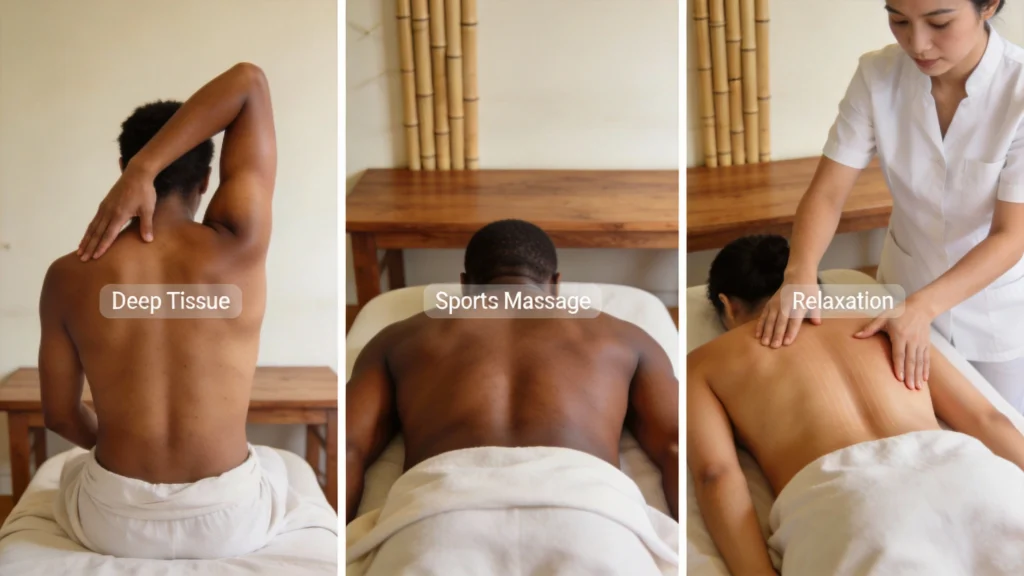
Within Alexandria massage therapy clinics, three modalities dominate: deep tissue, sports massage, and relaxation-focused Swedish techniques. Each uses specific stroke depth, speed, and sequencing to influence muscles, fascia, and the nervous system differently. Choosing the right modality depends on whether your primary complaint is pain, restricted movement, training recovery, or chronic stress and insomnia.

Comparing Alexandria Massage Therapy Modalities: Deep Tissue, Sports, and Relaxation

Stress, poor sleep, and general burnout are common reasons people seek Alexandria massage therapy. Relaxation-focused sessions emphasize slow, rhythmic strokes, quiet rooms, and calming rituals that downshift the nervous system. Over several visits, many clients notice better sleep quality, lower anxiety, and a more resilient response to everyday pressures.

When to Choose Deep Tissue or Sports Massage

Deep tissue and sports massage share slower, firmer pressure, often between 7–9 on a 10-point pressure scale, targeting adhesions and trigger points. Runners training on the Mount Vernon Trail might schedule 45-minute sports sessions weekly during peak mileage to reduce calf tightness and IT band discomfort. Office workers with chronic shoulder pain from laptop use may prefer 60-minute deep tissue every two weeks, focusing on neck, pecs, and upper back.

When Relaxation-Focused Massage Works Best

Relaxation massage, often labeled Swedish or stress-relief, uses lighter pressure—around 3–5 on a 10-point scale—combined with long, flowing strokes. Residents juggling long Metro commutes and childcare often notice improved sleep latency within two or three 60-minute sessions. By extending exhalation and stimulating parasympathetic activity, these treatments can lower resting heart rate by 5–10 beats per minute and reduce perceived anxiety scores on standardized questionnaires.

3
massage therapy

Alexandria Massage Therapy for Chronic Pain and Injury Recovery

Alexandria Massage Therapy for Chronic Pain and Injury Recovery

For chronic pain and injury recovery, Alexandria massage therapy works best when it’s part of a structured plan. Therapists may reassess range of motion, track pain levels, and collaborate with your physician or physical therapist. This approach transforms massage from an occasional luxury into a targeted tool that supports long-term tissue healing and mobility.

For chronic pain or post-injury recovery, Alexandria massage therapy should resemble a structured healthcare service rather than an occasional luxury. Effective clinics design treatment plans spanning four to eight weeks, reassess pain scores regularly, and coordinate with orthopedists, physical therapists, or primary care providers. This approach is especially valuable for conditions like low back pain, rotator cuff issues, or post-surgical stiffness.

Clinical Techniques for Pain and Rehab

Therapists focusing on rehabilitation often combine deep tissue, myofascial release, and neuromuscular techniques. A typical 60-minute session for chronic low back pain might allocate 20 minutes to hip mobility, 20 minutes to lumbar paraspinals, and 20 minutes to core-supporting muscles like glutes. By tracking changes in forward flexion distance or pain on a 0–10 scale, they adjust techniques weekly, gradually reducing session frequency as function improves.

Coordinating with Other Healthcare Providers

Many Alexandria medical massage providers request imaging reports or physical therapy notes before developing a plan. When a therapist understands that your MRI shows L4–L5 disc bulging, they avoid aggressive extension-based techniques and focus on decompressive positions instead. This collaboration reduces flare-ups and can shorten recovery timelines by several weeks, especially when combined with home exercises and ergonomic changes at your workstation.

4

Alexandria Massage Therapy for Stress, Sleep, and General Wellness

Residents balancing federal jobs, commuting, and family responsibilities often seek Alexandria massage therapy primarily for stress reduction, better sleep, and general wellness. In these cases, the goal shifts from eliminating a specific pain point to modulating the nervous system over months. Regular therapeutic massage can lower cortisol levels and improve heart rate variability, both markers of resilience to daily stressors.

Alexandria Massage Therapy for Stress, Sleep, and General Wellness

Different Alexandria massage therapy modalities create distinct effects. Deep tissue and myofascial work focus on stubborn tension and adhesions, sports massage combines targeted work with stretching to support performance, while relaxation techniques calm the nervous system. Knowing which approach best matches your goal prevents booking random sessions that don’t deliver the results you expect.

Relaxation, Sleep, and Nervous System Regulation

Wellness-focused sessions usually emphasize rhythmic, predictable strokes, gentle joint movements, and diaphragmatic breathing cues. A 75-minute session scheduled after work once every two weeks can help shift clients from sympathetic dominance—racing thoughts, clenched jaw—to a more balanced state. Many report falling asleep on the table within 30 minutes and noticing fewer nighttime awakenings after three to four consistent visits.

  • Ask about evening appointments between 6–9 p.m. to align treatment with your natural wind-down routine and sleep schedule.
  • Choose 75–90 minute sessions if your stress manifests as full-body tension rather than localized pain in one region.
  • Request minimal conversation and consistent music volume to avoid sensory overload that can counteract relaxation benefits.
  • Schedule recurring appointments every 2–4 weeks to maintain lower baseline tension instead of reacting only during acute flare-ups.
  • Track sleep duration and wake frequency for two weeks before and after starting regular sessions to measure real improvements.
5

Pricing, Memberships, and Insurance for Alexandria Massage Therapy

Costs for Alexandria massage therapy vary widely based on location, therapist experience, and session length. Old Town spa environments often charge more per minute than clinical practices in less central neighborhoods. Comparing prices only by posted hourly rate can be misleading if you ignore factors like actual hands-on time, membership discounts, and whether insurance or health savings accounts can offset expenses.

Pricing, Memberships, and Insurance for Alexandria Massage Therapy

Typical Local Pricing and Value Comparison

Most independent Alexandria therapists charge between $95–$135 for a 60-minute session, with higher rates for advanced certifications. Chain spas may advertise $80–$90 introductory rates but often reduce hands-on time to 50 minutes within a 60-minute block. Memberships can lower per-session costs by 10–20%, but you should calculate the annual commitment and cancellation policies before enrolling.

Provider Type60-Min Rate (USD)Hands-On MinutesMembership Monthly CostEstimated Cost per Session
Independent Clinical Therapist12055–600120
Old Town Day Spa13550–550135
Chain Spa Membership100507085–95
Medical Clinic Add-On7525–30075
Mobile In-Home Therapist150600150
Corporate On-Site Chair20 per 15 min15080 per hour

Insurance coverage in Alexandria is inconsistent. Some medical massage billed under a chiropractor or physical therapist may be reimbursed with a diagnosis code, while relaxation-focused sessions rarely qualify. However, many clients successfully use flexible spending or health savings accounts by submitting detailed receipts listing “therapeutic massage” and session duration. Always confirm documentation requirements with your benefits provider before scheduling a treatment plan.

6

How to Evaluate Alexandria Massage Therapy Reviews and Credentials

How to Evaluate Alexandria Massage Therapy Reviews and Credentials

Online reviews for Alexandria massage therapy can be confusing because they often prioritize ambiance and friendliness over clinical outcomes. A five-star rating praising scented candles tells you little about a therapist’s ability to reduce sciatic pain or improve shoulder mobility. Learning to read between the lines and verify credentials protects you from investing months in ineffective care.

Reading Reviews for Clinical and Therapeutic Clues

When scanning Google or Yelp, look for reviews that mention specific conditions, such as “herniated disc,” “plantar fasciitis,” or “post-surgery knee stiffness.” Detailed timelines—like “after four sessions my pain dropped from 8/10 to 3/10”—are more meaningful than generic compliments. Also note whether clients praise clear explanations, home-care instructions, and consistent pressure, all markers of a skilled therapeutic massage provider.

Checking Licenses, Certifications, and Specializations

Every Virginia local massage therapist must hold a current state license, which you can verify through the Virginia Department of Health Professions online. Additional certifications—such as neuromuscular therapy, orthopedic massage, or prenatal training—indicate advanced study beyond the standard 500–600 training hours. Ask directly how many clients with your specific condition they treat monthly; a number like 10–15 suggests meaningful experience, not occasional exposure.

7

Choosing Your Ideal Alexandria Massage Therapy Provider: A Step-by-Step Checklist

Selecting the right Alexandria massage therapy provider becomes easier when you follow a structured checklist instead of relying on impulse. By comparing goals, logistics, and communication style, you can narrow dozens of options down to two or three strong candidates. This reduces trial-and-error costs and increases the likelihood of achieving measurable improvements within the first month.

Choosing Your Ideal Alexandria Massage Therapy Provider: A Step-by-Step Checklist

Practical Checklist for Shortlisting Providers

Use a written checklist to compare clinics on commuting time, parking, pricing, and modality offerings. For example, a therapist within 10–15 minutes of your home or office makes weekly sessions sustainable. Combine this with questions about reassessment frequency, home-care guidance, and willingness to coordinate with other healthcare providers so you know exactly what ongoing care will look like.

  • Define your primary goal—pain reduction, mobility, stress, or sleep—and rank two secondary goals before contacting providers.
  • Confirm the therapist’s Virginia license and ask about additional certifications directly related to your main complaint or sport.
  • Request a brief phone consultation to discuss history, red flags, and how many sessions they estimate for noticeable change.
  • Start with three sessions spaced 7–14 days apart, then reassess pain, sleep, or mobility using simple 0–10 scales.
  • If progress stalls after four sessions, consider switching modalities, adjusting frequency, or seeking a more specialized clinic.

By approaching Alexandria massage therapy with this level of structure, you turn each appointment into part of a broader health strategy rather than an isolated treat. Over time, you’ll learn which modalities, session lengths, and providers deliver the best return on your time and money. That insight lets you maintain results with fewer visits, using massage as a targeted tool for long-term well-being.

Face, Neck, Head, Body, Back & Foot Massager
For a Relaxing & Relieving Lifestyle
14-day money back guarantee
Lowest Prices: 365 Days Discount
Safe & Secure online payment
Contact Us

Massagers Mart © 2025. All Rights Reserved

Massagers Mart
Logo
Compare items
  • Total (0)
Compare
0
Shopping cart