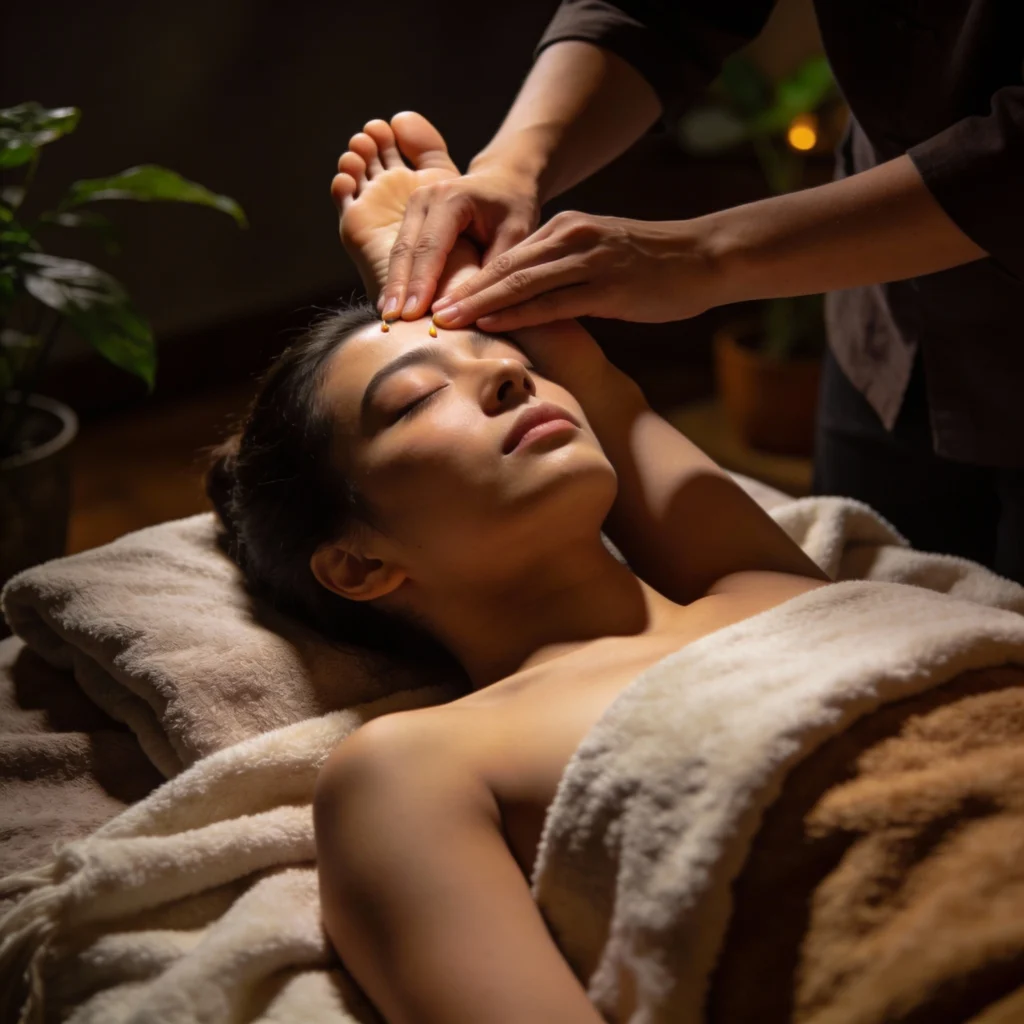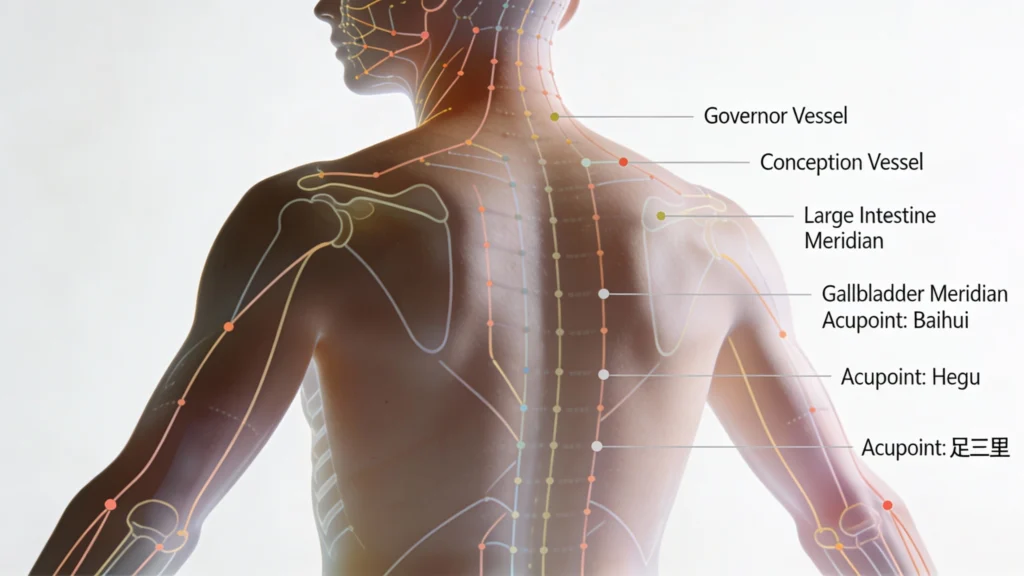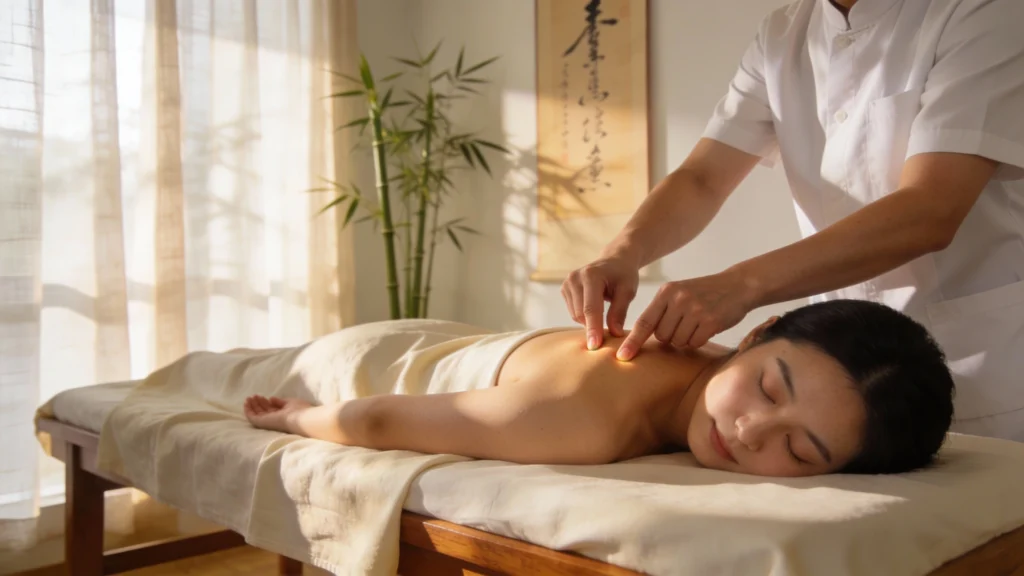
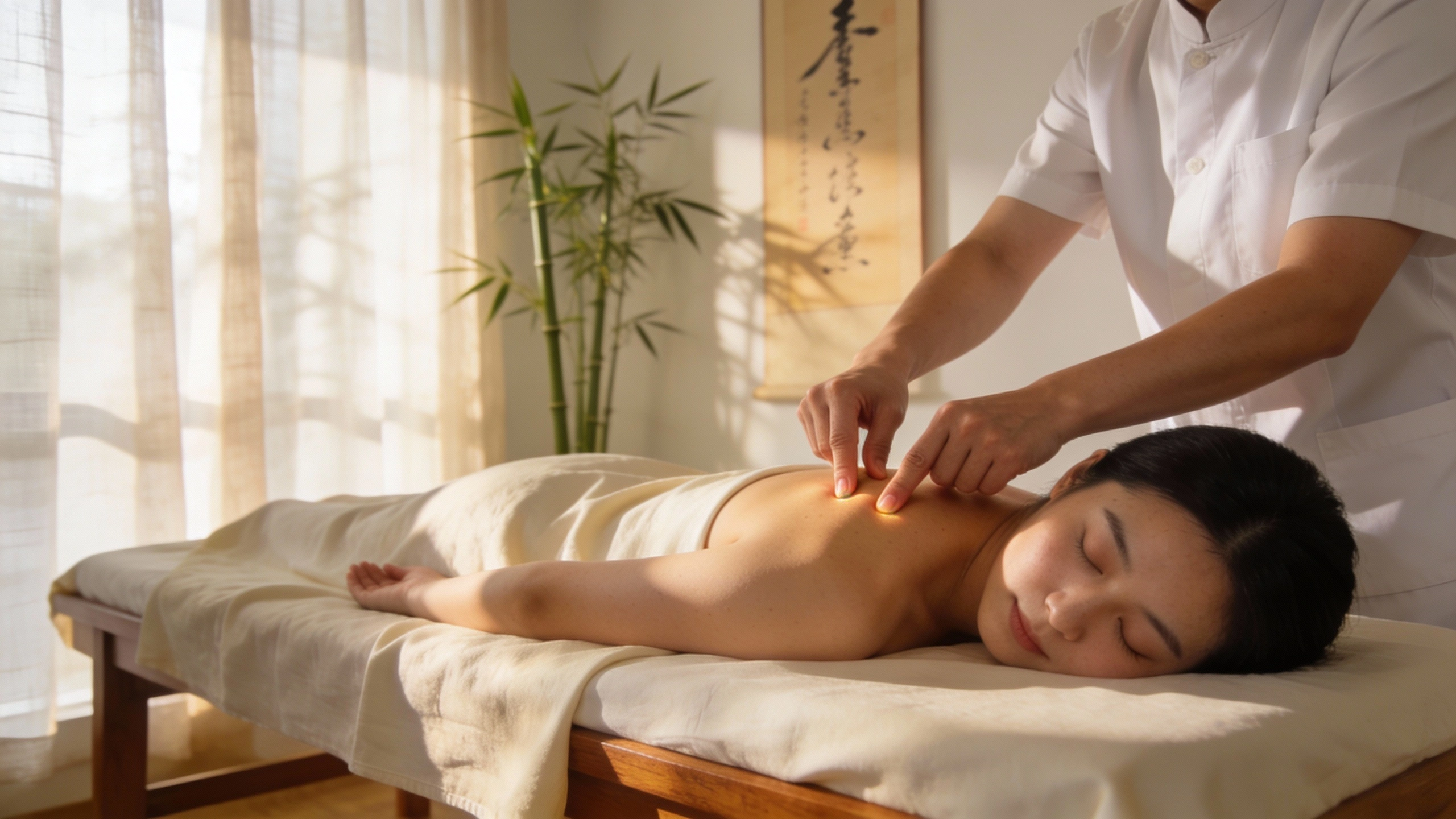
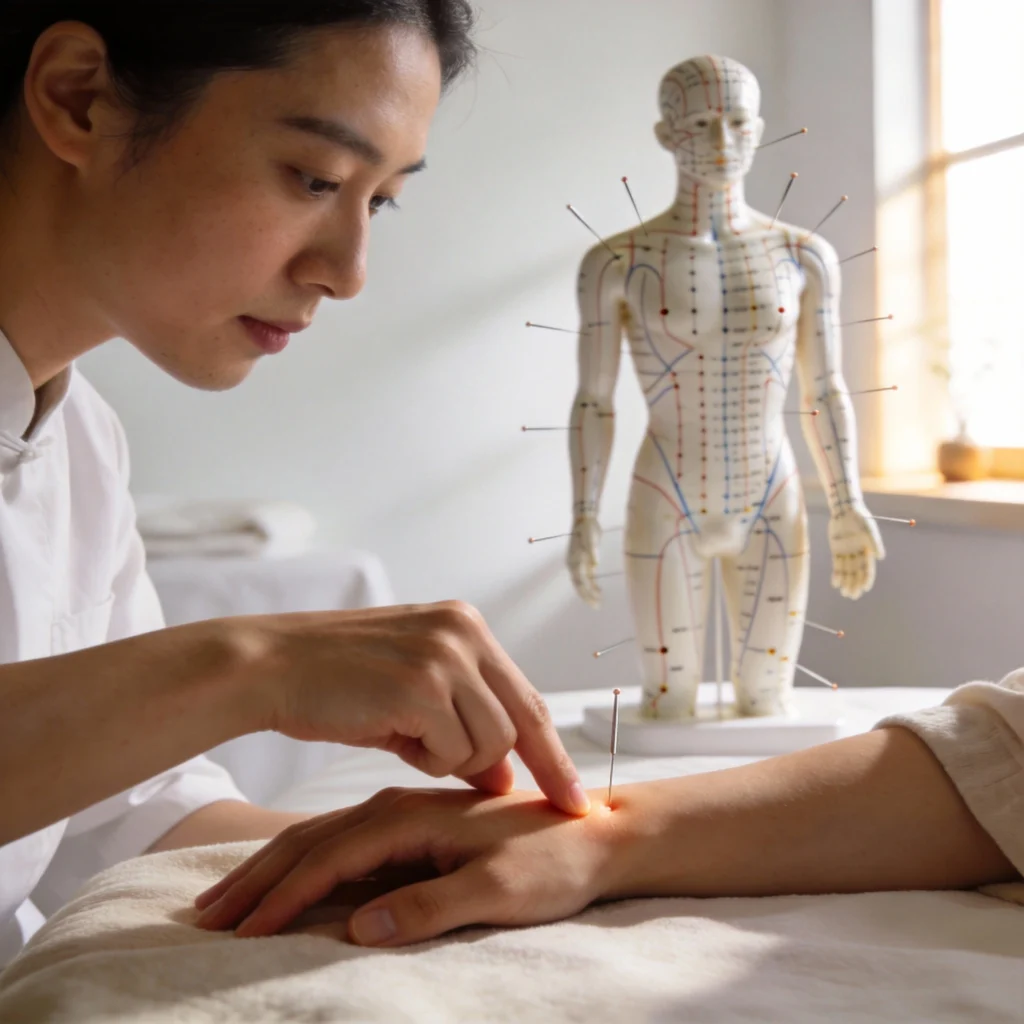
Acupressure and acupuncture share the same map of points and meridians, but they differ in how those points are stimulated. Instead of inserting needles, an acupressure therapist applies steady, targeted pressure with fingers or tools. For many people, this needle-free approach feels more approachable while still drawing on similar traditional theories.
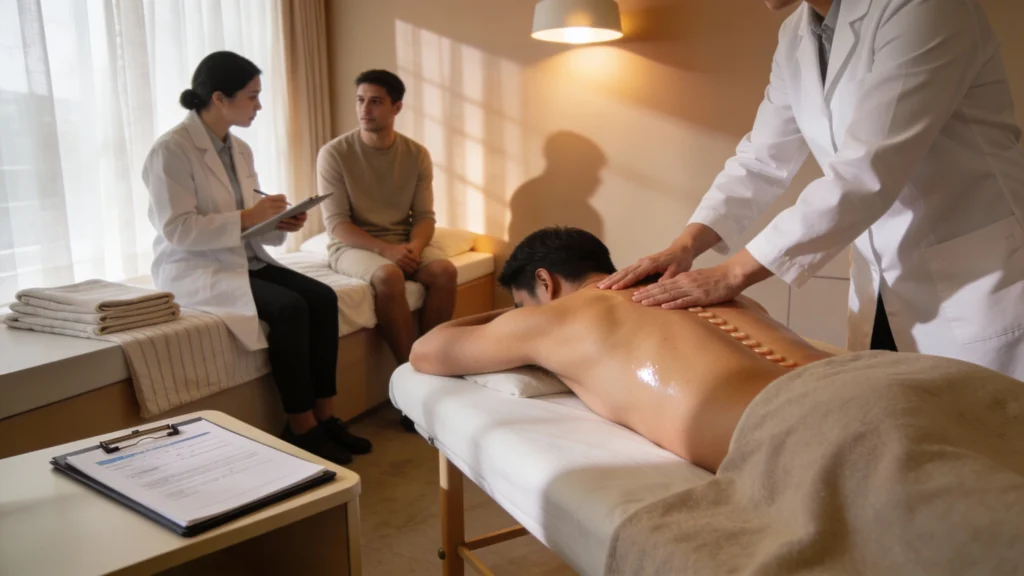
Acupressure massage therapy is a manual technique that targets the same points used in acupuncture, but relies on sustained finger or elbow pressure instead of needles. Sessions often last 45–75 minutes, combining rhythmic massage strokes with 30–60 seconds of pressure on specific points. Many clients prefer it because there is no skin penetration, making it accessible to people with needle anxiety.
Comparing Acupressure, Acupuncture and Conventional Massage
Acupuncture inserts hair-thin needles 3–25 millimeters into defined points to modulate nerve activity and circulation, while acupressure uses comparable locations but only external pressure. Conventional therapeutic massage, such as Swedish or deep tissue, focuses mainly on muscles, fascia and joints, using long gliding strokes or friction. Acupressure massage therapy bridges these approaches by integrating meridian-based point work with familiar massage techniques.
When Each Modality May Be Preferred
People with chronic migraines, chemotherapy-related nausea or neuropathy sometimes respond better to acupuncture, supported by randomized trials showing measurable symptom reductions. Those uncomfortable with needles may trial acupressure first, especially for tension headaches, insomnia or menstrual cramps. Clients seeking general relaxation, muscle recovery after sports or improved flexibility often choose classic therapeutic massage, then add acupressure techniques to target stubborn trigger areas.