Best Foot Massager for Plantar Fasciitis: Targeted Heel and Arch Relief

Sharp heel pain with your first morning steps can make every day feel like a setback. Plantar fasciitis tightens the thick band under your foot, turning simple walking into a constant reminder. Targeted massage can interrupt that pain cycle, loosen stiff tissue, and support the rest of your rehab plan.

The best foot massager for plantar fasciitis is not a magic cure, but it can significantly reduce daily discomfort when used alongside stretching, footwear changes, and medical guidance. By applying controlled pressure and motion to the arch and heel, these tools help improve blood flow and reduce stiffness in the plantar fascia over weeks, not just minutes.

Instead of chasing gimmicks, you want a device that matches your pain pattern, activity level, and tolerance. Some people respond best to simple manual rollers, while others prefer electric models with heat or vibration. Understanding how each design works lets you choose a massager that genuinely fits your routine and long-term recovery goals.

Before changing your treatment plan, especially if you have diabetes, neuropathy, or vascular disease, discuss new tools with a podiatrist or physical therapist. They can help you decide how often to use massage, how much pressure is safe, and how to combine it with exercises so you build stronger, more resilient feet rather than simply chasing temporary relief.

1
best foot massager for plantar fasciitis

How the Best Foot Massager for Plantar Fasciitis Targets Heel and Arch Pain

How the Best Foot Massager for Plantar Fasciitis Targets Heel and Arch Pain

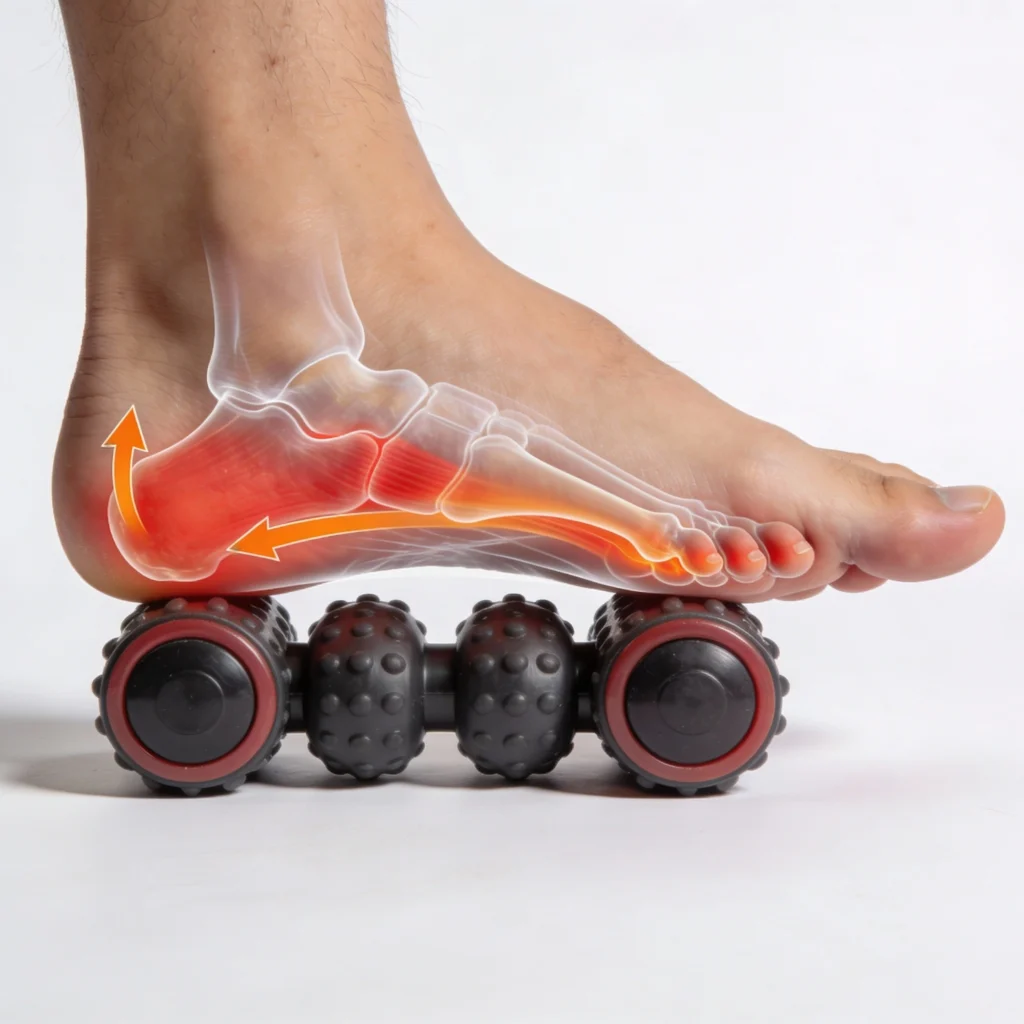
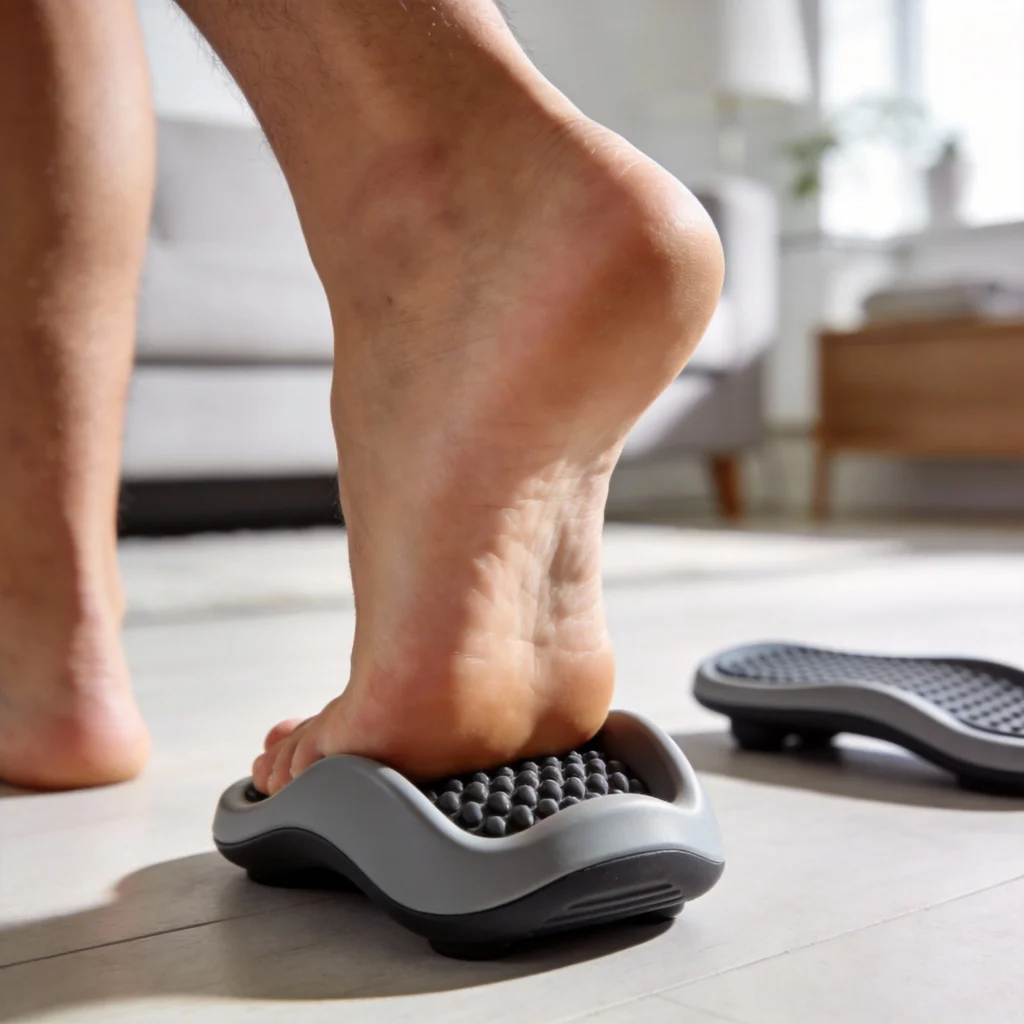
Targeted heel and arch massage focuses directly on the plantar fascia, the thick band of tissue running from the heel to the toes. When a massager concentrates pressure along this line, it can help loosen tight fibers, reduce morning stiffness, and gradually decrease the sharp, localized pain common with plantar fasciitis.

Plantar fasciitis involves microscopic tears and inflammation in the band of tissue running from your heel bone to your toes. When this fascia tightens overnight, those first steps stretch irritated fibers, creating the classic stabbing heel pain. A well-designed foot massager uses pressure, rolling, or vibration to gently mobilize this tissue, encouraging circulation and reducing morning stiffness.

Understanding Plantar Fascia Mechanics

The plantar fascia acts like a tension cable, supporting your arch and absorbing impact with every step. When overloaded by standing eight to ten hours daily, rapid mileage increases, or unsupportive shoes, it stiffens and develops trigger points near the heel. Massagers mimic hands-on myofascial release, slowly deforming the tissue over 30–90 seconds per spot, which helps reset tension and reduce painful pulling on the heel bone.

Why Targeted Pressure Helps Heel Pain

Devices marketed as the best foot massager for plantar fasciitis typically concentrate force along the medial arch and just in front of the heel. By focusing on a two to three centimeter band where most tenderness sits, they stimulate mechanoreceptors that compete with pain signals, a mechanism called gate control. Over time, regular five to ten minute sessions can reduce sensitivity, making walking, squatting, and climbing stairs more tolerable.
2

Key Features in the Best Foot Massager for Plantar Fasciitis

Not every massager that feels relaxing actually helps plantar fascia recovery. The best foot massager for plantar fasciitis balances firmness, shape, and additional features to reach deep tissue without bruising already-irritated heels. Understanding how roller diameter, surface texture, vibration intensity, and heat levels interact helps you avoid overpaying for bells and whistles that do not match your needs.

Key Features in the Best Foot Massager for Plantar Fasciitis

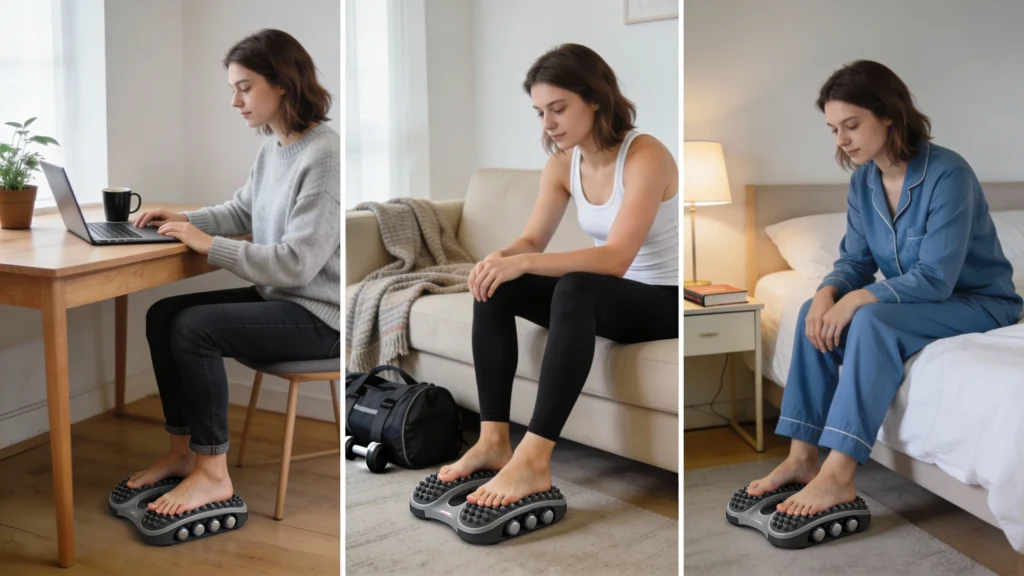
Timing matters when using an arch massager. Many people find short sessions helpful before getting out of bed, after long periods of standing, or following exercise. Integrating a few minutes of targeted pressure throughout the day can keep the plantar fascia more flexible and reduce flare-ups without overwhelming sensitive tissues.

Design Details That Matter for Arch Relief

Firmness dictates how deeply force penetrates; dense rubber or wood rollers around 5–7 cm in diameter concentrate pressure into tight bands, while softer foam spreads load for sensitive users. Raised nodules spaced one to two centimeters apart can mimic thumb pressure along the arch, but overly sharp spikes may aggravate thin-soled feet. A slight hourglass or curved profile cradles the arch, preventing the roller from sliding away during slow, controlled passes.

Heat, Vibration, and Extra Features

Heat between 38–42°C increases local blood flow about 2–3 times baseline, which may help clear inflammatory byproducts. Low-frequency vibration, commonly 30–60 Hz in consumer units, can reduce perceived pain by stimulating sensory nerves that override nociceptive signals. When comparing models, look for adjustable intensity and automatic shutoff after 15–20 minutes to prevent overuse, especially if you have reduced sensation from neuropathy or prior nerve injury.

3
alleviate arch massager

Alleviate Arch Massager vs Other Best Foot Massager for Plantar Fasciitis Designs

Arch-focused tools like an alleviate arch massager concentrate their effect on a narrow band under the midfoot, while many electric units treat the entire sole more generally. Choosing between them depends on where your pain localizes and how much control you want over pressure. Some people keep both: a compact arch tool for precision work and a powered device for end-of-day relaxation.

Alleviate Arch Massager vs Other Best Foot Massager for Plantar Fasciitis Designs

An Alleviate-style arch massager is shaped to cradle the curve of the foot, concentrating pressure precisely where the plantar fascia tightens most. Compared with flatter or more generalized foot massagers, this design can offer more targeted relief for stubborn arch pain, especially when used consistently alongside stretching and supportive shoes.

Comparing Common Plantar Fasciitis Massager Types

The table below contrasts an alleviate arch massager style device with popular alternatives, highlighting how each addresses plantar fascia pain. This comparison includes approximate prices, pressure depth, and whether they also function as an ankle massager by reaching the lower calf or Achilles. Use it to match your symptoms, budget, and tolerance for hands-on versus passive treatments.

Massager TypeTypical Price (USD)Primary Target AreaPressure DepthBest For
Alleviate arch massager (curved roller)25–40Medial arch and plantar fascia bandMedium to deep, user-controlledFocused heel-to-arch pain, home or office use
Electric shiatsu foot massager120–200Entire sole, toes, partial heelMedium, motor-driven nodesDaily relaxation plus mild plantar fascia relief
Textured foot roller stick10–25Arch and forefootLight to medium, depending on bodyweightBeginners, sensitive feet, quick post-run use
Heated foot spa with rollers60–120Sole and sides of footLight, mainly hydrotherapyGeneral soreness, mild plantar fasciitis, circulation
Compression boot with foot pad150–300Foot, ankle, and calfVariable, air pressure cyclesCombined plantar pain, swelling, and calf tightness
Vibrating foam half-dome40–80Arch and heel insertionLight to moderate, vibration-basedPeople preferring minimal manual effort

Arch-specific devices shine when your pain is sharply localized and you can tolerate direct pressure for 30–60 seconds on tender spots. Broader electric units may be better if you also struggle with calf tightness or neuropathic tingling, since they often include modes that indirectly act as an ankle massager. Many users alternate: precision tools in the morning, relaxing electric sessions before bed.

4

When to Use an Alleviate Arch Massager During the Day

Timing your sessions can significantly influence how effective any plantar fasciitis massager feels. The plantar fascia behaves like a stiff elastic band after inactivity, then gradually lengthens with movement. Short, well-placed bouts of massage at predictable points in your day can reduce peak pain spikes, especially those first steps in the morning and the ache that builds after prolonged standing or walking.

When to Use an Alleviate Arch Massager During the Day

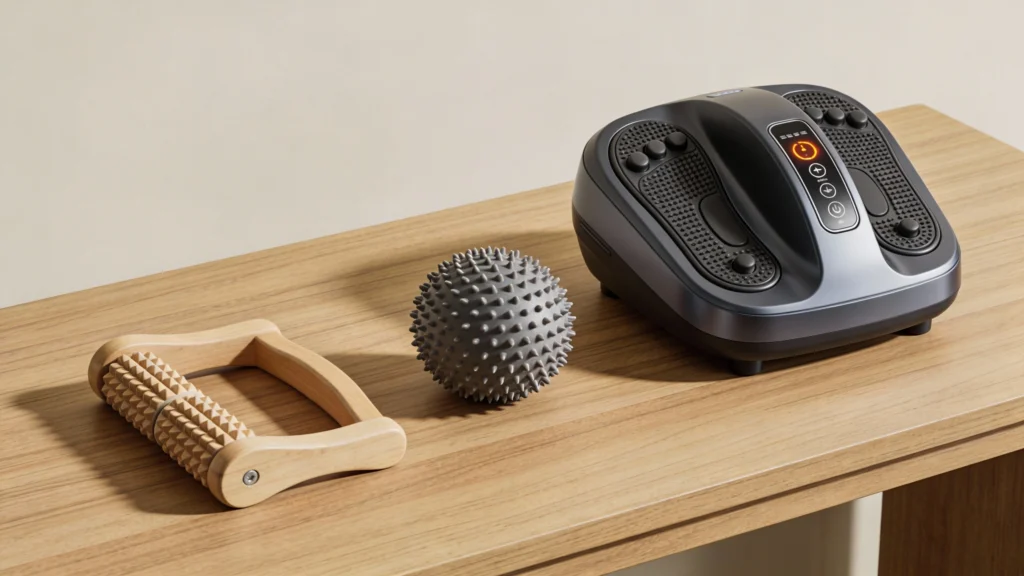
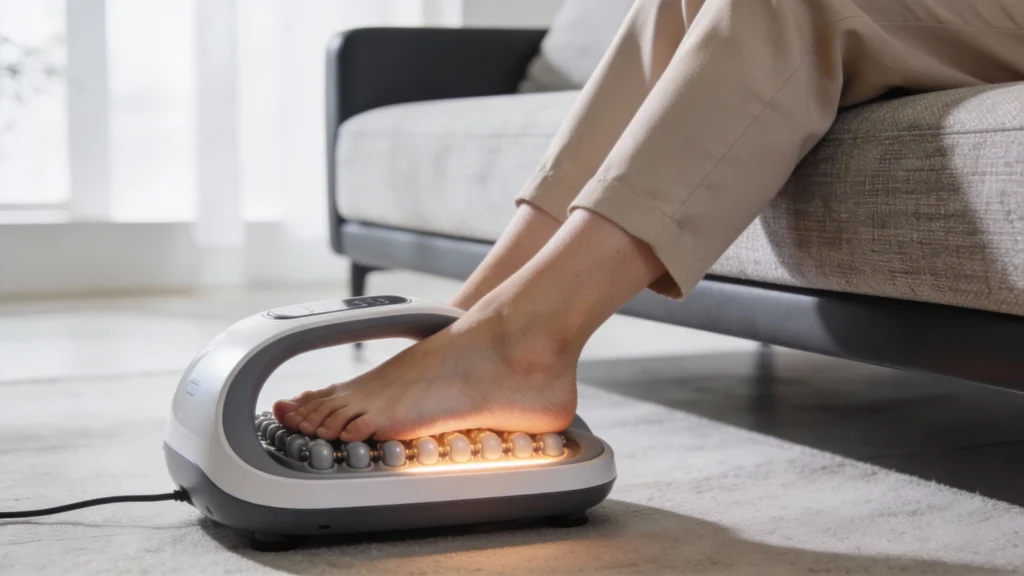
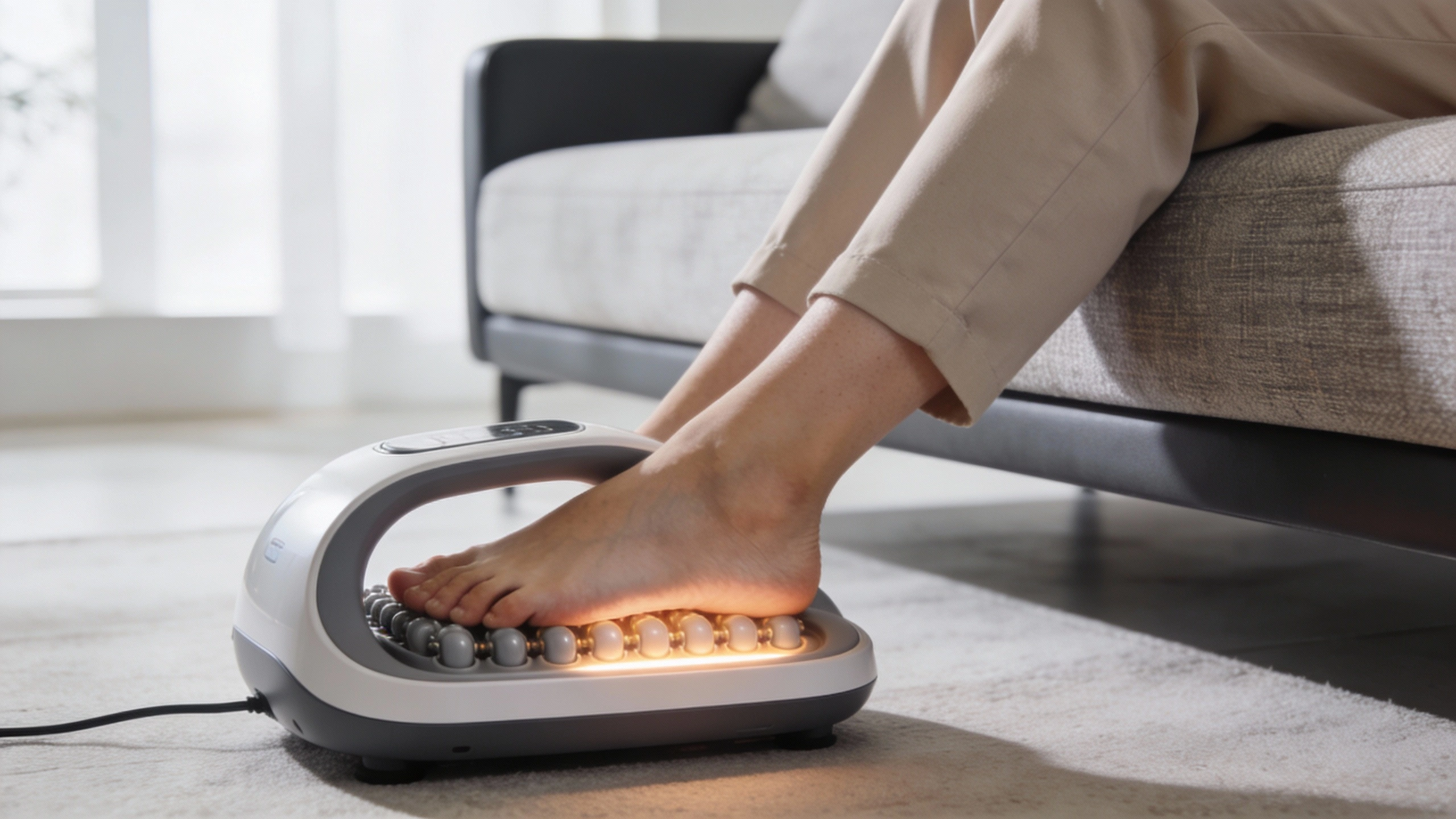
Different massager designs suit different pain patterns and preferences. Some people prefer basic manual tools like rollers or massage balls for precise, controllable pressure, while others benefit from electric models with heat, vibration, or preset programs. Matching the device to your sensitivity, activity level, and routine is key to consistent relief.

Strategic Moments for Daily Use

Think of an alleviate arch massager as a reset button you press before and after predictable stress. Morning use prepares stiff tissue for loading, while evening sessions help flush metabolites accumulated from thousands of steps. Brief pre-sport massage improves tolerance to impact, and mid-day breaks during desk work prevent the fascia from tightening into a shortened position between walking bouts.

  • Before getting out of bed, roll each arch for two to three minutes to reduce first-step stabbing pain.
  • After work shifts over six hours, spend five minutes per foot to release tension from prolonged standing.
  • Ten to fifteen minutes before running or court sports, gently roll arches to improve tissue elasticity and shock absorption.
  • During sedentary office days, take two short three-minute breaks morning and afternoon to prevent fascia stiffening.
  • Before bedtime, combine five minutes of massage with calf stretching to calm nighttime throbbing sensations.
5

Combining the Best Foot Massager for Plantar Fasciitis with Stretching

Massage alone rarely resolves plantar fasciitis because it does not correct underlying tightness in the calf complex or biomechanical overload. Pairing the best foot massager for plantar fasciitis with targeted stretching changes how forces travel through the fascia. When you first loosen tissue with massage, stretches often feel less painful and can reach further ranges without provoking sharp heel symptoms.

Combining the Best Foot Massager for Plantar Fasciitis with Stretching

Calf, Achilles, and Plantar Fascia Stretch Pairings

A simple sequence might start with three to five minutes of arch massage, followed by a straight-knee calf stretch against a wall for 30 seconds, repeated three times. Then perform a bent-knee soleus stretch, again 30 seconds for three repetitions. Finish by crossing one ankle over the opposite knee and gently pulling toes back until you feel tension along the arch, holding 20–30 seconds.

Many clinicians recommend two to three combined massage-and-stretch sessions daily, totaling about 20–30 minutes, rather than one long, aggressive session. This frequent, moderate loading encourages collagen remodeling and gradually increases tissue tolerance without repeatedly re-irritating the heel insertion.

Integrating Strength and Daily Movement

Once pain decreases, add strengthening drills like towel curls, marble pickups, or short-foot exercises to build arch control. Perform these after massage when the fascia is warm and pliable, aiming for two to three sets of 10–15 repetitions. Over several weeks, this combination reduces reliance on the massager, shifting your focus from symptom management toward restoring normal walking, running, and standing capacity.

6

Who Should Be Cautious Using the Best Foot Massager for Plantar Fasciitis

Who Should Be Cautious Using the Best Foot Massager for Plantar Fasciitis

While most healthy adults can safely use a plantar fasciitis massager, certain conditions warrant extra caution or medical clearance. Because these devices apply concentrated pressure and sometimes heat, they can aggravate acute inflammation or go unnoticed in people with reduced sensation. Understanding these risks helps you tailor intensity, duration, and frequency to your specific health profile.

Medical Conditions Requiring Extra Care

Anyone with diabetic neuropathy, peripheral arterial disease, or a history of foot ulcers should consult a clinician before using firm rollers or heated devices. Diminished sensation means you might not feel excessive pressure or heat until tissue damage occurs. Similarly, if your heel is acutely swollen, red, and painful to light touch, aggressive massage could worsen microtears rather than support healing.

  • Diabetes with neuropathy can mask pain, so limit pressure and avoid heat above 40°C without medical supervision.
  • Recent steroid injection in the heel requires avoiding deep massage directly over the injection site for several days.
  • Suspected stress fracture or sharp, localized bone pain should be imaged before any mechanical massage is attempted.
  • Inflammatory arthritis flares may respond better to gentle range-of-motion and cooling rather than intense pressure.
  • Open wounds, skin infections, or severe eczema on the foot are clear reasons to postpone using shared massagers.
7

Maintenance Tips for Your Best Foot Massager for Plantar Fasciitis

Keeping your massager clean and mechanically sound protects both your skin and the device’s lifespan. Sweat, skin oils, and sock lint accumulate on rollers and inside electric units, creating a breeding ground for bacteria and odor. Regular maintenance also ensures that moving parts glide smoothly, providing consistent pressure instead of jerky, uncomfortable motion during crucial arch and heel sessions.

Maintenance Tips for Your Best Foot Massager for Plantar Fasciitis

Cleaning, Storage, and Replacement Guidelines

For non-electric rollers, wipe surfaces with a damp cloth and mild soap after every few uses, then air-dry completely before storage. Electric foot massagers usually tolerate disinfectant wipes on contact areas, but motors and vents must stay dry, so follow the manual closely. Store devices in a cool, dry place; repeated exposure to temperatures above 35°C can degrade rubber, foam, and adhesives over months.

As a general rule, replace heavily used manual rollers every 12–18 months and reassess electric units around the three to five-year mark. Loss of firmness, cracked surfaces, or inconsistent vibration indicate that your massager may no longer deliver the precise pressure patterns your plantar fascia needs.

Hygiene When Sharing Devices

If multiple family members use the same massager, designate separate washable covers or socks to reduce cross-contamination, especially when someone has athlete’s foot or nail fungus. Clean shared surfaces at least weekly with an antiseptic wipe containing 60–70% alcohol. This simple habit preserves the benefits of foot massager use—improved circulation, less stiffness, and daily comfort—without trading them for preventable skin or nail infections.

Face, Neck, Head, Body, Back & Foot Massager
For a Relaxing & Relieving Lifestyle
14-day money back guarantee
Lowest Prices: 365 Days Discount
Safe & Secure online payment
Contact Us

Massagers Mart © 2025. All Rights Reserved

Massagers Mart
Logo
Compare items
  • Total (0)
Compare
0
Shopping cart