

In most healthcare organizations, PT is the standard abbreviation for both the discipline and the licensed physical therapist, but what matters most is clarity. Clearly writing “Physical Therapy (PT)” on first use in your notes helps ensure payers, auditors, and other providers understand exactly what services were delivered and by whom.
Across hospitals, outpatient clinics, and home health agencies, PT is the standard abbreviation for physical therapy as a profession and service line. You will see PT used in scheduling systems, referral orders, and departmental names such as “Outpatient PT.” In written physical therapy documentation, most organizations avoid periods, treating PT as a professional designation rather than a sentence abbreviation.
How PT Appears in Clinical Records
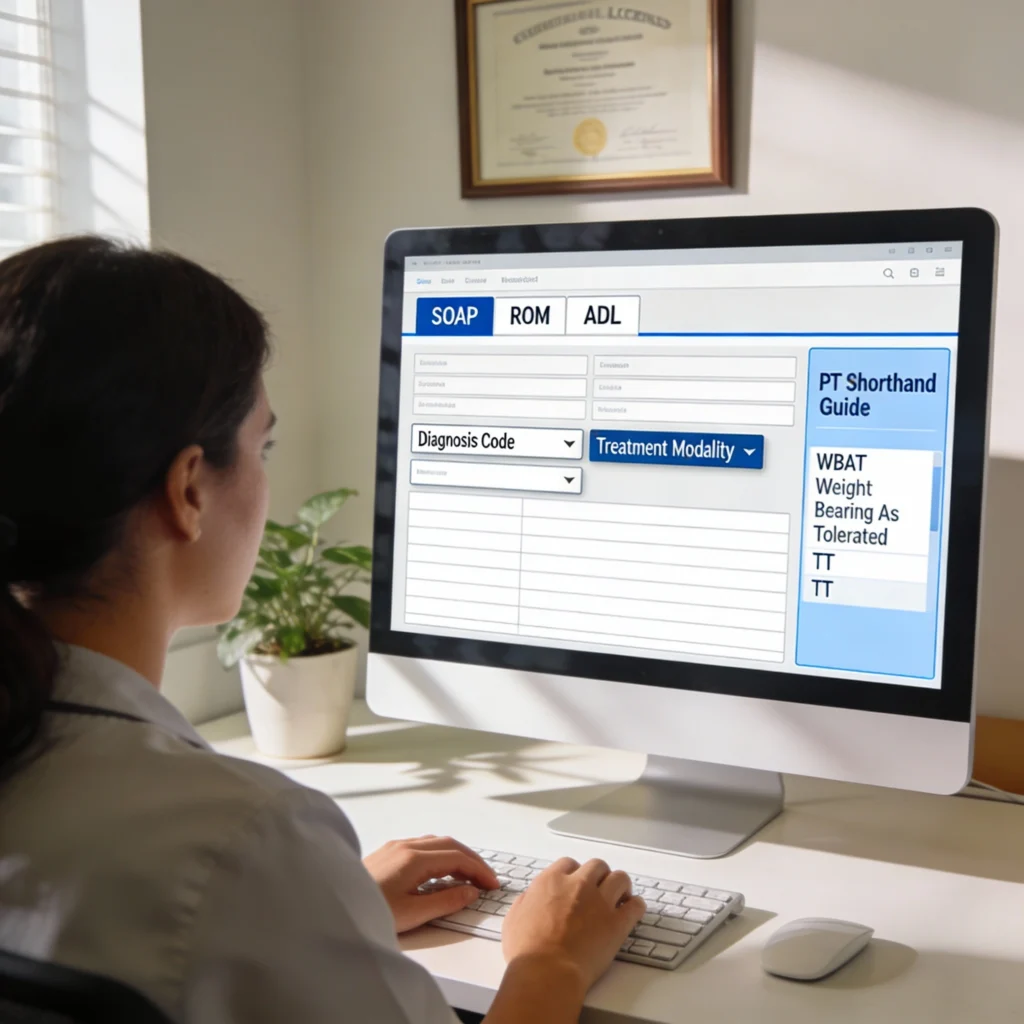
Within clinical notes, PT usually labels the service type, discipline, or department responsible for care. For example, an inpatient order might read “PT eval and treat, bid, start 1/15/2026.” Progress notes often include headings like “PT Assessment” or “PT Plan” to distinguish them from OT or SLP. Using PT consistently across templates ensures quick chart navigation for multidisciplinary teams.
PT in Scheduling and Operational Systems
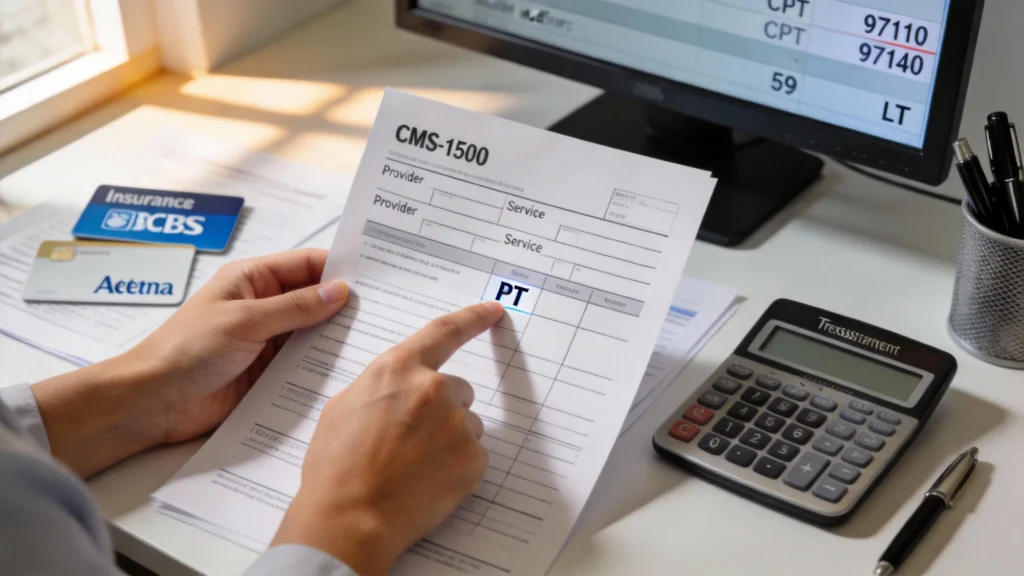
Electronic medical record systems frequently categorize encounters under PT to drive reporting and billing workflows. A visit may be tagged as “PT visit, 45 minutes” with associated CPT codes such as 97110 or 97140. When PT is used uniformly in these systems, administrators can accurately track visit volumes, payer mix, and productivity, supporting data-driven decisions on staffing and service expansion.