Acute Physical Therapy: Early Rehab in the Hospital Explained

Waking up after surgery or a serious illness, many patients are surprised when a physical therapist walks in the room the very next day. Early movement can feel counterintuitive when your body hurts, IV lines are attached, and monitors are beeping, yet it is one of the strongest predictors of recovery speed and independence.

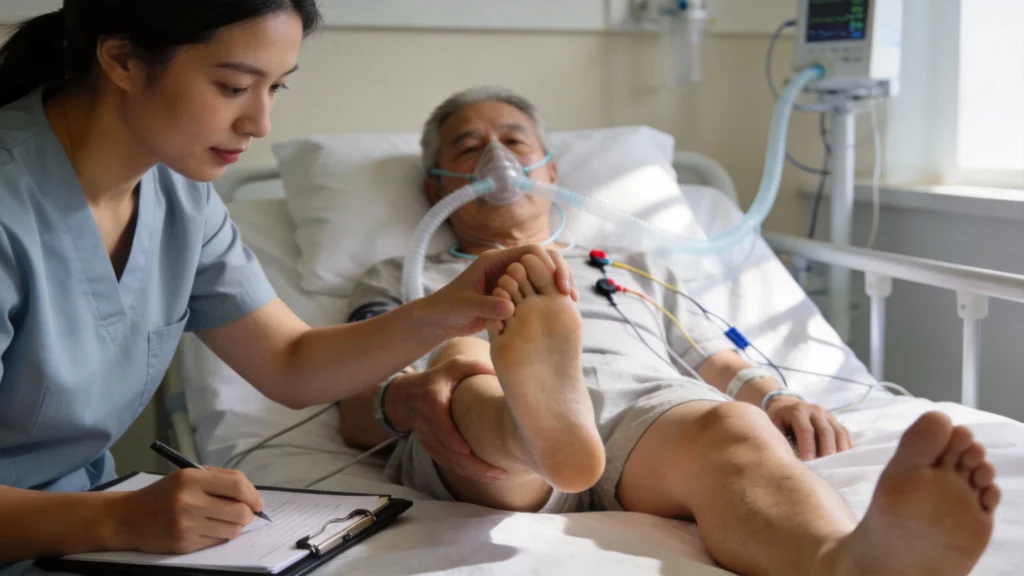
Acute care physical therapy focuses on restoring safe movement while you are still in the hospital, often within 24–48 hours of admission or surgery. Therapists work around oxygen lines, catheters, and pain levels to prevent rapid strength loss and complications. By targeting small, achievable goals daily, acute care physical therapy shortens hospital stays and reduces readmission risk after discharge.

Many people expect rehabilitation to begin only after they leave the hospital, but the body starts losing muscle within 24 hours of strict bed rest. In older adults, research shows strength can drop 3–5% per day. Acute care physical therapy interrupts this decline with carefully dosed activity, allowing you to leave the hospital walking farther, breathing easier, and needing less assistance.

Family members often wonder whether pushing for early mobility is safe when a loved one looks fragile. Therapists rely on vital sign monitoring, surgical precautions, and standardized tests to balance risk and benefit. Understanding what acute care physical therapy involves, and how it connects to later rehab, helps patients and caregivers participate confidently in each session.

Acute care PT also coordinates closely with occupational therapy, nursing, and case management. This team approach ensures that recommendations for adaptive equipment, home modifications, or post-acute rehab facilities match your real abilities, not just your diagnosis. The result is a discharge plan that feels realistic instead of overwhelming.

1
acute physical therapy

What Is Acute Physical Therapy and When Does It Start?

What Is Acute Physical Therapy and When Does It Start?

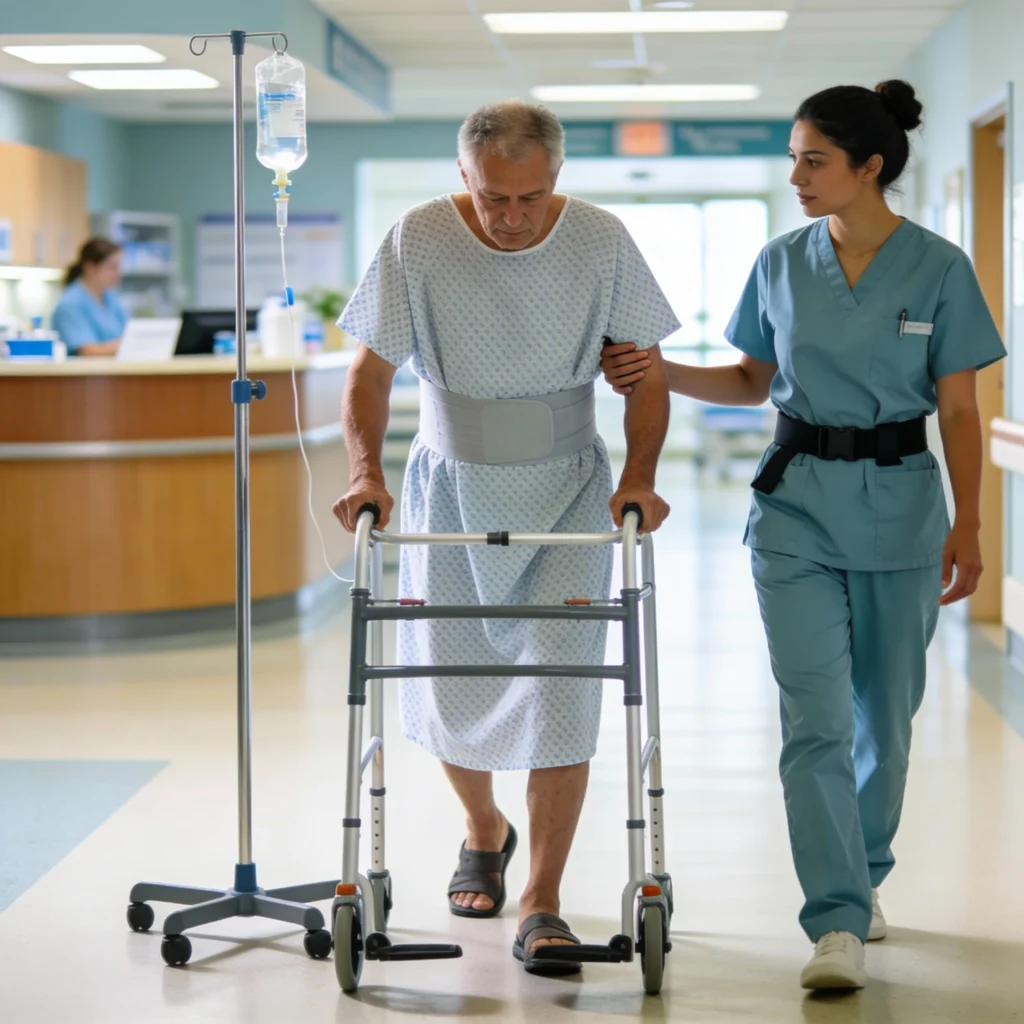
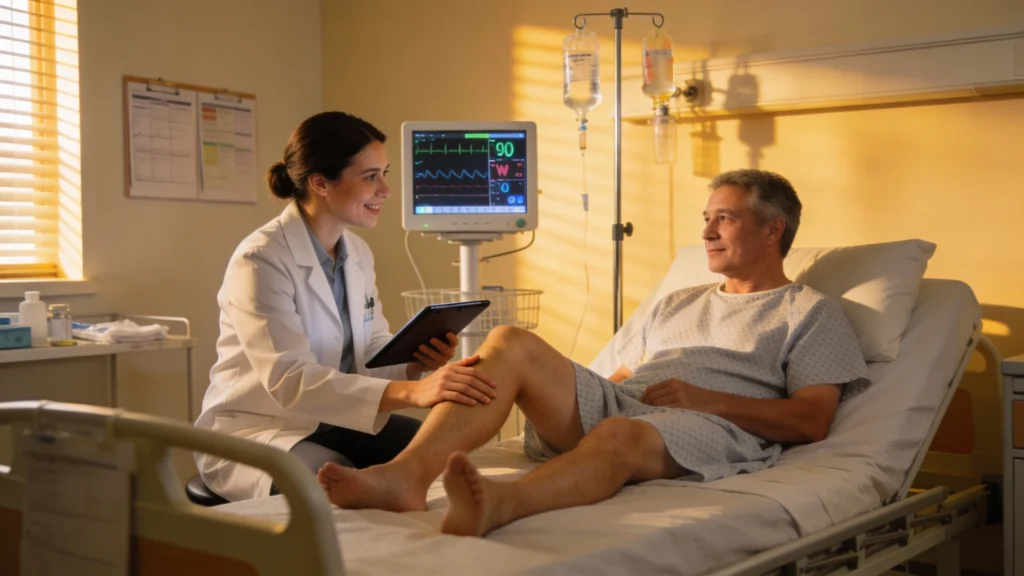
Acute physical therapy typically starts within 24–48 hours of admission or surgery, often right in the hallway outside the patient’s room. Therapists carefully monitor vital signs and fatigue while encouraging short walks. These brief, supervised sessions help prevent rapid strength loss and support a safer, more independent transition out of the hospital.

Acute care physical therapy is hospital-based rehabilitation delivered during the earliest, most medically complex phase of illness, injury, or surgery. Instead of waiting for full medical stability, therapists begin as soon as vital signs, lab values, and surgical guidelines allow, sometimes within 12–24 hours. The goal is to maintain function while doctors treat the underlying condition, preventing deconditioning that can delay discharge for days.

Where Acute PT Fits in the Continuum of Care

Within the rehabilitation continuum, acute care physical therapy occupies the first step, before inpatient rehab, home health, or outpatient therapy. Therapists focus on bed mobility, short transfers, and brief hallway walks rather than high-intensity strengthening. They document objective metrics—such as distance walked in meters and assistance level—to determine whether you can safely return home, need inpatient rehab, or require a skilled nursing facility.

Typical Timing After Injury, Illness, or Surgery

Timing varies by diagnosis, but early mobilization is standard. After uncomplicated hip or knee replacement, many protocols start ambulation within 4–8 hours. For pneumonia or heart failure, therapists often begin sitting at the edge of the bed on day one, progressing to hallway ambulation by day two or three. Even in intensive care units, evidence supports gentle mobilization once blood pressure, oxygenation, and sedation levels are stable.

2
Physical Therapy

Goals of Acute Physical Therapy in the Hospital

The primary goals of acute care physical therapy are preventing complications, promoting safe mobility, and preparing you for the next level of care. Prolonged bed rest increases the risk of blood clots, pressure injuries, pneumonia, and delirium. By getting you sitting, standing, and walking in short bouts, therapists improve circulation, lung expansion, and orientation, which directly reduces ICU and overall hospital days.

Goals of Acute Physical Therapy in the Hospital

During an acute physical therapy evaluation, the therapist reviews your medical history, checks strength, balance, and mobility, and asks about pain and home setup. This information shapes a personalized plan, including how often you’ll be seen in the hospital and what specific mobility goals should be met before it’s safe to go home.

Preventing Complications and Promoting Mobility

Therapists use targeted exercises and frequent position changes to maintain joint range of motion and muscle activity. For example, ankle pumps and heel slides performed every two waking hours can reduce lower-extremity clot risk by improving venous return. Structured walking programs—such as three hallway walks per day of 50–100 feet—have been shown to improve postoperative bowel function and lower the incidence of hospital-acquired pneumonia by increasing tidal volume.

Pain Management and Functional Independence

Pain often discourages movement, yet gentle activity can decrease pain by improving blood flow and reducing stiffness. Therapists coordinate with nursing to time sessions 30–45 minutes after pain medication, when levels are most stable. They also teach techniques such as log rolling, bracing an incision with a pillow, and pacing strategies, which allow patients to complete toileting, dressing, and short walks with less discomfort and fewer caregiver assists.

3

Common Interventions Used in Acute Physical Therapy

Common Interventions Used in Acute Physical Therapy

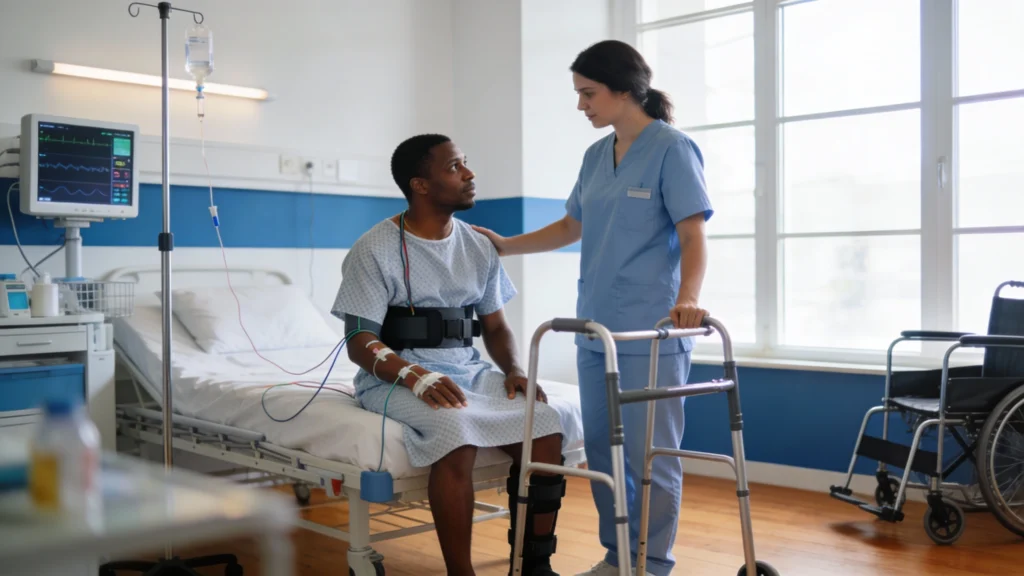
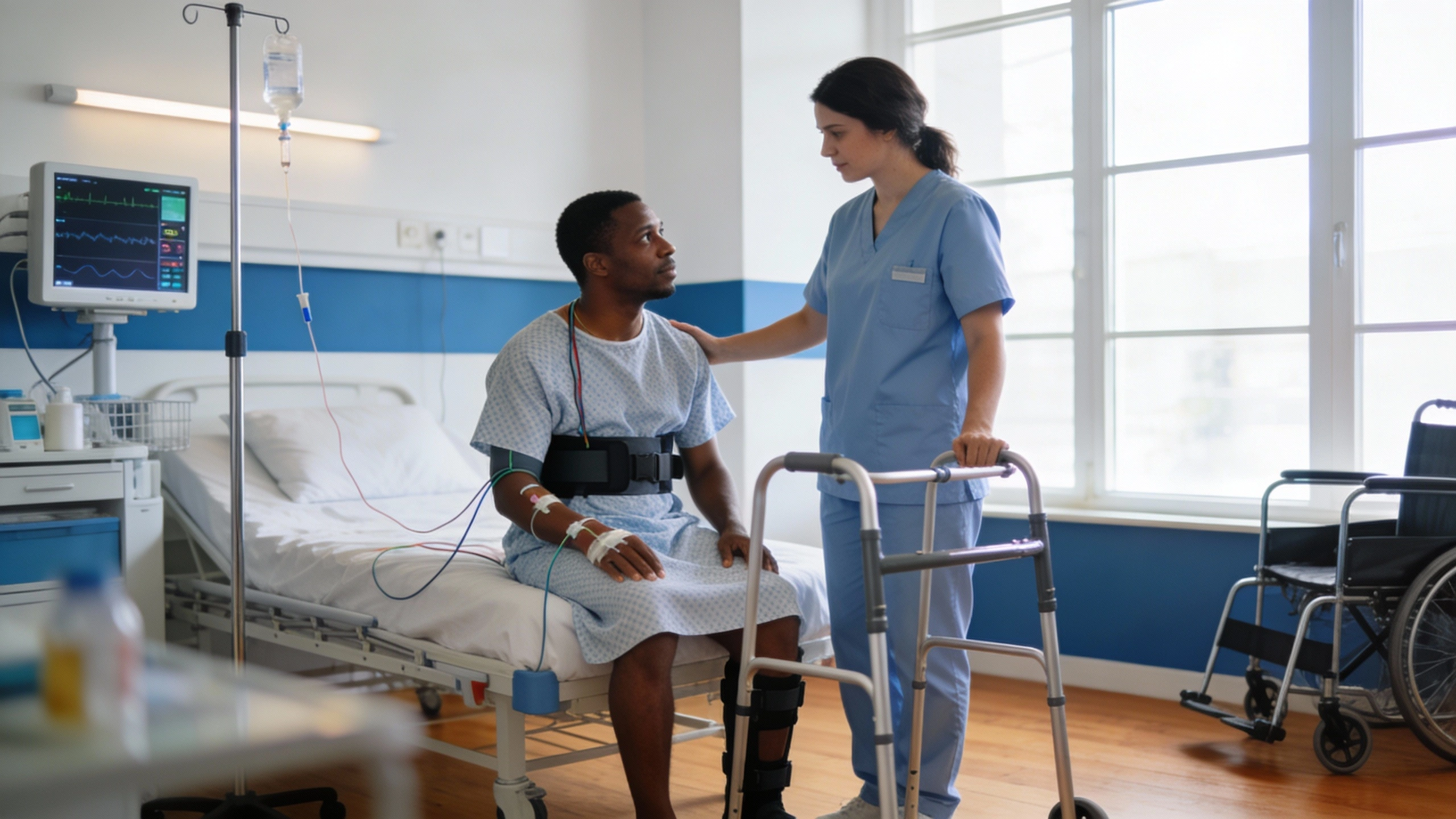
Common acute physical therapy interventions include walking with assistive devices, practicing transfers from bed to chair, and balance training in a small hospital therapy area. Therapists may use parallel bars, walkers, or simple chairs to challenge movement safely, always prioritizing fall prevention while gradually building the patient’s confidence and endurance.

Interventions in acute care physical therapy are designed to be brief, efficient, and adaptable to changing medical status. Sessions typically last 15–30 minutes, one to two times per day, depending on fatigue and vital signs. Instead of high-resistance training, therapists prioritize movement patterns needed for daily function, such as rolling, standing, and stepping, while monitoring heart rate, blood pressure, and oxygen saturation continuously.

Core Mobility and Breathing Interventions

Bed mobility training teaches patients to roll and sit up using segmental movements that protect surgical sites and reduce dizziness. Transfer practice—such as moving from bed to chair with a gait belt—builds confidence for toileting. Gait training may start with 10–20 feet using a rolling walker, progressing to 150 feet as tolerated. Breathing exercises, including incentive spirometry and diaphragmatic breathing, help prevent atelectasis in patients after abdominal or thoracic surgery.

Early walking of at least 50 feet, performed three times daily, has been associated with up to 30% shorter postoperative hospital stays in several orthopedic and abdominal surgery studies, largely due to reduced pulmonary and thrombotic complications.

Early Strengthening and Balance Work

Strengthening in acute care uses low loads and high frequency. Examples include straight leg raises, gluteal sets, and seated marching for 10–15 repetitions, two to three times per day. Balance exercises might involve standing with a wide base of support while lightly holding a walker, progressing to weight shifts. These targeted drills maintain neuromuscular activation, making later outpatient strengthening programs more effective and reducing fall risk during hospitalization.

4

What to Expect During an Acute Physical Therapy Evaluation

The initial acute care physical therapy evaluation usually lasts 30–45 minutes and combines interview, examination, and safe trial mobility. Therapists begin by reviewing your medical chart, imaging, lab values, and surgical notes to identify precautions such as weight-bearing limits or spinal restrictions. They then ask about prior function, home layout, and assistive devices, which strongly influence discharge recommendations and therapy goals.

What to Expect During an Acute Physical Therapy Evaluation

In the hospital, acute physical therapy goals are small but powerful: improving bed mobility, sitting balance, and the ability to stand or walk short distances. Therapists adapt exercises to pain, lines, and equipment, using simple leg and breathing activities to protect lungs, circulation, and muscle strength during the earliest stages of recovery.

Components of the Physical and Cognitive Assessment

During the exam, therapists measure strength using manual muscle testing grades from 0 to 5, assess joint range of motion with goniometers, and screen sensation using light touch. Balance is often evaluated with standardized tools like the 5-Times Sit-to-Stand test or gait speed over 4 meters. Brief cognitive screening checks orientation, ability to follow one- and two-step commands, and safety awareness, which are critical for independent mobility.

Functional Mobility and Safety Testing

Therapists observe how you move from lying to sitting, sitting to standing, and walking with or without devices. They document the level of assistance required—independent, supervision, contact guard, or moderate to maximal assist. Vital signs are checked before, during, and after activity; for example, they may pause if heart rate rises more than 20–30 beats per minute above baseline or oxygen saturation drops below 88–90%, adjusting intensity accordingly.

5
discharge planning

How Acute Physical Therapy Supports Safe Discharge Planning

Acute care physical therapy findings directly shape discharge planning, often more than the medical diagnosis itself. Two patients with the same hip fracture can require very different plans depending on whether they walk 150 feet with supervision or need two people to stand. Therapists share objective mobility data with case managers, physicians, and families to match post-hospital services with actual functional capacity.

How Acute Physical Therapy Supports Safe Discharge Planning

Linking Mobility Levels to Discharge Recommendations

To clarify options, therapists often translate test results into specific recommendations, such as home with intermittent assistance, inpatient rehabilitation, or skilled nursing. The table below illustrates how walking distance, assistance level, and stair ability can guide decisions. These criteria help avoid unsafe discharges that lead to falls, readmissions, or caregiver burnout within the first 72 hours at home.

Mobility StatusTypical Walking DistanceAssistance NeededCommon Discharge Plan
Independent walker150–300 feet without deviceStandby or noneHome, no therapy or outpatient PT 1–2x/week
Walker with supervision75–150 feet with rolling walkerSupervision, no liftingHome with home health PT 2–3x/week
Limited household ambulator25–75 feet, frequent restsContact guard or minimal assistInpatient rehab 3 hours therapy/day
Transfer only0–25 feet, unable to manage stairsModerate to maximal assistSkilled nursing facility with daily PT
Non-ambulatoryBed mobility onlyDependent for transfersSkilled nursing or long-term acute care

Therapists also recommend adaptive equipment, often overlapping with adaptive equipment occupational therapy, such as raised toilet seats, shower chairs, and bed rails. By trialing these devices in the hospital, they determine the exact height, width, and handle configuration needed, reducing the risk of purchasing unsuitable equipment that fails to support safe transfers and bathroom use at home.

6

Transitioning From Acute Physical Therapy to the Next Phase of Rehab

Transitioning From Acute Physical Therapy to the Next Phase of Rehab

Transitioning out of the hospital marks a shift from medically focused care to function-focused rehabilitation. Acute care physical therapy sets the foundation by stabilizing basic mobility, while the next phase—whether inpatient rehab, home health, or outpatient therapy—builds endurance and strength. The choice depends on objective measures like walking distance, stair tolerance, and the amount of help available at home.

Pathways After Hospital Discharge

Patients who can walk at least 150 feet, manage 4–8 stairs, and perform toileting with minimal help often go home with outpatient PT. Those needing close supervision for 25–75 feet of walking may receive home health PT two to three times weekly. Individuals requiring assistance from two people or unable to stand safely usually transition to inpatient rehab or skilled nursing for intensive daily therapy.

When acute care physical therapy hands off a detailed summary of gait distance, transfer ability, and endurance, the next-level therapist can progress treatment immediately, often saving one to two sessions of redundant re-evaluation.

Communication and Continuity of Care

Therapists provide written handoff notes describing successful strategies, such as specific cueing words, brace settings, or walker height in centimeters. They may also document recommended exercise starting loads, like 1–2 kilogram ankle weights or 5–10 minutes on a recumbent stepper. This continuity ensures that progress made in the hospital is not lost, and that safety precautions remain consistent across settings.

7

Patient and Family Tips to Get the Most From Acute Physical Therapy

Patients and families can significantly influence the success of acute care physical therapy by preparing questions, participating actively, and reinforcing exercises between visits. Many sessions last only 20–30 minutes, so using that time efficiently matters. Clear communication about pain, dizziness, or fear of falling allows therapists to adjust intensity while still challenging you enough to progress daily.

Patient and Family Tips to Get the Most From Acute Physical Therapy

Practical Ways to Participate Effectively

Simple strategies help maximize each session and support recovery between visits. The following tips focus on communication, preparation, and safe practice of exercises or walking when therapists are not present, always in coordination with nursing. Implementing even two or three of these behaviors consistently can noticeably improve walking distance and confidence by the time of discharge.

  • Keep a small notebook at the bedside to track walking distances, number of sits-to-stands, and questions for your therapist.
  • Request therapy sessions to be scheduled 30–45 minutes after pain medication, when movement is safer and more tolerable.
  • Ask your therapist to write or draw home exercises, including repetitions, sets, and frequency, to avoid forgetting details.
  • Practice simple exercises, like ankle pumps or seated marching, during TV commercials, aiming for 10–15 repetitions each break.
  • Have family observe at least one session so they learn safe guarding techniques, device use, and realistic assistance levels.

Families should also ask specifically about adaptive equipment occupational therapy recommendations, including grab bars, shower seating, and reachers. Clarifying which items are essential versus optional prevents overspending while ensuring safety. Before discharge, confirm you understand stair strategies, car transfers, and whom to call if mobility suddenly worsens, so the transition home feels structured rather than uncertain.

Face, Neck, Head, Body, Back & Foot Massager
For a Relaxing & Relieving Lifestyle
14-day money back guarantee
Lowest Prices: 365 Days Discount
Safe & Secure online payment
Contact Us

Massagers Mart © 2025. All Rights Reserved

Massagers Mart
Logo
Compare items
  • Total (0)
Compare
0
Shopping cart