Acupuncture Physical Therapy: An Integrative Rehabilitation Guide

Needle-based treatments and exercise therapy may seem worlds apart, yet many rehab clinics now blend them in one plan. Acupuncture physical therapy uses both targeted needling and movement-based rehabilitation to reduce pain, restore function, and shorten recovery times after injury or surgery.

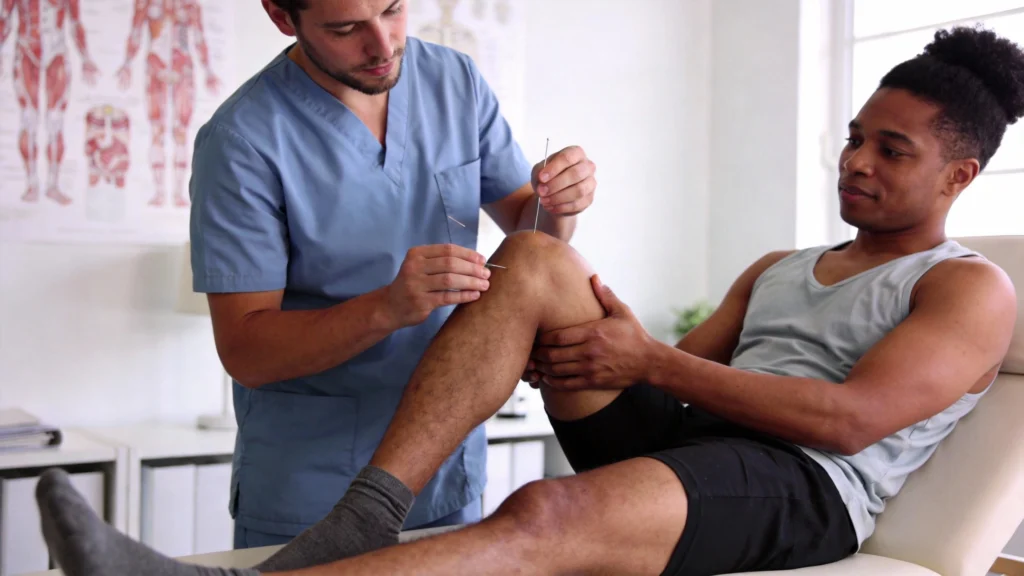
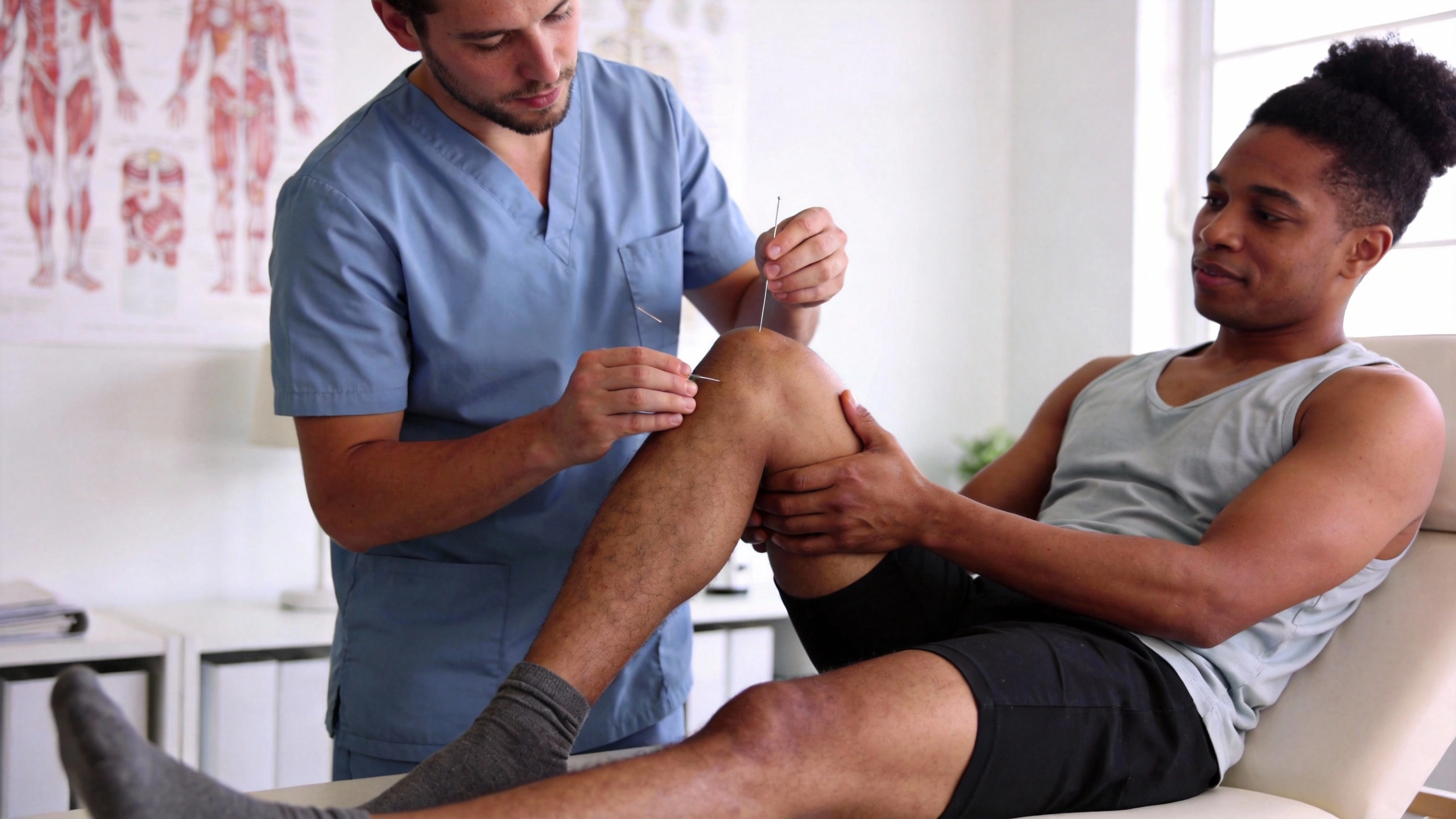
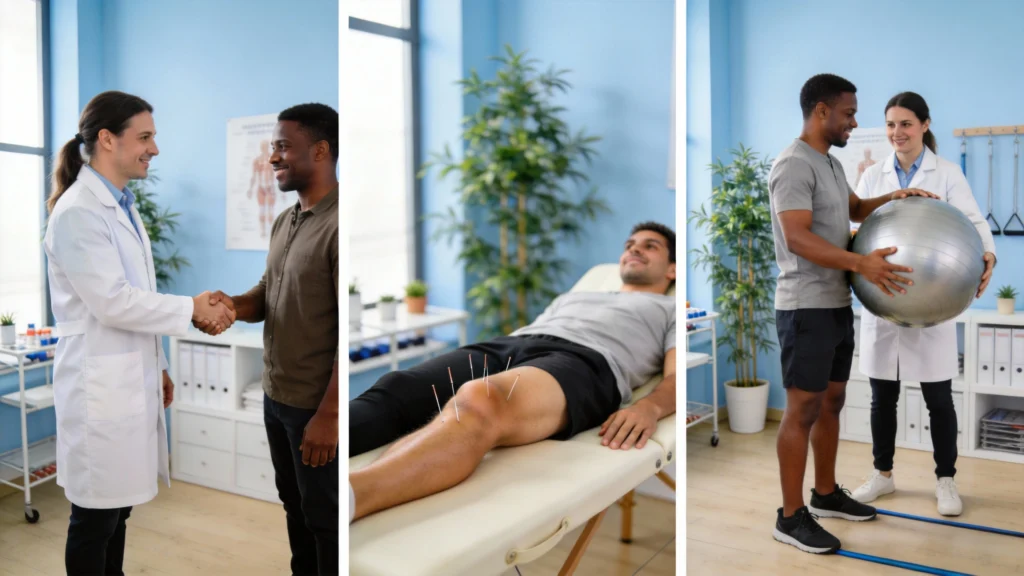
Acupuncture physical therapy combines traditional acupuncture techniques with evidence-based physical therapy to address pain, inflammation, and movement impairments together. A licensed therapist might place fine needles around painful joints, then immediately guide strengthening or mobility drills. This pairing aims to calm overactive nerves, reduce guarding, and make therapeutic exercise more tolerable, especially during acute physical therapy after injury or surgery.

Unlike standalone acupuncture, which often focuses on symptom relief, acupuncture physical therapy embeds needling within a structured rehab plan. Sessions typically follow measurable goals, such as walking 30 meters farther or lifting 2–3 kilograms more safely. By layering neuromodulation from acupuncture onto progressive loading, therapists try to influence both short-term pain and long-term tissue capacity.

Patients considering this option should understand how it fits with conventional modalities like manual therapy, electrotherapy, and therapeutic exercise. When coordinated well, acupuncture can reduce reliance on short-term pain medications, especially opioids, while still respecting surgical timelines and tissue healing phases. The following guide explains mechanisms, evidence, and practical expectations so patients and clinicians can decide when this integrative approach makes sense.

1
acupuncture physical therapy

What Is Acupuncture Physical Therapy and How Does It Work?

What Is Acupuncture Physical Therapy and How Does It Work?

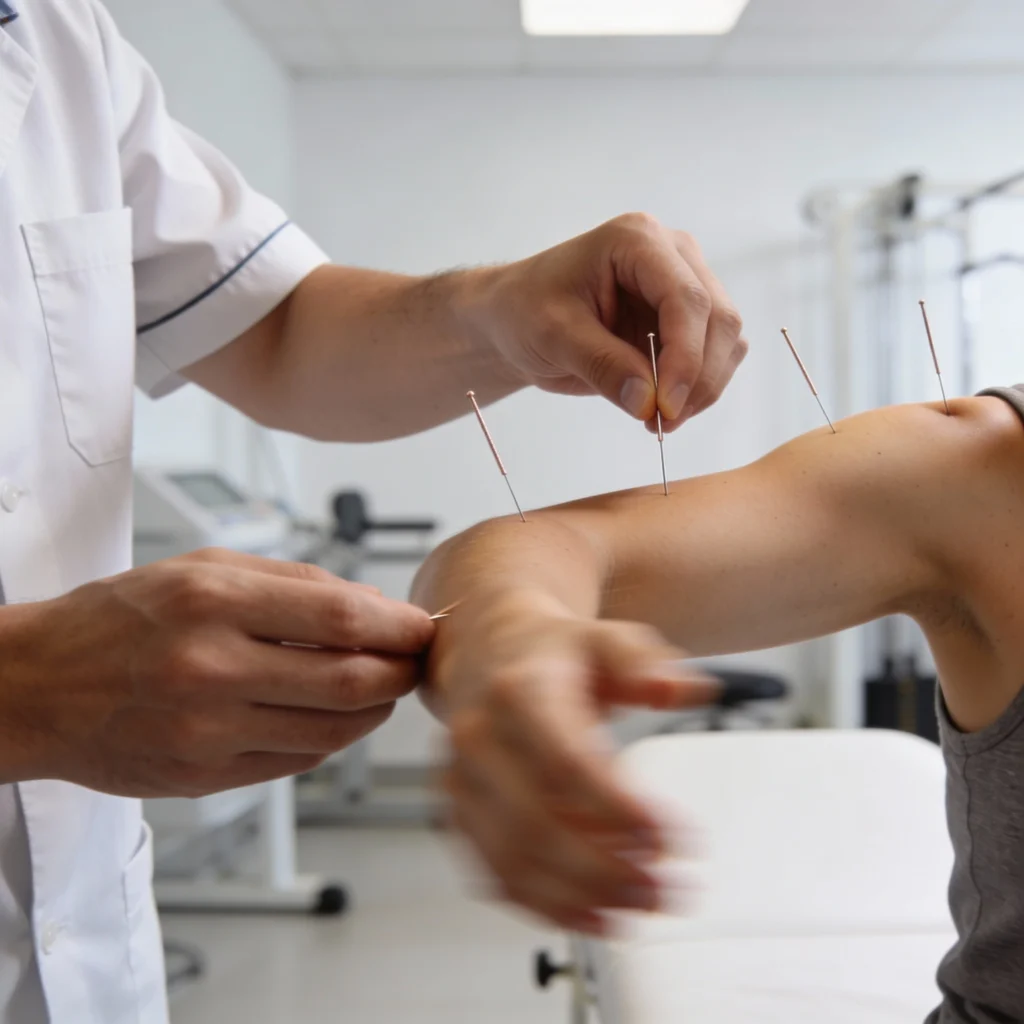
In acupuncture physical therapy, needling is woven directly into a structured rehab plan rather than used as a stand‑alone treatment. A therapist might place needles around a painful shoulder, then guide gentle mobility drills. This pairing targets both neuromodulation of pain and gradual restoration of strength, stability, and functional movement.

Acupuncture physical therapy is a treatment model where a licensed physical therapist uses acupuncture or dry needling alongside exercise, manual therapy, and education. The therapist may hold dual credentials in physical therapy and medical acupuncture, allowing them to integrate trigger-point needling, meridian-based points, and joint mobilizations in a single 45–60 minute session tailored to specific functional goals.

How It Differs From Standalone Acupuncture or Standard PT

Standalone acupuncture often centers on symptom patterns and traditional meridian theory, while standard PT emphasizes biomechanics, strength, and movement retraining. Acupuncture physical therapy deliberately merges both. For example, a therapist might needle L4–L5 paraspinals and gluteus medius, then immediately coach hip abduction drills. This sequencing leverages temporary pain reduction to increase exercise intensity without exceeding tissue load tolerance.

Mechanisms: Neuromodulation, Circulation, and Motor Control

Thin needles (typically 0.20–0.30 mm diameter, 25–50 mm length) stimulate sensory fibers, influencing spinal cord gating and descending inhibitory pathways. Research shows local endorphin release and changes in limbic activity within 15–30 minutes. By reducing hyperalgesia and muscle spasm, acupuncture can improve joint excursion by 5–15 degrees, allowing more precise motor control training during the same acute care physical therapy visit.
2
physical therapy

Conditions Commonly Treated With Acupuncture Physical Therapy

Clinics use acupuncture physical therapy across musculoskeletal, neurologic, and chronic pain populations. It is frequently seen in outpatient orthopedics, sports medicine, and some hospital-based acute physical therapy programs. The shared goal is to pair pain modulation with progressive loading, so patients can tolerate functional tasks such as stair climbing, transfers, or overhead reaching earlier in their rehabilitation timeline.

Conditions Commonly Treated With Acupuncture Physical Therapy

During a typical session, you can expect an initial assessment, goal setting, and a clear plan that links acupuncture with targeted exercises. After needles are placed around the painful area, the therapist may progress you through mobility or strengthening drills, adjusting intensity based on comfort, function, and measurable rehab goals.

Musculoskeletal and Sports Injuries

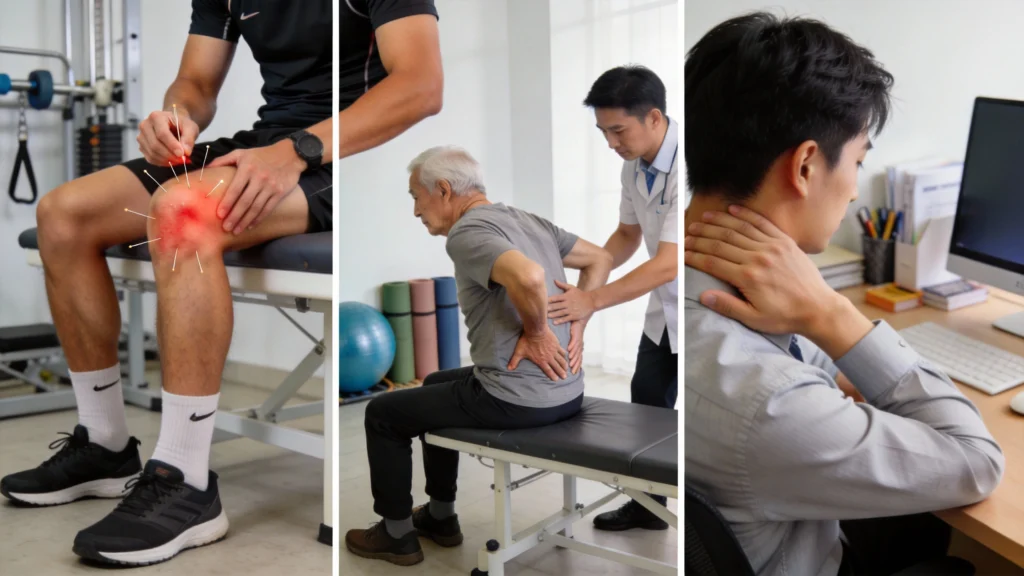
Common indications include lumbar radiculopathy, rotator cuff tendinopathy, patellofemoral pain, and post-surgical knee stiffness after ACL reconstruction. Needling periarticular tissues and myofascial trigger points may reduce nociceptive input by 20–40% on visual analog scales. Therapists then introduce eccentric loading, closed-chain drills, and balance work within the same session, reinforcing normalized movement while the nervous system is less reactive.

Neurologic and Chronic Pain Syndromes

Patients with stroke-related spasticity, peripheral neuropathy, or complex regional pain syndrome may also benefit when acupuncture is combined with task-specific training. Needling can temporarily decrease spasticity scores on the Modified Ashworth Scale by one grade, enabling more effective gait or upper-limb practice. For chronic low back pain exceeding three months, integrated protocols often include graded exposure, breathing retraining, and cognitive reassurance alongside targeted acupuncture.

3

Evidence and Safety of Acupuncture Physical Therapy in Rehabilitation

Evidence and Safety of Acupuncture Physical Therapy in Rehabilitation

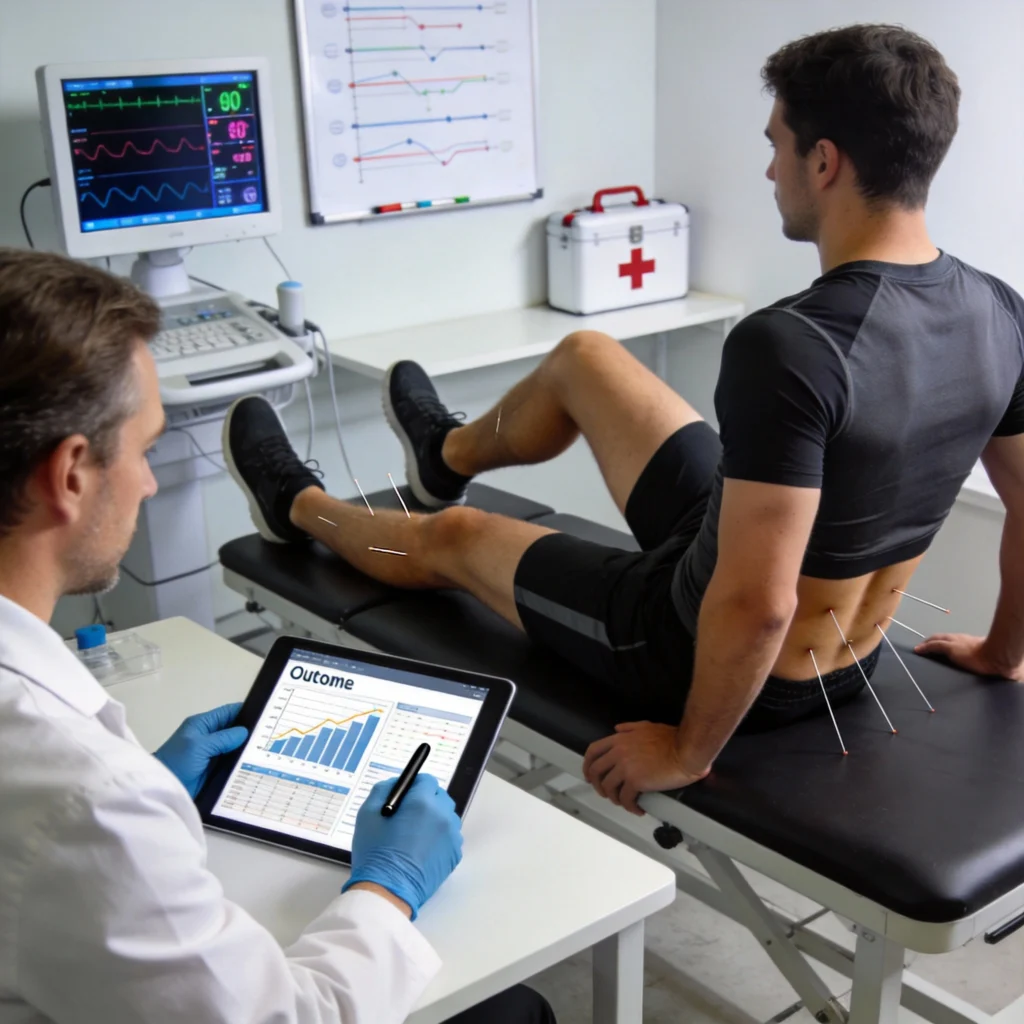
Evidence for acupuncture in rehabilitation continues to grow, especially for short‑term pain relief and improved tolerance of exercise. In practice, therapists monitor outcomes such as walking distance, strength gains, and pain scores. Safety is prioritized through sterile needles, careful screening, and close observation during combined needling and movement-based interventions.

Research on acupuncture physical therapy spans randomized trials, systematic reviews, and pragmatic clinic studies. While effect sizes vary, many analyses show small-to-moderate improvements in pain and function when acupuncture is added to standard PT. Benefits are most consistent for chronic low back pain, knee osteoarthritis, and neck pain, particularly when treatment extends for at least six to eight sessions over four to six weeks.

Research Findings and Clinical Outcomes

Meta-analyses report average pain reductions of 1.2–2.0 points on 0–10 scales when acupuncture is combined with exercise versus exercise alone. Functional outcomes such as the Oswestry Disability Index or WOMAC scores often improve by 10–15%, exceeding minimal clinically important differences. These gains appear larger when therapists individualize point selection and integrate needling with progressive strengthening rather than providing acupuncture as a stand-alone modality.

Well-designed trials suggest acupuncture enhances short-term pain relief and medium-term function when layered onto active rehabilitation, but it does not replace graded loading, patient education, or long-term self-management strategies.

Safety Profile, Contraindications, and Guidelines

Adverse events are usually minor: brief bleeding in 5–10% of insertions, bruising, or transient soreness lasting under 48 hours. Serious complications such as pneumothorax occur in fewer than 1 per 100,000 treatments when performed by trained clinicians. Contraindications include uncontrolled anticoagulation (INR above 3.0), local infection, and needling over unhealed surgical sites. Professional bodies recommend informed consent, single-use sterile needles, and clear documentation of indications.

4

What to Expect in an Acupuncture Physical Therapy Session

A typical acupuncture physical therapy visit lasts 40–60 minutes and begins with a focused history and movement screen. Therapists review pain distribution, aggravating tasks, sleep quality, and prior imaging. They also test joint range, strength using manual muscle testing or handheld dynamometers, and functional tasks such as sit-to-stand or single-leg balance, creating a baseline for tracking progress over four to eight sessions.

What to Expect in an Acupuncture Physical Therapy Session

This integrative approach is commonly used for musculoskeletal conditions such as knee osteoarthritis, low back pain, neck strain, and post‑surgical stiffness. By addressing pain, inflammation, and movement impairments together, acupuncture physical therapy can support people with sports injuries, chronic joint problems, and work‑related strain as they return to everyday activities.

Session Flow, Techniques, and Patient Experience

After assessment, the therapist explains the plan, including target regions, needle depth (often 10–30 mm), and expected sensations like dull ache or twitch response. Needling may last 10–20 minutes, sometimes with gentle manual stimulation or low-frequency electroacupuncture around 2–10 Hz. Immediately afterward, patients perform tailored exercises, such as step-downs, scapular control drills, or core stabilization, capitalizing on temporarily reduced pain sensitivity.

Typical Components of an Integrative Visit

  • Brief reassessment of pain, range, and function using 0–10 scales and simple movement tests before any needles.
  • Targeted acupuncture or dry needling to 6–20 points, depending on region size and patient tolerance that day.
  • Manual therapy such as joint mobilizations or soft-tissue techniques for 5–10 minutes to address stiffness.
  • Therapeutic exercise block of 15–25 minutes, progressing load, repetitions, or complexity based on symptoms.
  • Education on home program, pacing, and red-flag symptoms, usually summarized in written or digital form.
5

Integrating Acupuncture Physical Therapy Into Conventional Rehab Plans

Integration begins by mapping acupuncture sessions onto existing rehabilitation timelines, from acute care physical therapy in hospitals to outpatient sports programs. In early post-operative phases, therapists may use gentle needling away from incisions to modulate pain while prioritizing safe range-of-motion drills. As healing progresses, the emphasis shifts toward higher-load strengthening, plyometrics, or return-to-sport tasks supported by intermittent acupuncture.

Integrating Acupuncture Physical Therapy Into Conventional Rehab Plans

Coordinating Modalities Across Stages of Care

During acute hospitalization, sessions might focus on pain control to enable basic mobility goals such as walking 30–50 meters with assistance. In subacute phases, acupuncture is scheduled before intensive gait or balance training, reducing reliance on short-acting analgesics. Later, frequency tapers from two visits weekly to once every one to two weeks, while home exercise volume increases to 20–30 minutes daily, emphasizing independence.

Example Rehab Pathways Using Acupuncture

  • Post-ACL reconstruction: early sessions target quadriceps inhibition, then support progressive squats, step-downs, and jogging drills.
  • Chronic neck pain: cervical paraspinal needling precedes deep neck flexor training and scapular stabilization exercises with elastic bands.
  • Lumbar radiculopathy: nerve-root level needling accompanies directional preference exercises such as repeated extensions or flexion bias.
  • Shoulder impingement: rotator cuff trigger-point work supports gradual overhead reaching and 1–3 kilogram resistance strengthening.
6

Choosing a Qualified Acupuncture Physical Therapy Provider

Provider training varies widely, so verifying credentials is crucial for safety and results. Many physical therapists complete 40–100 hour dry needling courses, while some pursue 200–300 hour acupuncture certifications or full 3–4 year programs in traditional East Asian medicine. Ideally, your clinician combines advanced needling education with orthopedic or neurologic specialization and at least two years of direct patient-care experience.

Choosing a Qualified Acupuncture Physical Therapy Provider

Training, Certifications, and Verification Steps

Look for licenses through your state physical therapy board plus additional acupuncture or dry needling credentials from recognized organizations. In the United States, some therapists hold certifications from the American Academy of Manipulative Therapy or complete APTA-approved courses. Verifying malpractice coverage that explicitly includes needling procedures and confirming annual continuing-education hours above the minimum 20–30 hour requirement adds another layer of reassurance.

Key Questions to Ask Before Starting

QuestionWhat to Listen ForTypical RangeWhy It Matters
Needling experienceYears using acupuncture within PT practice2–10 yearsGreater experience often correlates with safer, more efficient treatments.
Session lengthTotal time including exercise and education40–60 minutesShorter visits may limit integration with active rehabilitation.
Cost per sessionOut-of-pocket rate for combined service$90–$180 USDHelps plan affordability over 6–10 visits.
Insurance coverageWhether needling is billed under PT codesVaries by insurerDetermines reimbursement and expected copays.
Outcome trackingUse of standardized scales and goalsEvery 2–4 weeksEnsures treatment effectiveness and timely adjustments.

Transparent answers build trust and clarify expectations. A competent provider explains risks, alternatives, and how acupuncture fits within your broader rehab plan. They should welcome collaboration with surgeons, primary physicians, and occupational therapists, especially when managing complex neurologic conditions, multi-joint pain, or post-intensive-care weakness transitioning from hospital-based acute physical therapy to outpatient services.

7

Is Acupuncture Physical Therapy Right for You?

Determining fit involves weighing diagnosis, goals, medical history, and tolerance for needles. Candidates often include people whose pain limits participation in exercise-based therapy despite appropriate imaging and medical workup. Those recovering from orthopedic surgery, recurrent sports injuries, or chronic spine pain longer than three months may find that integrative approaches reduce flare-ups enough to maintain consistent training volume.

Is Acupuncture Physical Therapy Right for You?

Decision Factors, Costs, and Red Flags

Consider whether you can commit to one to two visits weekly for four to six weeks and perform daily home exercises. Out-of-pocket costs can reach $400–$1,000 over a treatment block if insurance reimburses only standard PT codes. Red flags requiring medical clearance include unexplained weight loss, night pain, progressive neurologic deficits, or anticoagulant use, which may alter needling depth, locations, or overall suitability.

Discussing Options With Your Healthcare Team

  • Share specific functional goals, such as walking 500 meters or lifting 10 kilograms for work, not only pain scores.
  • Ask your surgeon or physician whether acupuncture is appropriate at your healing stage, particularly after recent procedures.
  • Clarify which outcomes will signal success within four to six sessions, such as 30% pain reduction or task milestones.
  • Request coordination between physical and occupational therapy when upper-limb function or daily activities are affected.
  • Reassess after the initial treatment block, deciding whether to continue, taper, or shift focus based on objective progress.
Face, Neck, Head, Body, Back & Foot Massager
For a Relaxing & Relieving Lifestyle
14-day money back guarantee
Lowest Prices: 365 Days Discount
Safe & Secure online payment
Contact Us

Massagers Mart © 2025. All Rights Reserved

Massagers Mart
Logo
Compare items
  • Total (0)
Compare
0
Shopping cart