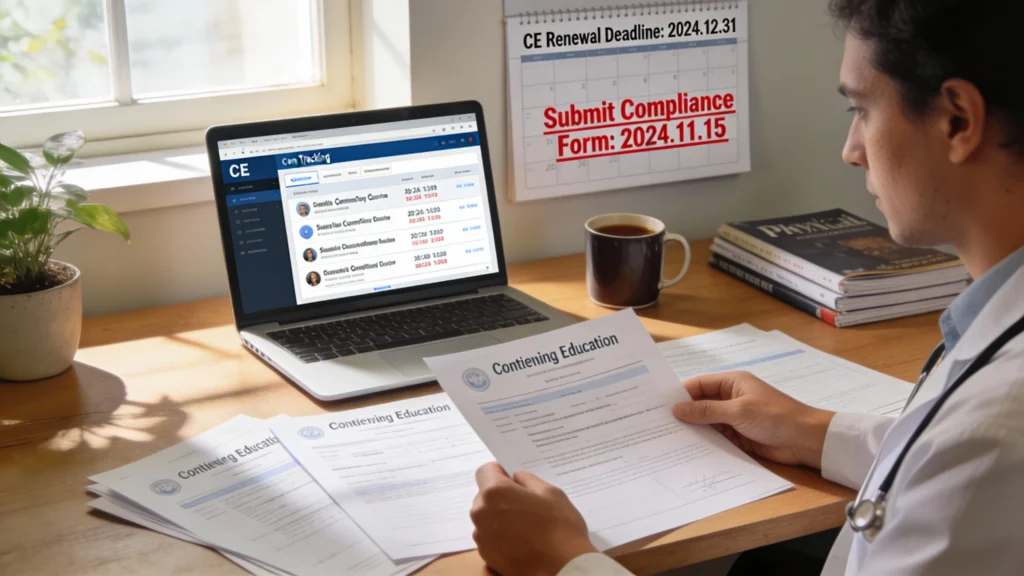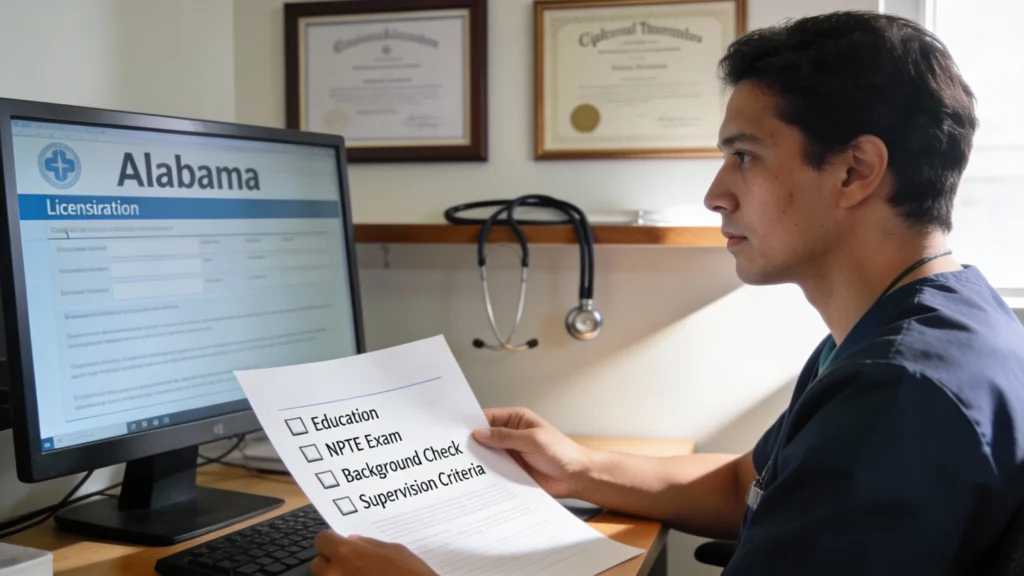


The Alabama Board of Physical Therapy functions as both gatekeeper and watchdog for the profession. Board members interpret statutes, adopt rules, and review complaints to protect the public. Their decisions define acceptable practice, clarify gray areas, and set expectations that every licensed PT and PTA must follow in day-to-day patient care.
The Alabama Board of Physical Therapy is a seven-member regulatory body created under the Alabama Physical Therapy Practice Act, codified in Title 34, Chapter 24 of the Alabama Code. Appointed members include licensed PTs, PTAs, and one consumer representative. Their statutory authority allows them to issue licenses, adopt rules, investigate complaints, and impose sanctions to protect public health and safety.
Statutory Authority and Core Functions
The Board enforces state law by promulgating administrative rules, typically published in the Alabama Administrative Code and updated every few years after public hearings. These rules cover licensure qualifications, continuing competence, and professional conduct. By monitoring compliance through audits and complaint investigations, the Board can suspend, revoke, or restrict licenses, ensuring only qualified professionals deliver skilled physical therapy services statewide.
How the Board Impacts Daily Clinical Practice
Board decisions shape everyday practice details, such as how many PTAs a PT may supervise, what tasks unlicensed aides can perform, and how quickly evaluations must occur after referrals. For example, supervision standards may require documented weekly case conferences or on-site availability within specific time frames. Understanding these expectations lets clinics design staffing models, visit templates, and documentation workflows that align with regulatory requirements instead of reacting after a compliance problem surfaces.