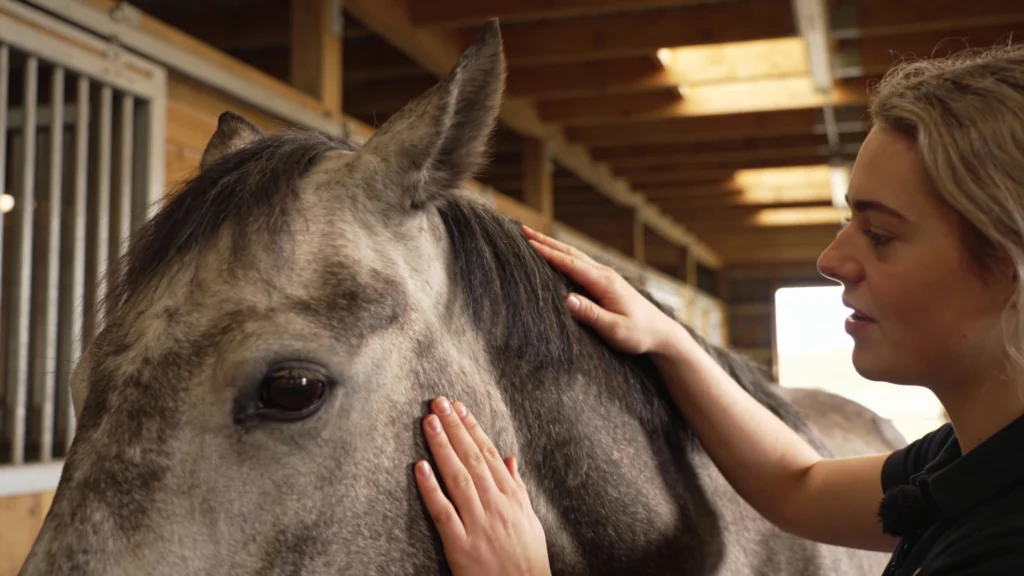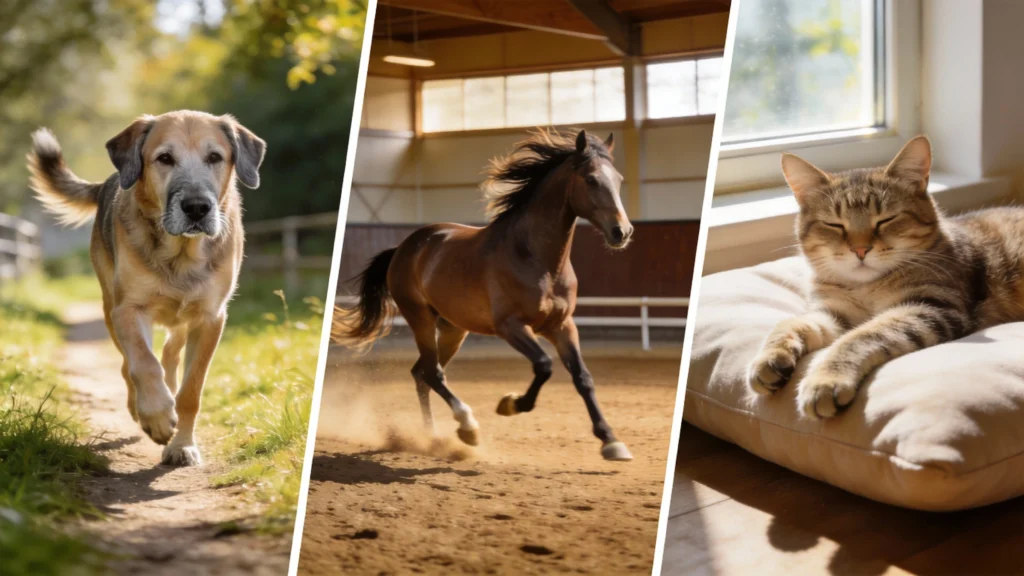
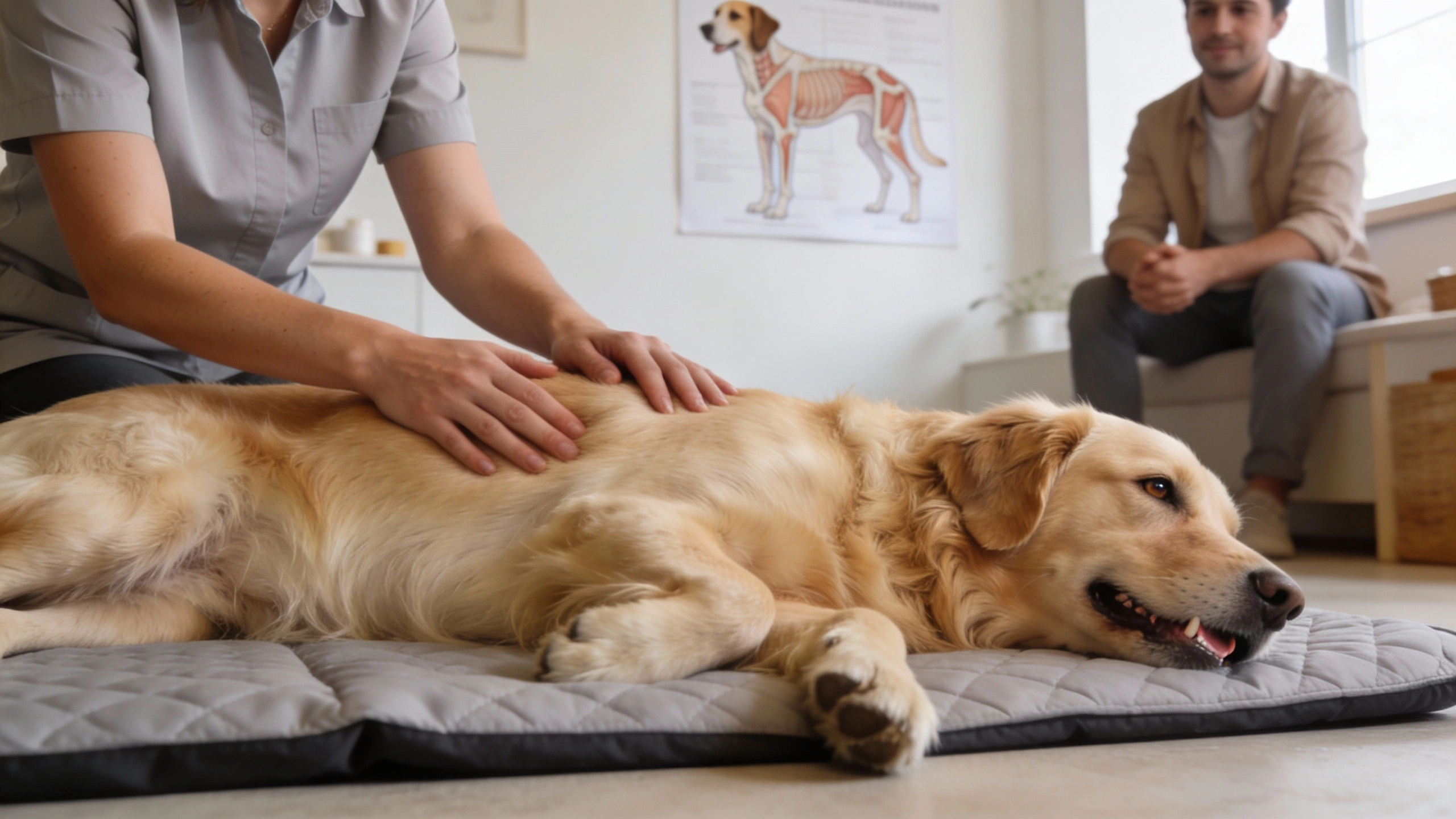
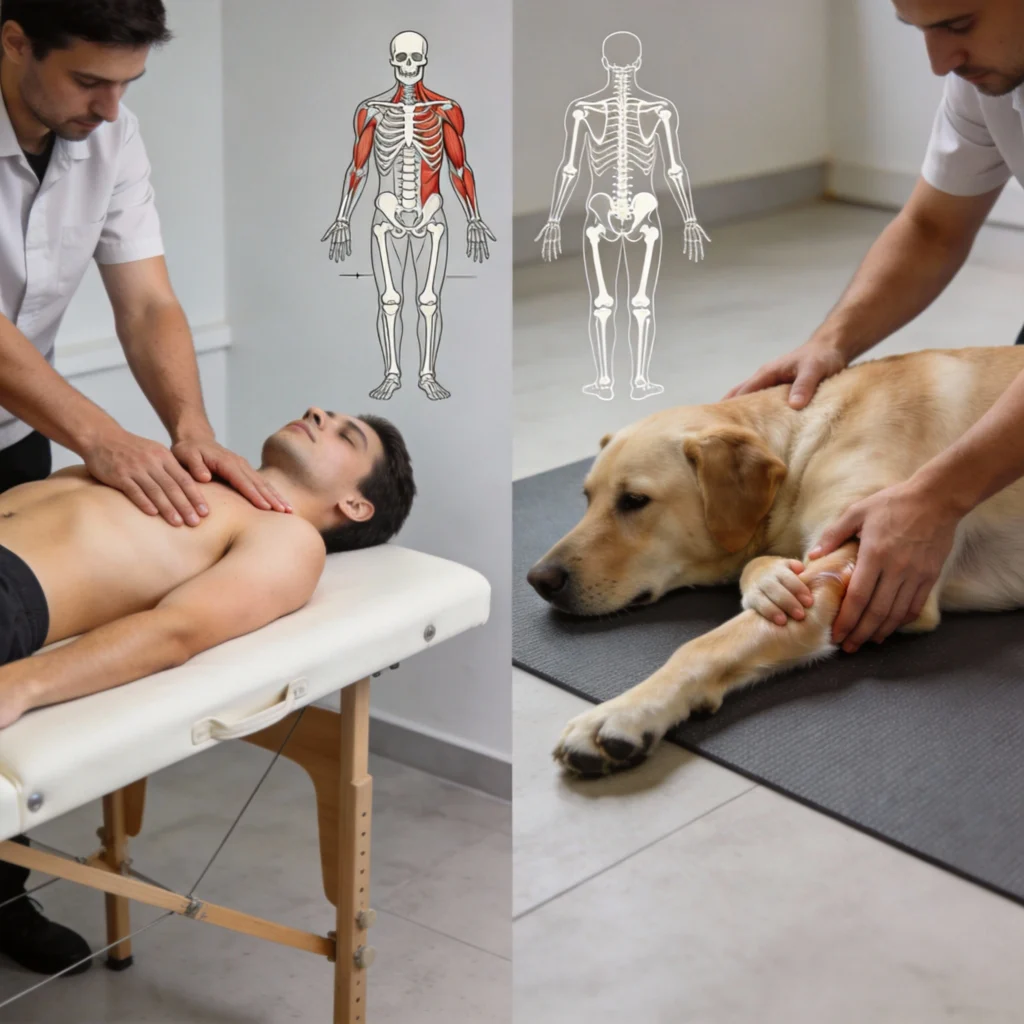
While human and animal massage share core principles of touch and relaxation, animal massage is tailored to species-specific anatomy and movement patterns. Practitioners adapt pressure, hand placement, and positioning to the animal’s skeletal structure and gaits, always reading subtle body language cues rather than relying on verbal feedback during the session.
Animal massage therapy is structured, therapeutic touch applied to muscles, fascia, and joints of non‑human species to improve comfort and function. Practitioners adapt techniques like effleurage, petrissage, friction, and passive stretching to four‑legged anatomy. Unlike spa massage for humans, animal work emphasizes movement efficiency, pain modulation, and behavior changes that affect daily activities such as jumping into cars or picking up canter leads.
Scope of Practice and Techniques
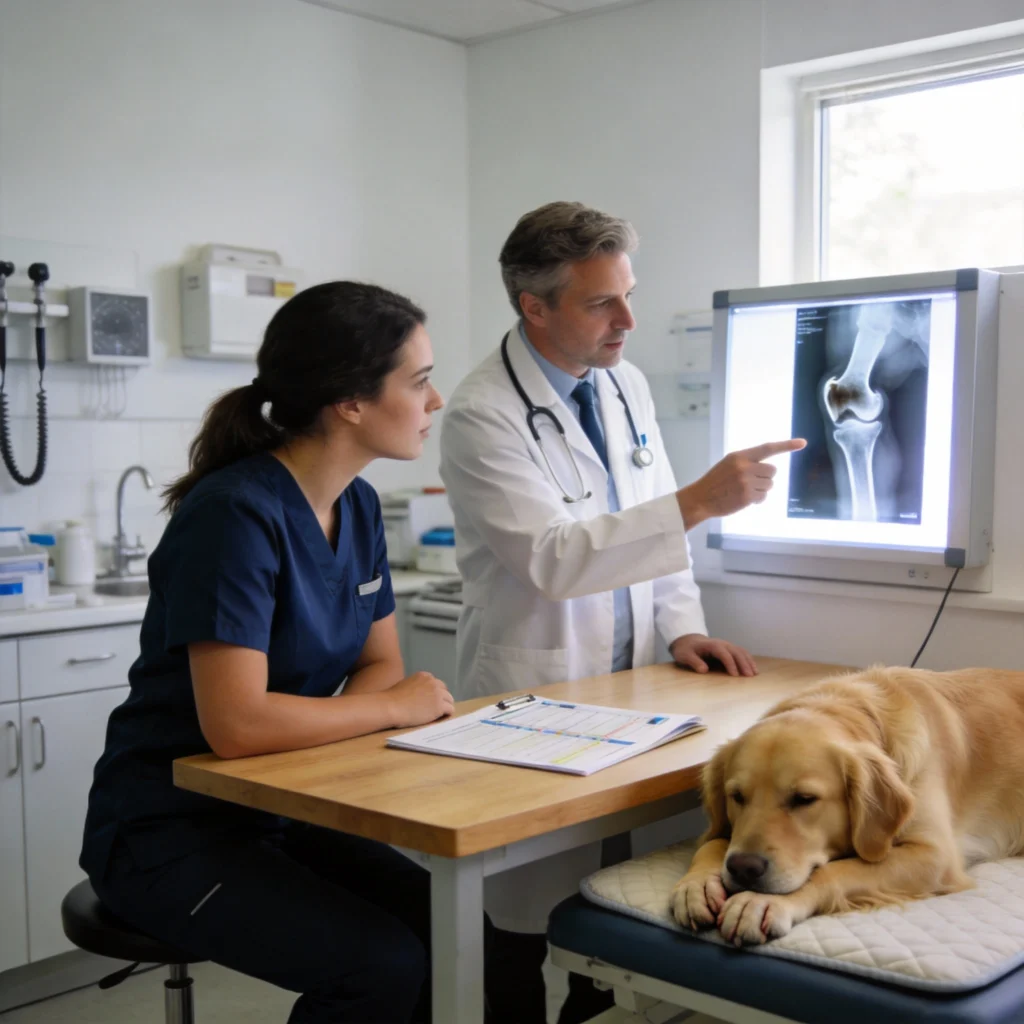
Animal massage practitioners focus on soft tissues and joint mobility without diagnosing disease or prescribing medications. A session may include 5–10 minutes of observation at walk and trot, then 30–60 minutes of targeted work along specific muscle chains. Techniques are modified for coat thickness, skin mobility, and species‑specific vulnerabilities, like equine lumbar strain or canine iliopsoas tightness after repeated agility contacts.
Key Differences from Human Massage
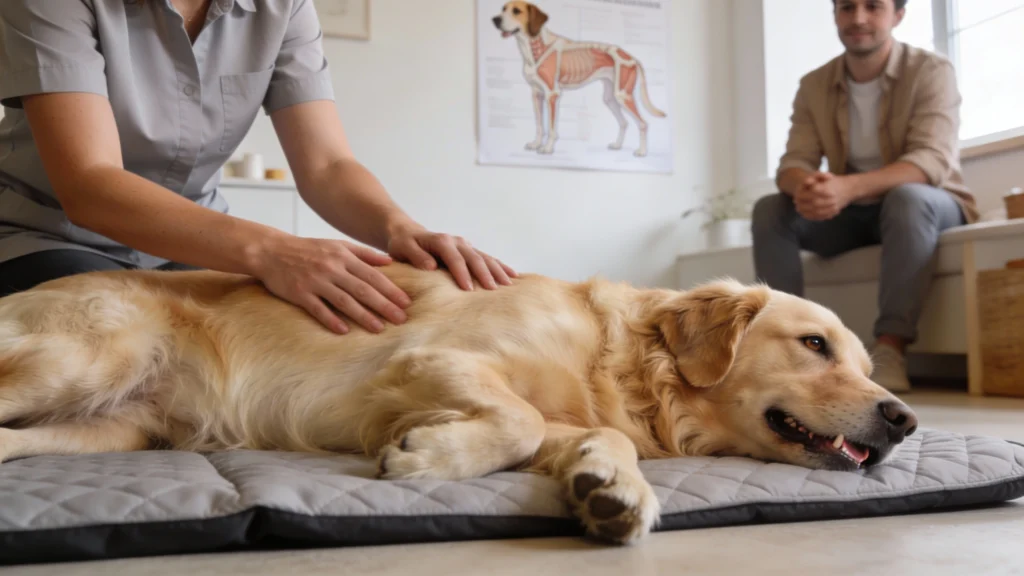
Human massage therapists communicate verbally, use informed consent forms, and commonly work on stationary tables. In contrast, animal sessions often occur in barns or living rooms, with the animal standing or lying on mats for better traction. Practitioners must read micro‑signals—lip licking, yawning, or shifting weight—to gauge pressure levels, because animals cannot articulate that an area feels numb, sharp, or radiating like human clients can.