Best Foot Massager for Circulation: Improve Blood Flow in Feet and Legs

Cold toes, tight calves, and heavy legs can quietly drain your energy every day. When circulation slows, even short walks or standing at a desk can leave your feet throbbing. A targeted, best foot massager for circulation offers a practical way to stimulate blood flow at home, easing tension and supporting overall leg comfort.

Poor circulation in the feet and lower legs often shows up long before a diagnosis, with nagging symptoms like numbness, swelling, and cramping. The best foot massager for circulation uses controlled pressure, kneading, and heat to mimic the pumping action of muscles, pushing blood and lymph fluid back toward the heart. Consistent use can complement medical treatment and lifestyle changes.

These devices do not replace professional care, especially for diabetes or vascular disease, but they can bridge the gap between clinic visits. By understanding how different technologies work, you can match your symptoms and daily routine with a device that supports healthier circulation rather than just providing short-term relaxation.

Choosing between foot-only units, ankle massager designs, and full calf sleeves matters more than brand names alone. Features like adjustable compression levels, angled footbeds, and timed sessions determine whether a device gently boosts venous return or simply feels pleasant. The sections below walk through mechanisms, warning signs, and safe ways to build a circulation-focused massage routine.

1
best foot massager for circulation

How the Best Foot Massager for Circulation Works on Feet and Lower Legs

How the Best Foot Massager for Circulation Works on Feet and Lower Legs

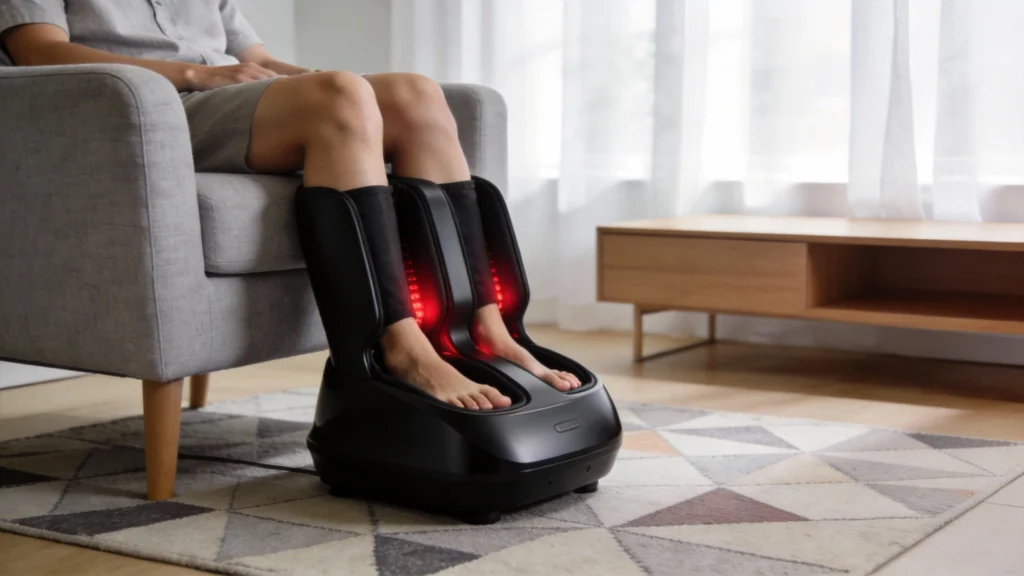
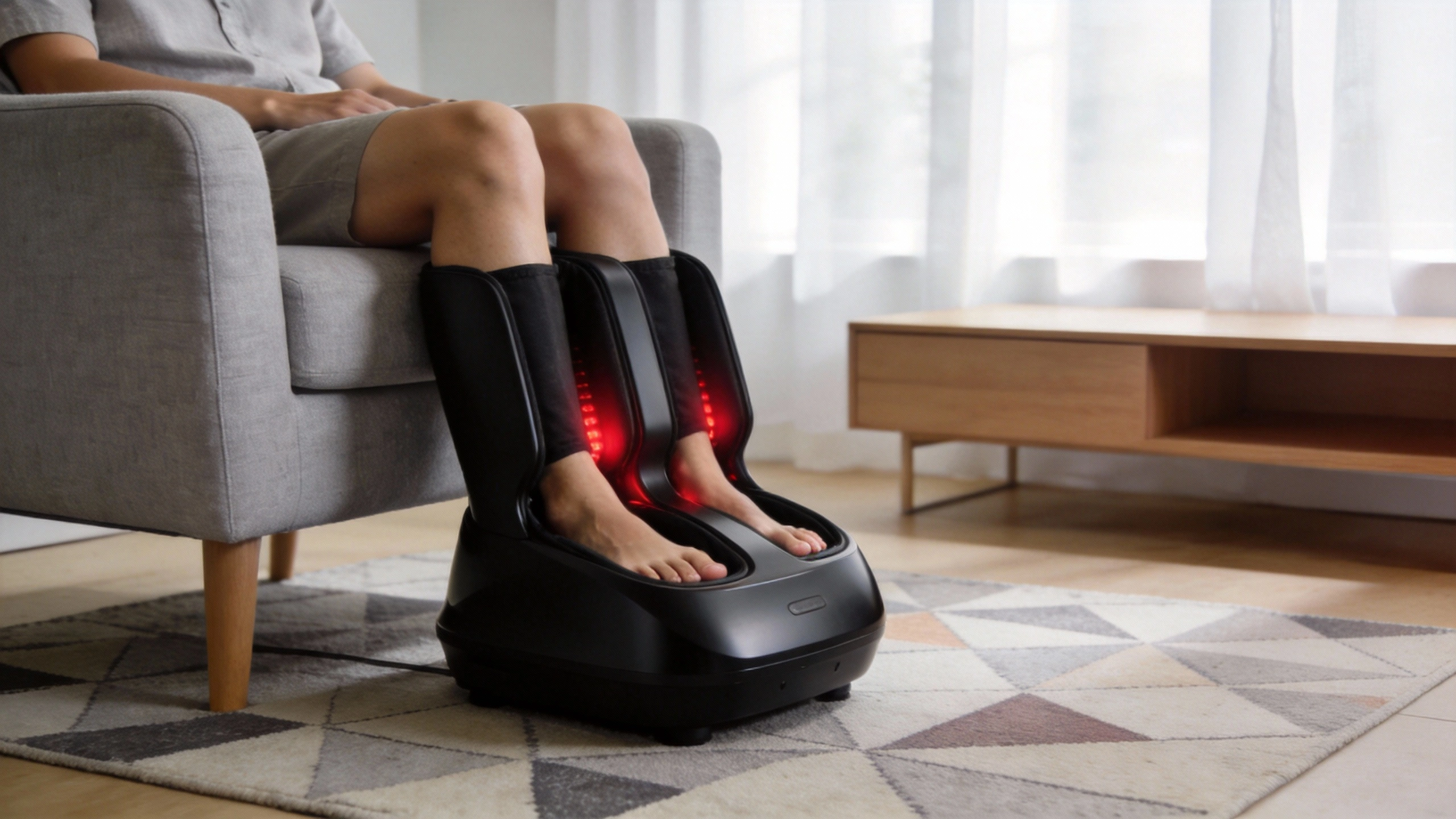
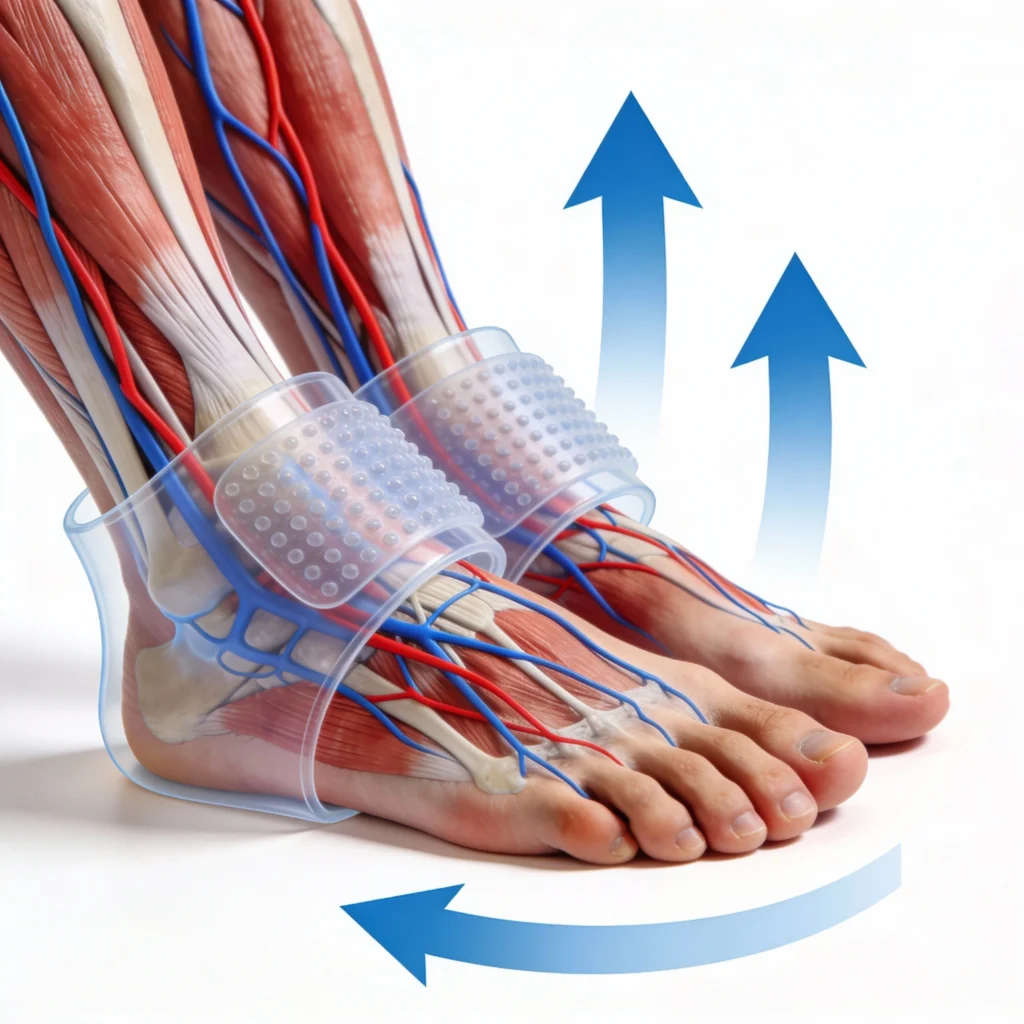
A circulation-focused foot massager works by applying rhythmic pressure and kneading to the soles, ankles, and calves, much like active muscle contractions. This pumping action helps move blood and lymph fluid upward, reducing stagnation in the lower legs and supporting healthier circulation when used consistently alongside other lifestyle changes.

The best foot massager for circulation targets three key structures: the plantar fascia, ankle joint, and calf muscle pump. When rollers knead the soles, they compress small veins and capillaries, briefly restricting flow before releasing it, which encourages fresh blood to rush in. Air compression sleeves around the ankles and calves squeeze deeper veins, helping push blood against gravity toward the heart.

Mechanisms: Kneading, Compression, Vibration and Heat

Kneading rollers typically move at 20–40 rotations per minute, pressing into arches and heels with 2–5 kilograms of force. This rhythmic pressure stimulates mechanoreceptors and encourages vasodilation, widening small vessels. Air compression chambers inflate in cycles of 10–30 seconds, applying 30–120 mmHg pressure, similar to medical compression stockings, which supports venous return without cutting off arterial inflow.

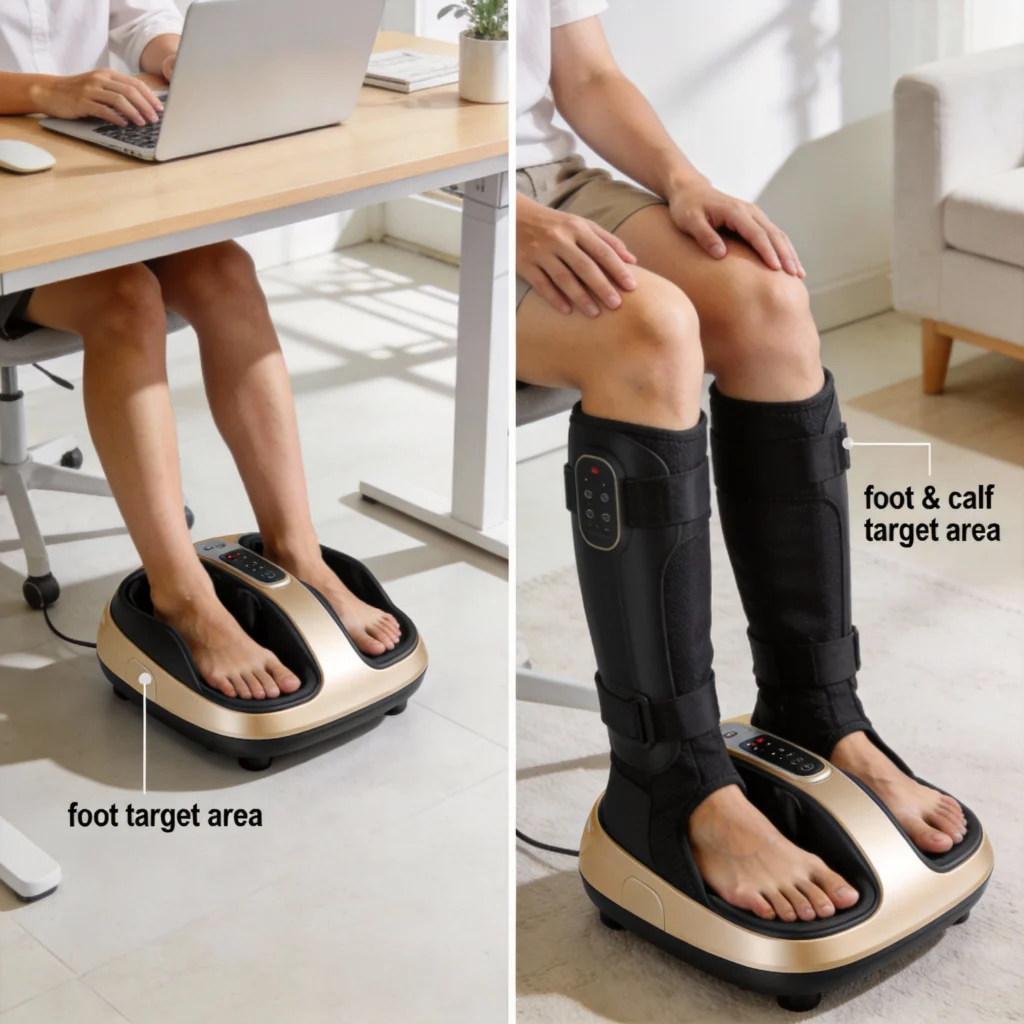
Targeting Feet, Ankles and Calves Together

Integrated systems that combine a foot cradle with an ankle massager or calf wrap act on the entire lower-limb chain. When calf muscles are squeezed, venous blood volume in the lower leg can drop by 30–40% per cycle, reducing pooling. Adding gentle heat around 40–45°C improves tissue elasticity, allowing vessels and fascia to respond more readily to mechanical stimulation without provoking protective muscle guarding.
2

Signs You Might Need the Best Foot Massager for Circulation Support

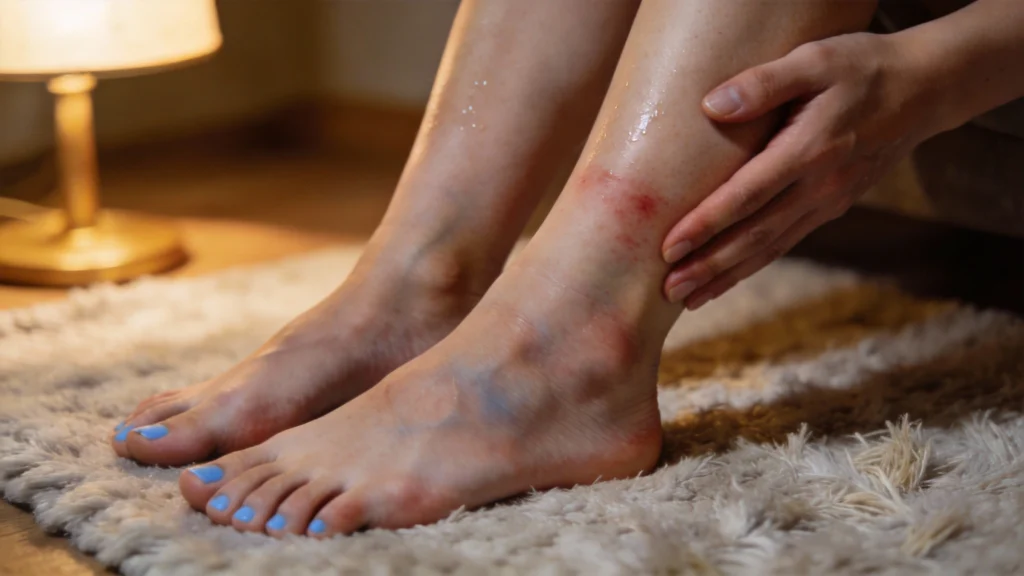
Circulation problems rarely appear overnight; they develop gradually as veins weaken, muscles stiffen, or metabolic conditions progress. Recognizing early warning signs helps you use a best foot massager for circulation proactively, not just when pain becomes severe. Paying attention to patterns over weeks—rather than isolated bad days—can reveal whether your feet and calves are struggling with blood flow.

Signs You Might Need the Best Foot Massager for Circulation Support

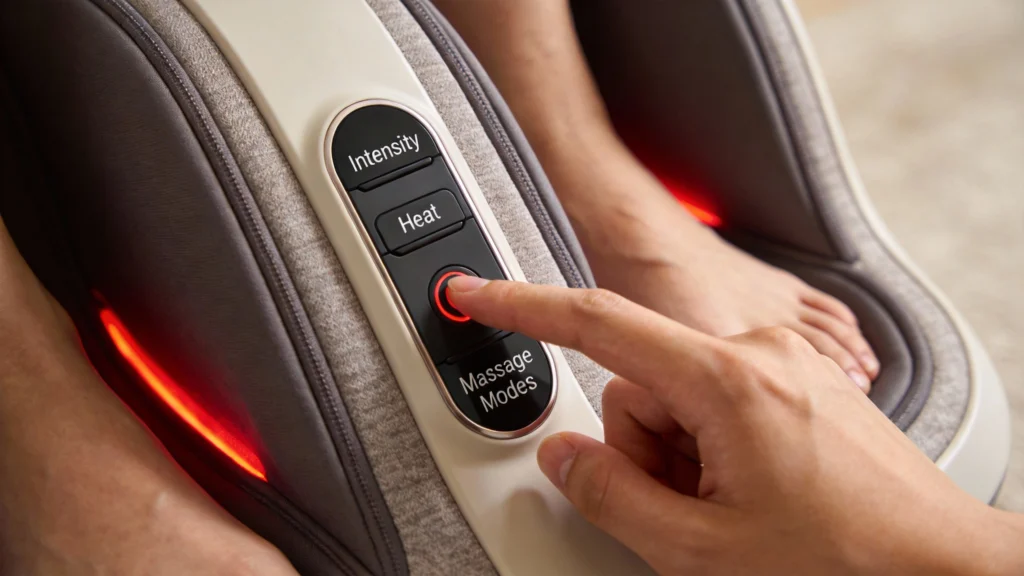
When comparing foot massagers for circulation, look closely at features that affect comfort and effectiveness. Adjustable intensity, optional heat, multiple massage modes, and calf coverage can make it easier to tailor each session to your needs. A well-designed control panel lets you fine-tune pressure without straining or interrupting your relaxation.

Common Symptoms of Sluggish Circulation

Cold feet that persist even in warm rooms suggest reduced arterial inflow or excessive vasoconstriction in small vessels. Swelling around the ankles after sitting for 60–90 minutes often reflects venous pooling and lymphatic congestion. Heaviness or tightness in the calves when climbing stairs points to an overworked muscle pump, especially if symptoms ease after elevating the legs for 15–20 minutes.

When coldness, swelling, or tingling ease noticeably after 15–20 minutes of gentle massage and elevation, it often indicates functional, circulation-related discomfort rather than fixed structural damage, making at-home devices a reasonable complementary strategy alongside medical guidance.

When Symptoms Suggest Deeper Issues

Numbness, burning, or electric-like zaps in the toes can indicate nerve involvement, such as diabetic neuropathy or compression at the ankle. If skin on the shins becomes shiny, discolored, or develops slow-healing sores, circulation impairment may already be advanced. In these cases, massage should only be used after a physician evaluates arterial pulses, ankle-brachial index, and potential clotting risks.

3
best calf massager for circulation

Foot-Only vs Best Calf Massager for Circulation: Which Do You Need?

Choosing between a foot-only device and the best calf massager for circulation depends on where your symptoms concentrate and how long you spend sitting or standing. Foot-focused units emphasize the plantar surface and toes, while calf sleeves and boots address venous return higher up the leg. Matching device style to your daily strain patterns increases the odds of meaningful relief.

Foot-Only vs Best Calf Massager for Circulation: Which Do You Need?

Choosing between a foot-only massager and a calf-inclusive model depends on where you feel the most discomfort. If your symptoms stay in the soles and toes, a compact foot unit may be enough. For tight calves, heavy legs, or swelling above the ankles, a massager that includes the lower legs offers more complete support.

Comparing Coverage, Pressure and Use Cases

Foot-only devices usually provide 180° coverage around the sole and sides, leaving the Achilles and calf untouched. In contrast, calf massagers wrap 270–360° around the lower leg, targeting the gastrocnemius and soleus muscles that drive venous return. People who stand in one spot for long shifts often benefit more from calf compression, while desk workers may prioritize intense sole kneading.

Device TypeTypical Price (USD)Coverage AreaCompression Range (mmHg)Best For
Foot-only shiatsu80–180Soles, sides, limited instep20–60Plantar tension, mild swelling
Foot & ankle massager120–220Soles, ankles, lower Achilles30–80Desk workers, ankle stiffness
Calf wrap massager90–200Ankles to below knee40–120Standing jobs, venous pooling
Full leg air c leg massager160–320Feet, calves, sometimes thighs40–140Chronic edema, post-flight fatigue
EMS foot & calf system150–260Soles plus muscle stimulationN/A (electrical)Weak muscle pump, low activity

Foot-only units suit users whose main issue is plantar pain or mild evening swelling, especially if space or budget is limited. If you notice sock marks digging into your calves or visible veins bulging after long days, a calf-focused or full-leg air c leg massager can better address underlying venous return by squeezing a larger blood volume each cycle.

4

Key Features to Look for in the Best Foot Massager for Circulation

Not every massager marketed for circulation truly supports healthy blood flow. The best foot massager for circulation balances sufficient pressure with safety safeguards and ergonomic design. Checking technical specifications—rather than relying on marketing claims—helps ensure the device can deliver consistent, controllable stimulation without irritating sensitive tissues or aggravating existing conditions.

Key Features to Look for in the Best Foot Massager for Circulation

Early signs that you might benefit from a circulation-boosting foot massager often show up in your feet first. Persistent cold toes, tingling, mild swelling, or nighttime cramping can signal reduced blood flow. Addressing these symptoms early with targeted massage may help relieve discomfort and support healthier vascular function over time.

Pressure, Intensity Levels and Heat Controls

Look for at least three intensity levels so you can start gently and progress as tissues adapt over 2–4 weeks. Compression ranges between 30–80 mmHg generally support venous return without overwhelming most users. Adjustable heat, ideally 38–45°C with separate on/off control, allows people with neuropathy or thin skin to benefit from warmth without risking burns or excessive vasodilation.

  • Choose devices with 3–5 intensity levels, allowing gradual adjustment from light stimulation to deeper compression over several sessions.
  • Seek timers offering 10–30 minute cycles, preventing overuse and encouraging structured, repeatable daily routines for circulation support.
  • Prioritize removable, washable liners, especially if you use the massager barefoot or share it with family members frequently.
  • Check for 40–60 dB operating noise, quiet enough for evening use without disturbing conversations or television watching.
  • Prefer angled footbeds around 15–25 degrees, which reduce ankle strain and promote a more natural resting position during sessions.

Ergonomics and Safety Considerations

Devices weighing under 15 pounds are easier to reposition under a desk or near a sofa, encouraging consistent use. Wide openings, at least 12–13 inches, accommodate broader feet and modest swelling without excessive compression. Safety features like automatic shutoff, overheat protection, and clearly labeled maximum usage times reduce the risk of falls, burns, or nerve irritation during unsupervised sessions.

5
calf massager

Using a Best Calf Massager for Circulation to Help with Swelling and Fatigue

Calf-focused devices work directly on the “second heart” of your body: the calf muscle pump that propels venous blood upward. When this system weakens—through long sitting, age-related muscle loss, or post-injury immobility—fluid accumulates around the ankles. A best calf massager for circulation applies sequential compression that mimics walking, even when you are seated or reclining.

Using a Best Calf Massager for Circulation to Help with Swelling and Fatigue

Sequential Compression and Venous Return

Many calf wraps use two to four air chambers that inflate from distal (ankle) to proximal (below knee) in waves. This sequence pushes pooled blood and lymphatic fluid upward, similar to how a therapist performs manual lymph drainage. Pressure cycles lasting 30–60 seconds encourage valves in deep veins to close properly, limiting backflow and reducing that heavy, throbbing sensation by day’s end.

People who experience a visible reduction in ankle circumference—often 0.5–1.5 centimeters—after 20–30 minutes of calf compression typically report less evening fatigue and greater ease climbing stairs or walking moderate distances the following day.

Pairing Calf Massage with Foot Devices

Combining a foot massager with a calf wrap can be especially helpful for chronic edema or post-flight swelling. Using the foot unit first loosens plantar fascia and small vessels, then calf compression clears fluid from higher up the leg. Leaving at least 10 minutes between devices allows tissues to adapt and reduces the chance of overwhelming sensitive veins or fragile capillaries.

6

Who Should Avoid or Limit Use of the Best Foot Massager for Circulation

Who Should Avoid or Limit Use of the Best Foot Massager for Circulation

While the best foot massager for circulation can be beneficial for many people, some conditions require caution or medical clearance. Strong mechanical pressure and heat change how blood moves through fragile vessels, which can be dangerous if arterial supply is already compromised or if clots are present. Understanding these risks helps you decide when professional guidance must come first.

Medical Conditions Requiring Extra Caution

People with severe peripheral arterial disease, characterized by ankle-brachial index below 0.5, should avoid intense compression that might further restrict blood inflow. A history of deep vein thrombosis or pulmonary embolism raises concern that squeezing veins could dislodge residual clots. Uncontrolled diabetes with open foot ulcers or advanced neuropathy also increases burn risk from heat and unnoticed skin injuries.

  • Avoid strong compression within 4–6 weeks of leg surgery, including vein stripping or joint replacement, unless your surgeon approves.
  • Skip massage directly over areas with varicose vein clusters, bruises, or unexplained redness until a clinician evaluates them.
  • Limit sessions if you experience dizziness, chest pain, or shortness of breath during or after use, and seek urgent assessment.
  • People on blood thinners should start at the lowest intensity and monitor for unusual bruising or prolonged skin discoloration.

When to Stop and Seek Professional Advice

If pain increases during a session, particularly sharp or burning sensations, stop immediately and reassess with your physician. Sudden one-sided swelling, warmth, or tenderness in the calf may suggest an acute clot and is an emergency, not a massage situation. Any change in skin color—especially bluish toes or blotchy patches—deserves prompt vascular evaluation before further mechanical stimulation.

7

Daily Routine: Incorporating the Best Foot Massager for Circulation Safely

Integrating a best foot massager for circulation into your day works best when paired with movement and elevation, not used in isolation. Short, consistent sessions train vessels and muscles to respond more efficiently, whereas occasional marathon sessions mainly provide temporary comfort. Structuring timing, posture, and follow-up activities helps translate pleasant sensations into lasting circulation improvements.

Daily Routine: Incorporating the Best Foot Massager for Circulation Safely

Session Timing, Positioning and Frequency

Many people respond well to 15–20 minute sessions once or twice daily, ideally after periods of prolonged sitting or standing. Sitting with knees slightly bent and feet level with or just below the hips allows compression to work without kinking major vessels. Elevating legs on a cushion for 10–15 minutes afterward encourages residual fluid to drain more completely toward the torso.

Time of DaySession LengthSuggested IntensityComplementary ActivityGoal
Morning10–15 minutesLow–mediumAnkle circles, toe curlsWake tissues, reduce overnight stiffness
Midday break10–20 minutesMediumShort walk, 500–1000 stepsCounteract desk-related pooling
Post-work15–20 minutesMedium–highCalf stretches, wall leanRelieve standing or walking fatigue
Evening10–15 minutesLowLeg elevation, deep breathingPromote relaxation, gentle drainage
After flights15–20 minutesLow–mediumHydration, hallway walkingReduce travel-related edema

Pairing massage with simple movements—like 20–30 calf raises against a countertop or 5–10 minutes of brisk walking—reinforces the muscle pump effect. Over several weeks, many users notice they can tolerate slightly higher intensities without discomfort, reflecting better tissue resilience. Tracking symptoms in a small notebook helps you fine-tune duration and frequency for your specific circulation challenges.

Face, Neck, Head, Body, Back & Foot Massager
For a Relaxing & Relieving Lifestyle
14-day money back guarantee
Lowest Prices: 365 Days Discount
Safe & Secure online payment
Contact Us

Massagers Mart © 2025. All Rights Reserved

Massagers Mart
Logo
Compare items
  • Total (0)
Compare
0
Shopping cart