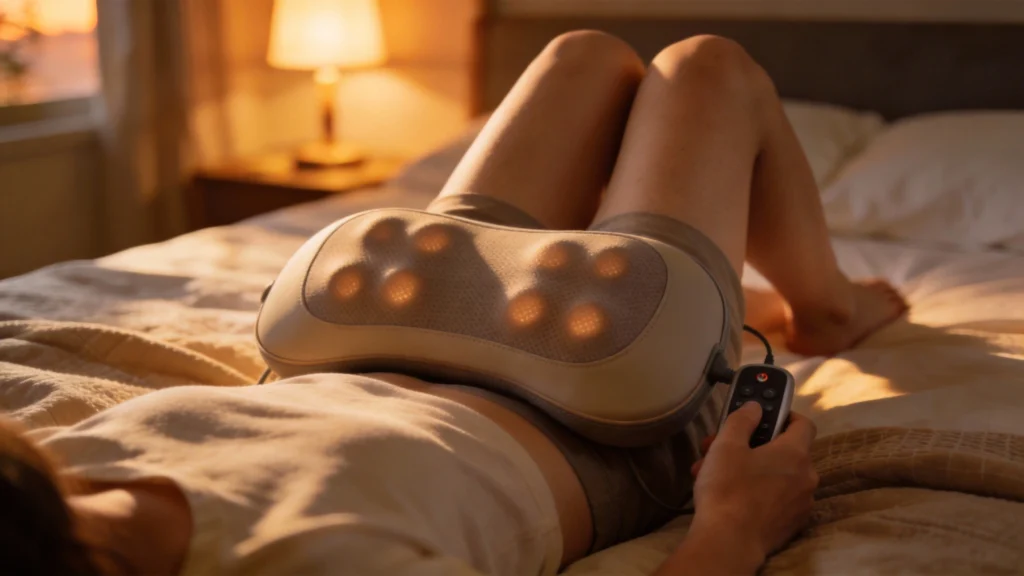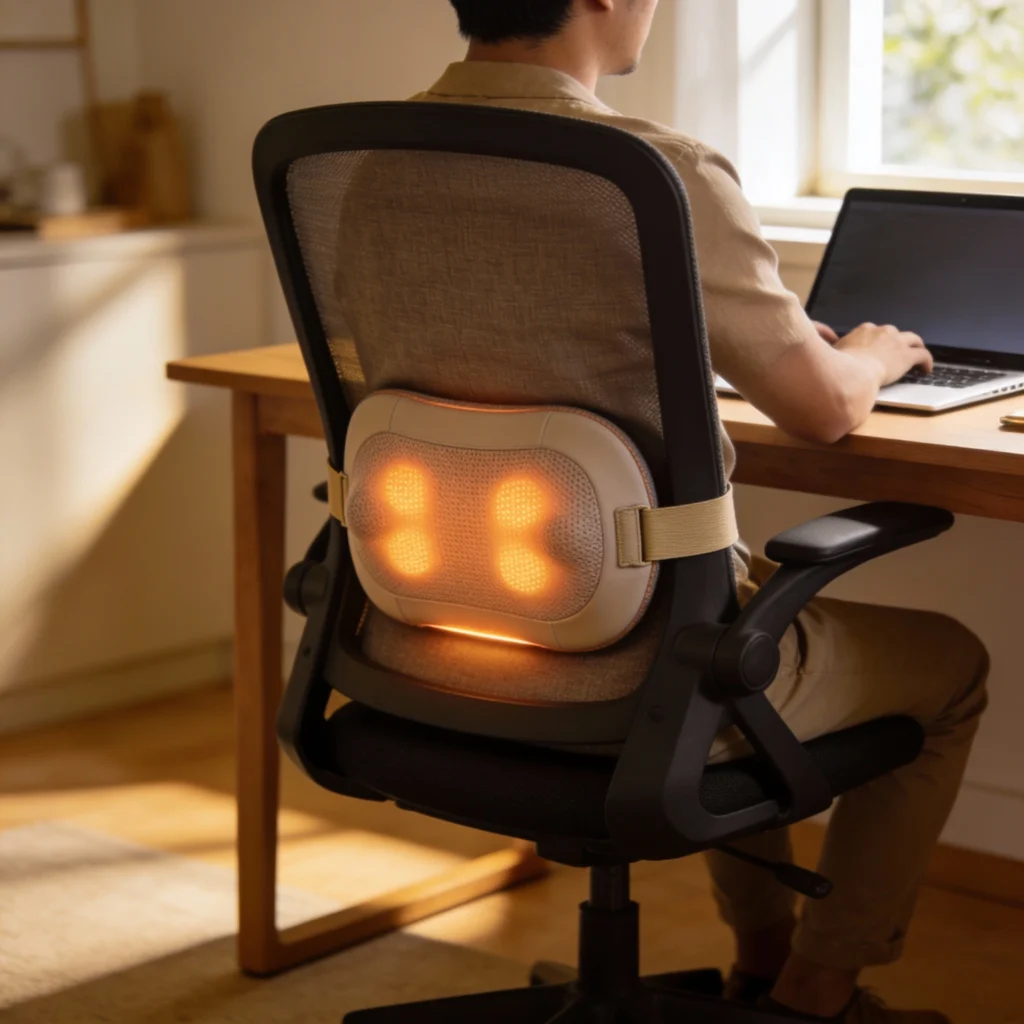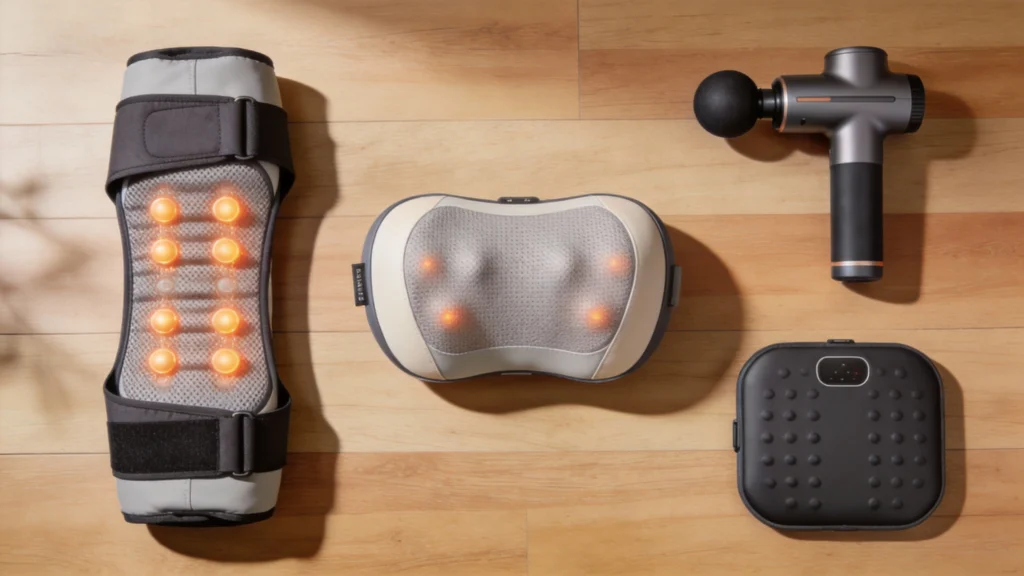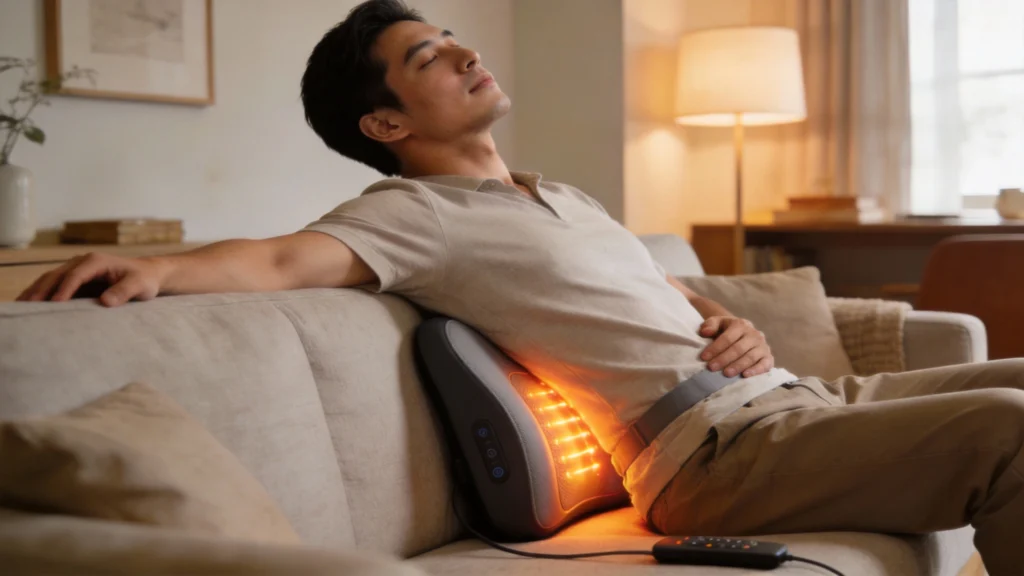
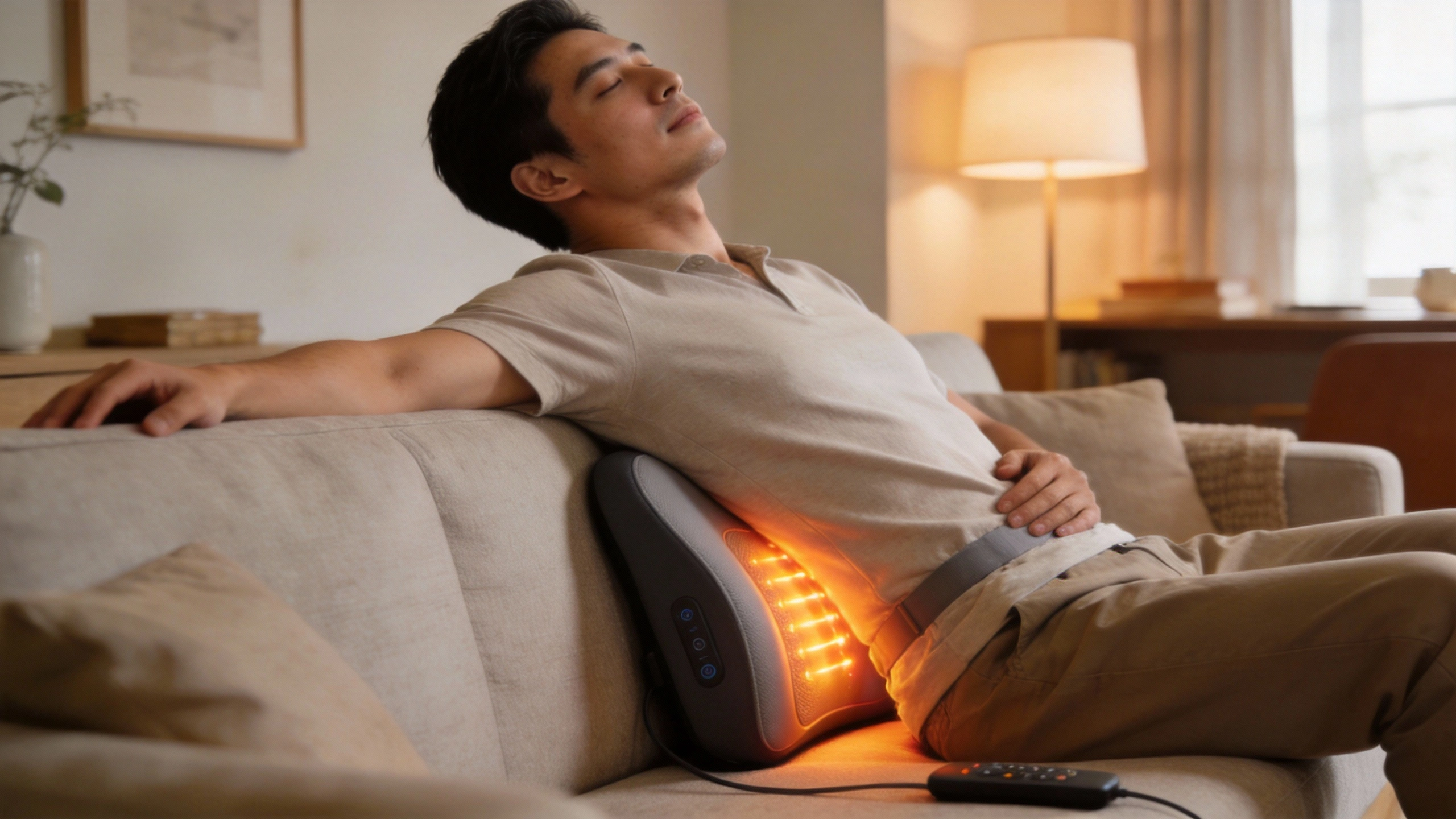
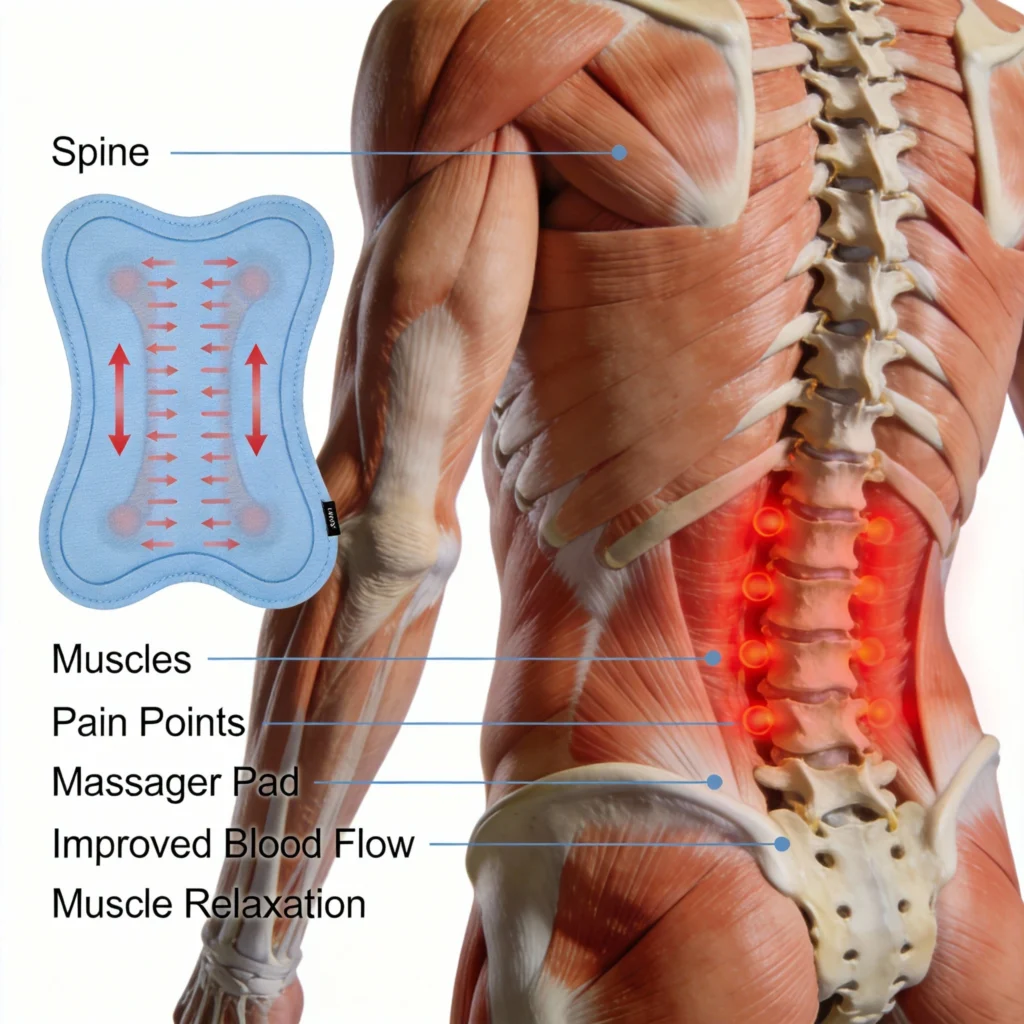
Understanding what’s happening in the lower back is key to choosing the right massager. Most pain stems from overworked muscles, stiff fascia, or irritated joints. A targeted device can increase circulation, reduce muscle guarding, and interrupt pain signals, offering more than surface comfort by gently supporting the body’s natural healing processes.
Lower back pain often comes from a mix of issues: stiff joints between L4–L5, tight hip flexors from long sitting, or irritated discs from repetitive bending. Muscles such as the quadratus lumborum and multifidus compensate by tightening, creating protective spasms. A lower back massager primarily targets these soft tissues, not the bones, helping them relax so the spine can move more freely.
Common mechanical causes of lower back pain
Many office workers develop pain because they sit more than 8 hours daily with a rounded spine, loading discs unevenly. Over time, the deep stabilizers fatigue, and superficial muscles like the erector spinae overwork to keep you upright. This imbalance creates persistent knots that respond well to rhythmic pressure or heat, which increase circulation and reduce the buildup of inflammatory chemicals.
How massage devices influence pain and mobility
When a back massager applies 5–10 minutes of steady pressure or kneading, it stimulates mechanoreceptors in the skin and muscle that compete with pain signals traveling to the spinal cord. This “gate control” effect can temporarily dampen pain perception. At the same time, warmth of 40–45°C and gentle vibration reduce muscle spindle sensitivity, so tight fibers lengthen slightly, improving your ability to bend or twist without immediate spasm.