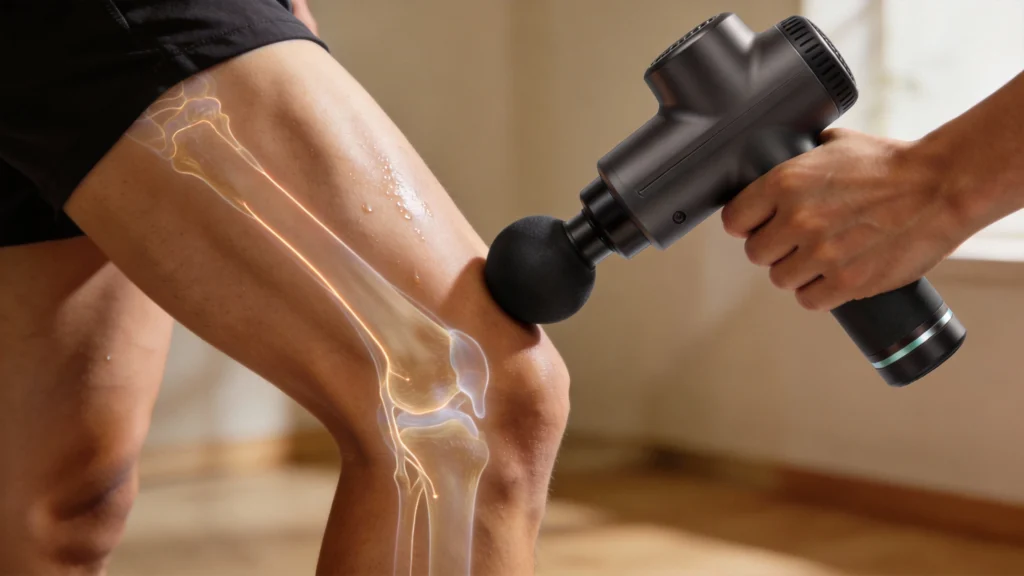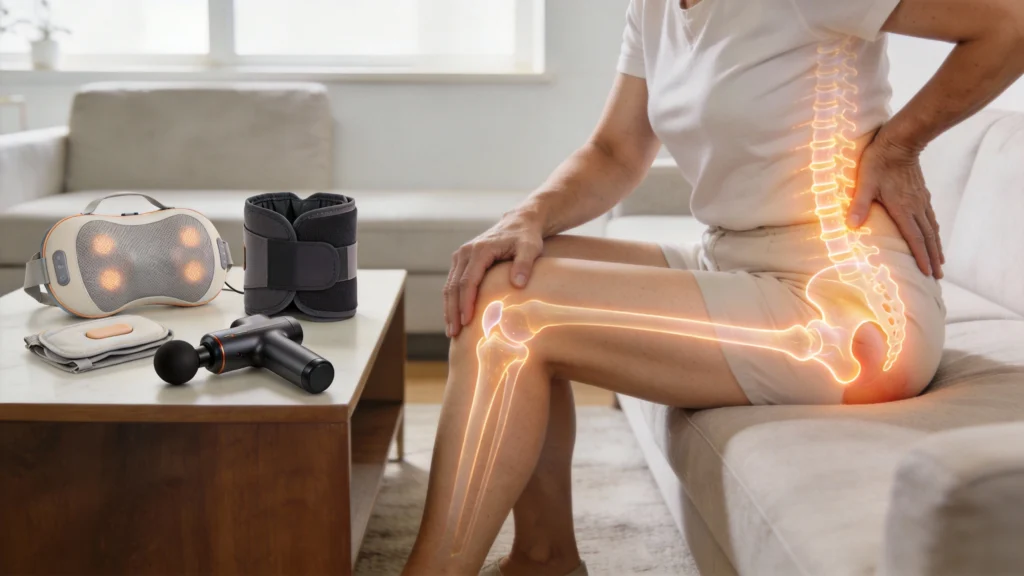
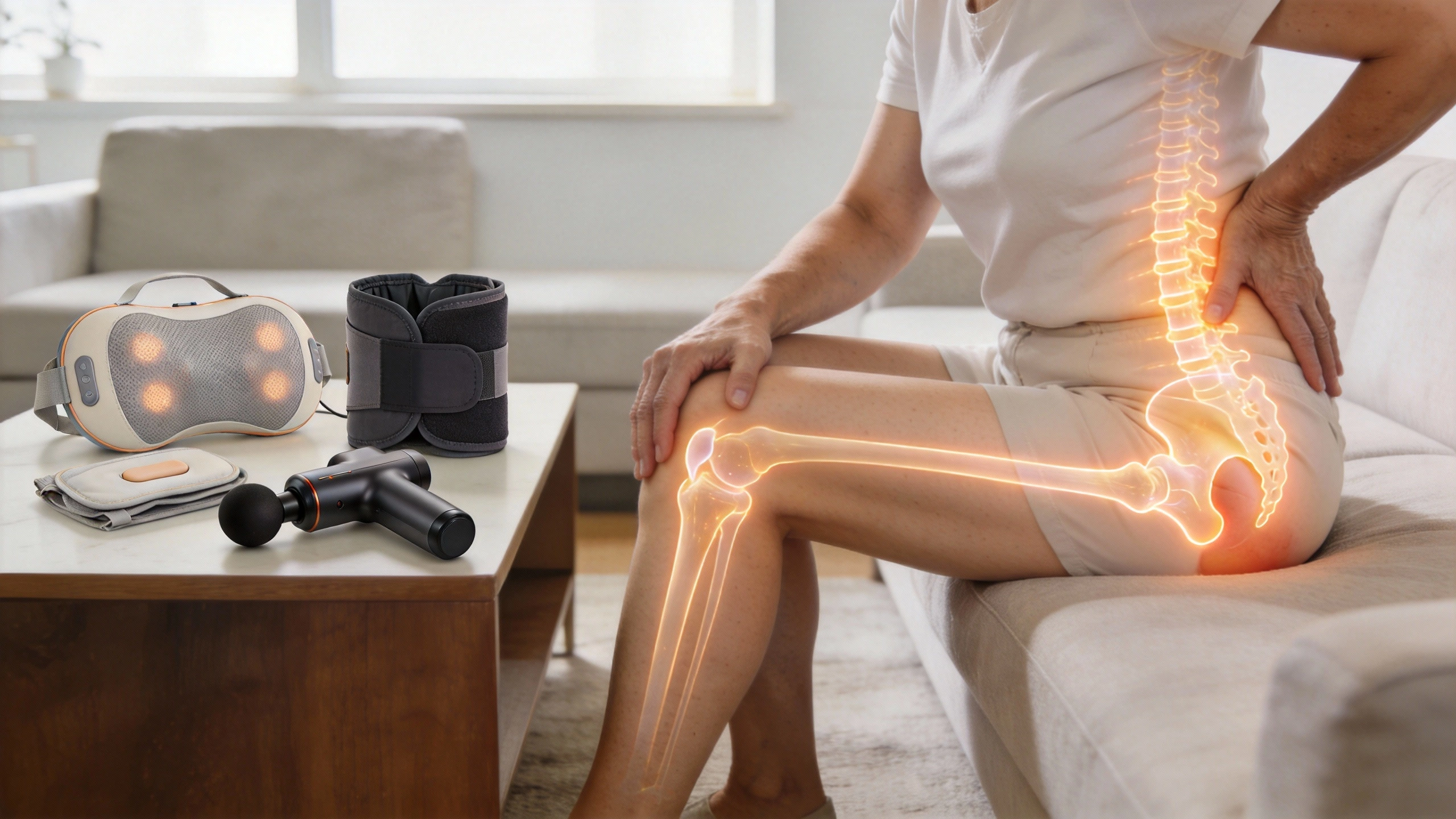
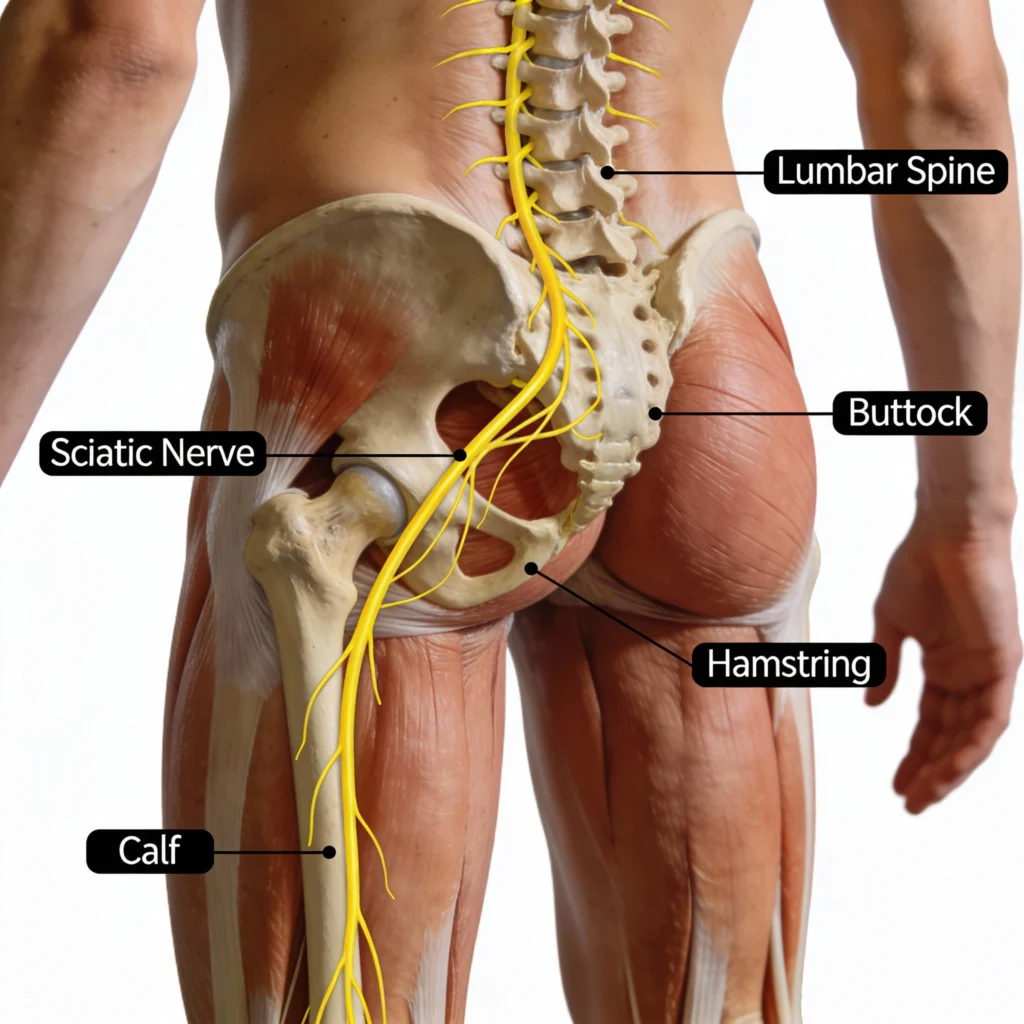
Understanding where the sciatic nerve travels helps you choose a device that can actually reach the irritated tissue. The nerve exits the lower spine, passes deep through the buttock, and runs down the back of the leg. Visualizing this route makes it easier to target massage along the full length of the pain pattern.
Sciatica describes irritation of the sciatic nerve, usually from a lumbar disc bulge, spinal stenosis, or piriformis tightness. Pain often follows a predictable path from the L4–S3 nerve roots through the buttock and into the leg. The best massager for sciatica aims to reduce muscle guarding along this route, easing pressure on the nerve indirectly rather than pressing directly on the most sensitive spot.
Understanding Nerve Irritation and Muscle Guarding
When a disc bulges even 3–5 millimeters, surrounding muscles such as the multifidus, gluteus medius, and piriformis tighten reflexively. This protective guarding can increase compressive forces on the sciatic nerve by several kilograms. Gentle vibration or compression reduces this tension, improving microcirculation and allowing inflamed tissues to clear metabolites like prostaglandins and bradykinin more efficiently.
How Massage Influences Pain Signals and Mobility
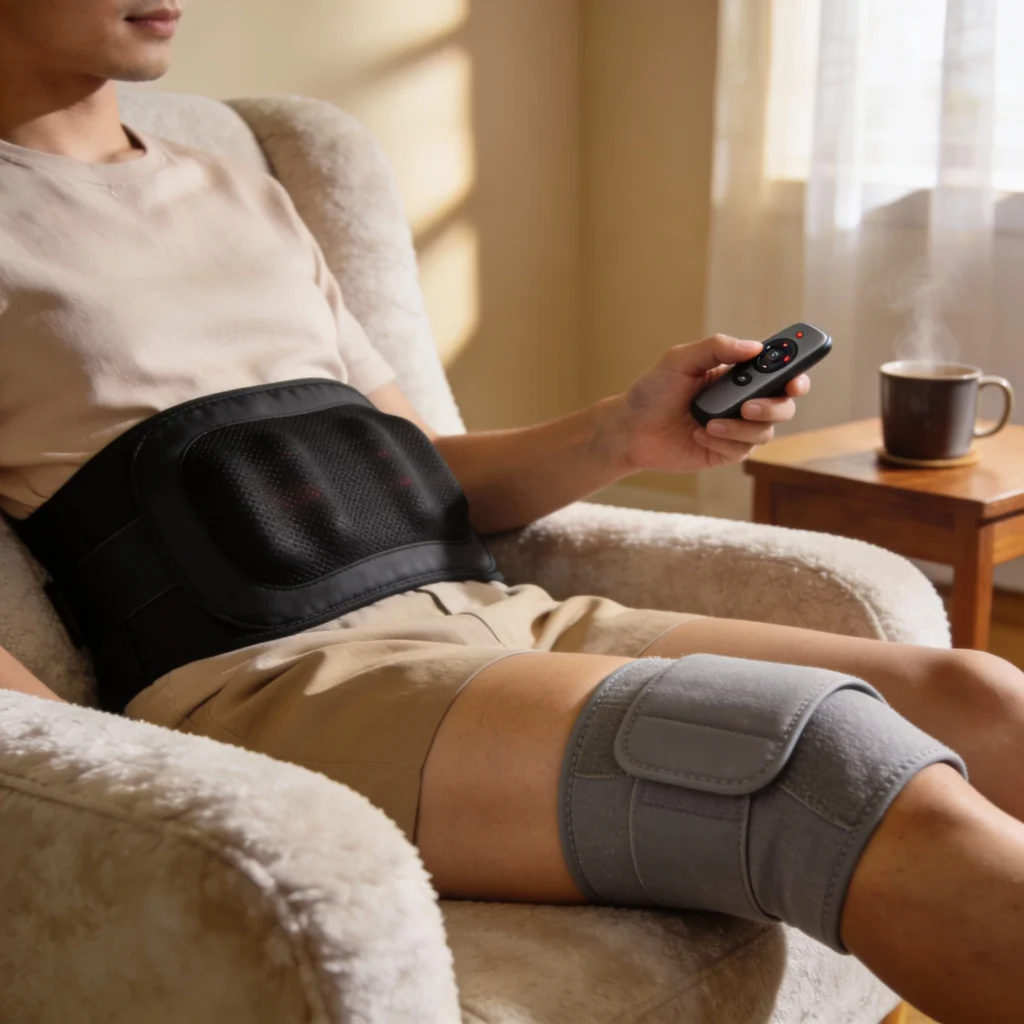
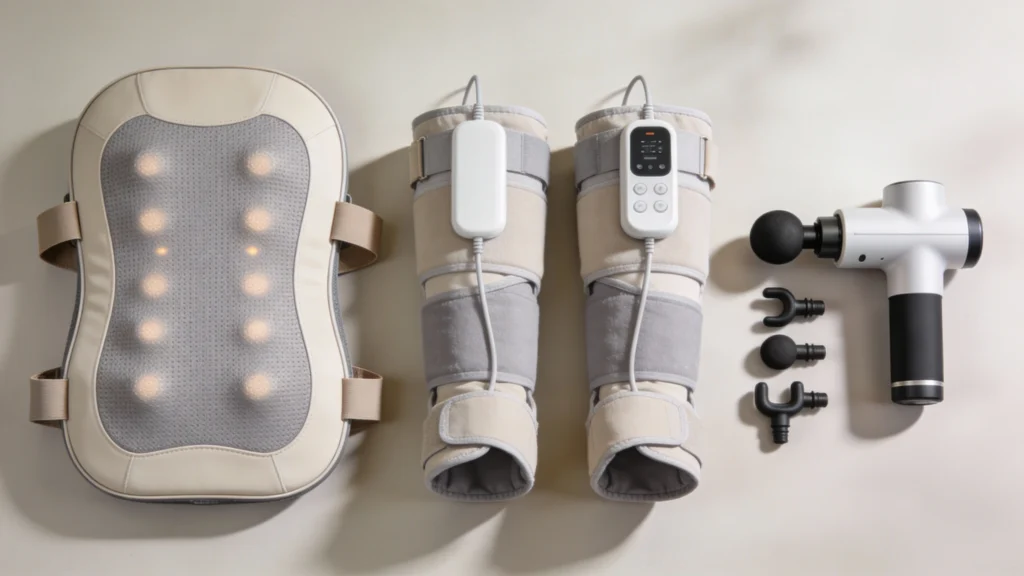
Mechanical stimulation from a back vibrating massager or leg device activates large-diameter A-beta nerve fibers, which can temporarily inhibit pain signals from A-delta and C fibers at the spinal cord level. This “gate control” effect, combined with increased temperature and elasticity in the fascia, often allows deeper hip and hamstring stretches. Over weeks, that improved mobility may reduce recurrent nerve irritation episodes.