Animal Massage Therapy: How Therapeutic Bodywork Helps Pets and Performance Animals

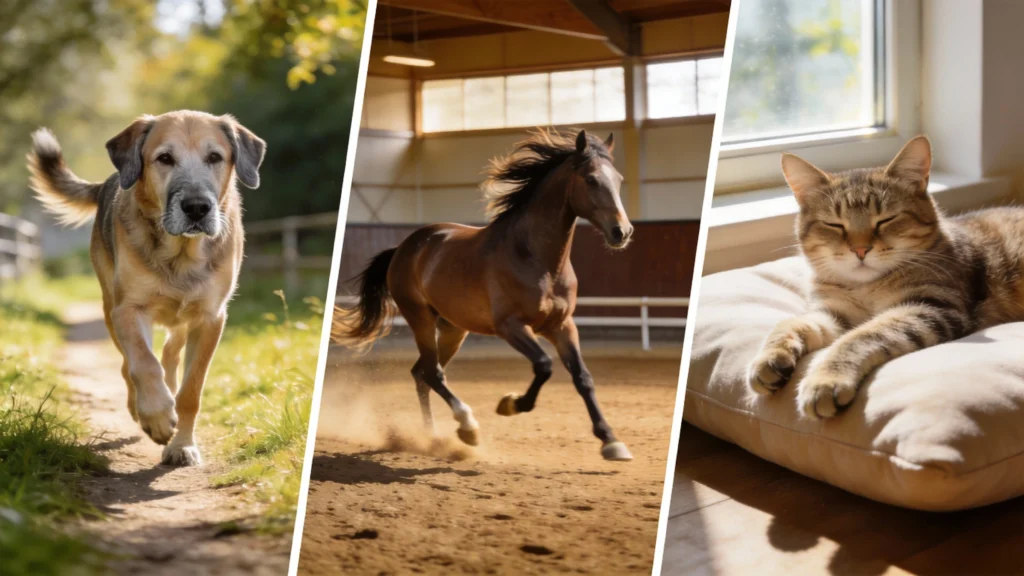
Many pet guardians now book bodywork sessions for their animals as routinely as nail trims. From agility dogs to retired trail horses, animal massage therapy is emerging as a practical way to ease pain, improve movement, and reduce stress when used alongside regular veterinary care.

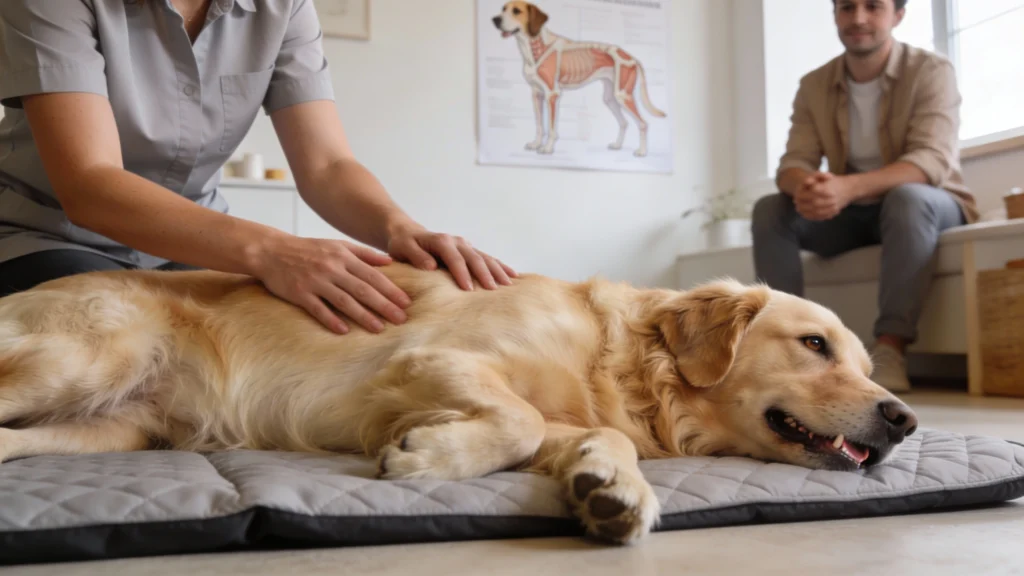
Animal massage therapy uses structured touch, gentle pressure, and mobilization techniques to support circulation, flexibility, and relaxation in dogs, horses, and other species. Unlike casual petting, it follows clear protocols based on anatomy and biomechanics. When combined with veterinary guidance, massage therapy for dogs or horses can complement medical treatment, reduce discomfort, and help animals stay active for more years.

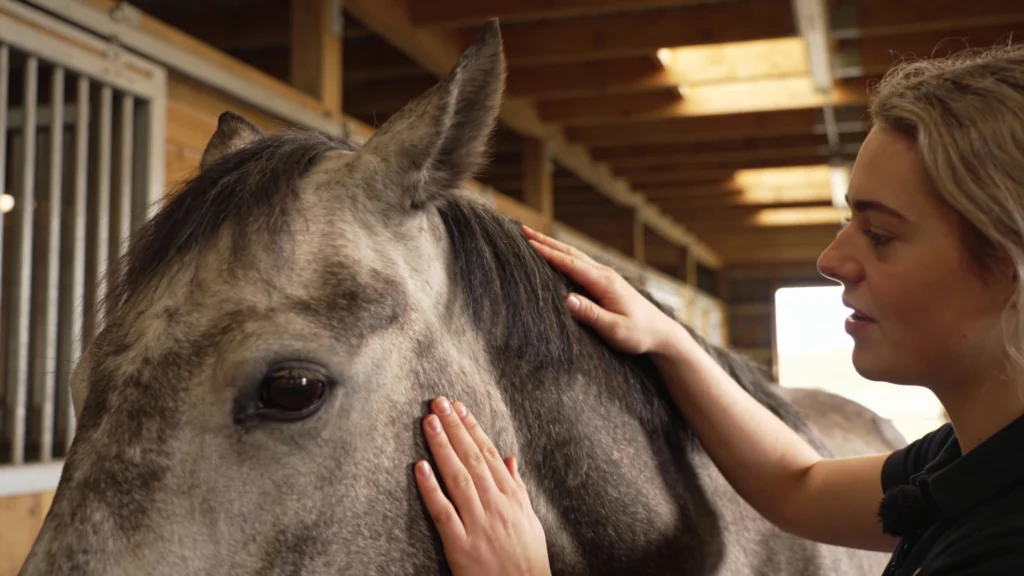
Owners often notice benefits such as smoother gaits, better postural alignment, and faster recovery after demanding activities like agility trials or long trail rides. Because animals communicate primarily through body language, skilled practitioners rely on subtle signals—ear position, blinking, tail tension—to adjust techniques in real time. This careful responsiveness helps animals feel safe, engaged, and willing to participate during each session.

As more states define legal scopes of practice, certified practitioners increasingly collaborate with veterinarians, trainers, and behaviorists. This team-based approach ensures massage is used where it helps most—supporting soft tissues, comfort, and performance—while veterinarians handle diagnosis, imaging, and pharmaceuticals. When you understand how the modalities fit together, you can confidently add pet massage to your animal’s long‑term wellness plan.

1
animal massage therapy

What Is Animal Massage Therapy and How Does It Differ from Human Massage?

What Is Animal Massage Therapy and How Does It Differ from Human Massage?

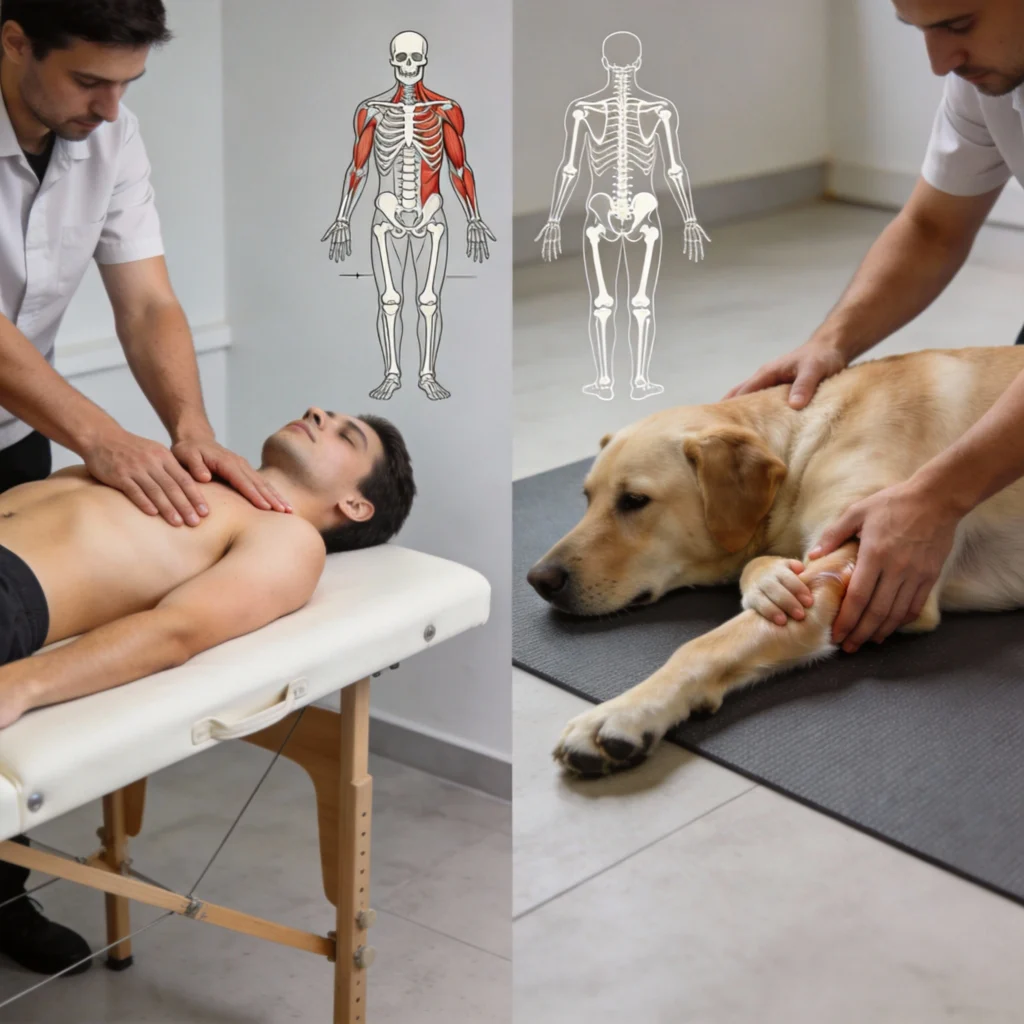
While human and animal massage share core principles of touch and relaxation, animal massage is tailored to species-specific anatomy and movement patterns. Practitioners adapt pressure, hand placement, and positioning to the animal’s skeletal structure and gaits, always reading subtle body language cues rather than relying on verbal feedback during the session.

Animal massage therapy is structured, therapeutic touch applied to muscles, fascia, and joints of non‑human species to improve comfort and function. Practitioners adapt techniques like effleurage, petrissage, friction, and passive stretching to four‑legged anatomy. Unlike spa massage for humans, animal work emphasizes movement efficiency, pain modulation, and behavior changes that affect daily activities such as jumping into cars or picking up canter leads.

Scope of Practice and Techniques

Animal massage practitioners focus on soft tissues and joint mobility without diagnosing disease or prescribing medications. A session may include 5–10 minutes of observation at walk and trot, then 30–60 minutes of targeted work along specific muscle chains. Techniques are modified for coat thickness, skin mobility, and species‑specific vulnerabilities, like equine lumbar strain or canine iliopsoas tightness after repeated agility contacts.

Key Differences from Human Massage

Human massage therapists communicate verbally, use informed consent forms, and commonly work on stationary tables. In contrast, animal sessions often occur in barns or living rooms, with the animal standing or lying on mats for better traction. Practitioners must read micro‑signals—lip licking, yawning, or shifting weight—to gauge pressure levels, because animals cannot articulate that an area feels numb, sharp, or radiating like human clients can.
2
massage therapy for dogs

Key Benefits of Animal Massage Therapy for Dogs, Horses, and Other Pets

Animal massage therapy offers measurable benefits for mobility, comfort, and performance when used consistently. For example, a 30–45 minute session every 2–4 weeks can help athletic dogs maintain hip extension for jumping, while monthly equine massage supports stride length and impulsion. Many owners report observable changes within two to three visits, including easier transitions, fewer missteps, and calmer behavior during grooming or saddling.

Key Benefits of Animal Massage Therapy for Dogs, Horses, and Other Pets

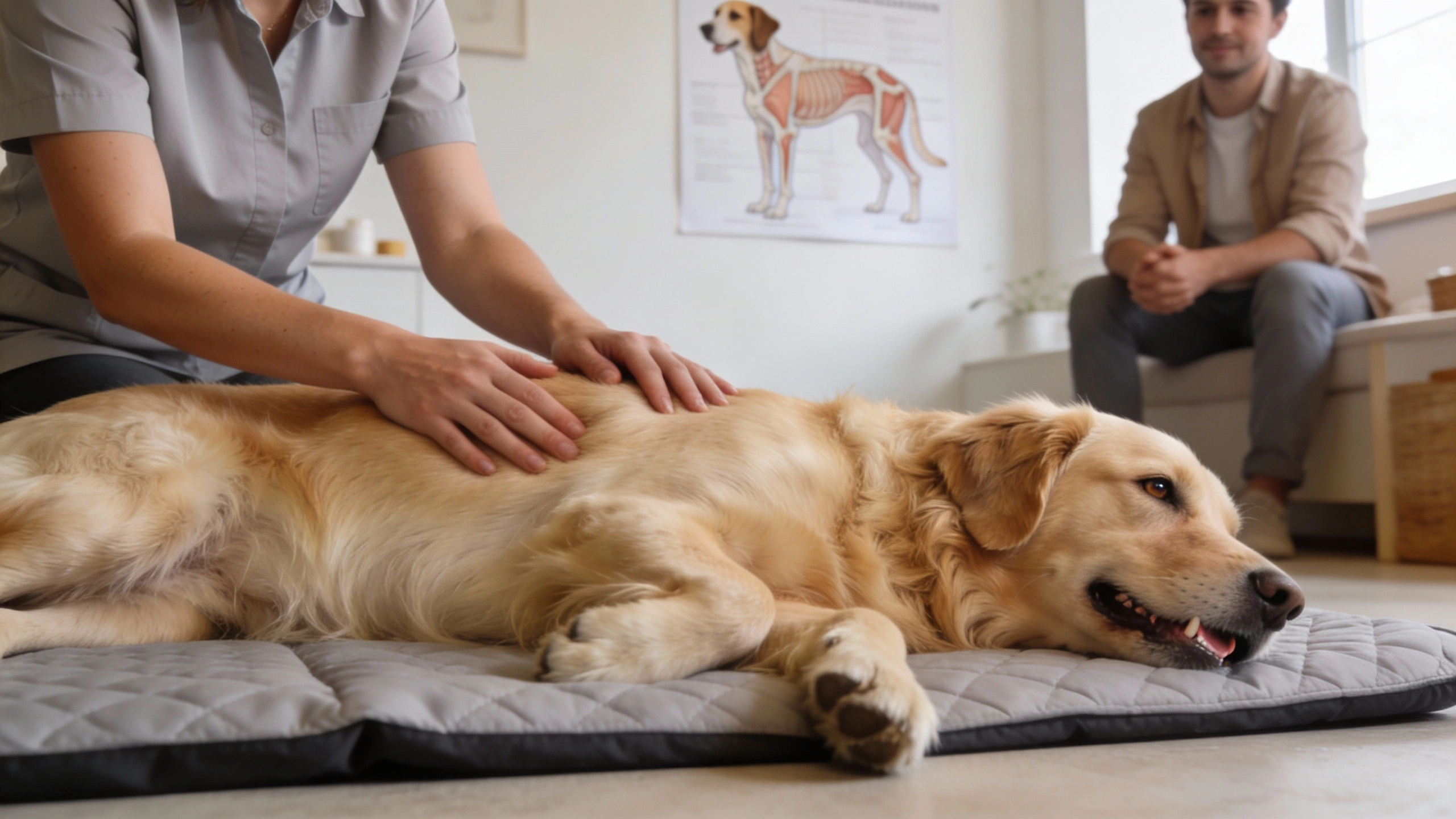
During a typical session, the practitioner begins with observation, noting posture, movement, and any guarded areas. Gentle strokes warm the tissues before more focused techniques address tension along the spine, shoulders, and hips. Throughout, the practitioner watches for signals—softening eyes, ear position, tail movement—to adjust pressure and pacing to the animal’s comfort.

Performance, Mobility, and Behavioral Support

Massage therapy for dogs can reduce compensatory tension that develops when animals favor arthritic joints or old injuries. By improving circulation and lymphatic flow, tissues receive more oxygen and nutrients, which helps manage low‑grade inflammation. Horses receiving regular equine massage often show improved lateral flexion, better engagement of the hindquarters, and fewer refusals at fences, because tight muscle groups no longer restrict movement or cause anticipatory discomfort.

  • Agility dogs may gain 5–10 centimeters in jump clearance after improved hip and shoulder range from targeted myofascial work.
  • Senior Labradors often rise from lying positions 2–3 seconds faster after several sessions reducing lumbar and hamstring stiffness.
  • Dressage horses can maintain consistent rhythm at collected trot for longer intervals once sacroiliac support muscles relax appropriately.
  • Rescue cats frequently show reduced hiding and more grooming when chronic neck tension from past stress is gently addressed.
3

When to Consider Animal Massage Therapy vs. Veterinary Care

When to Consider Animal Massage Therapy vs. Veterinary Care

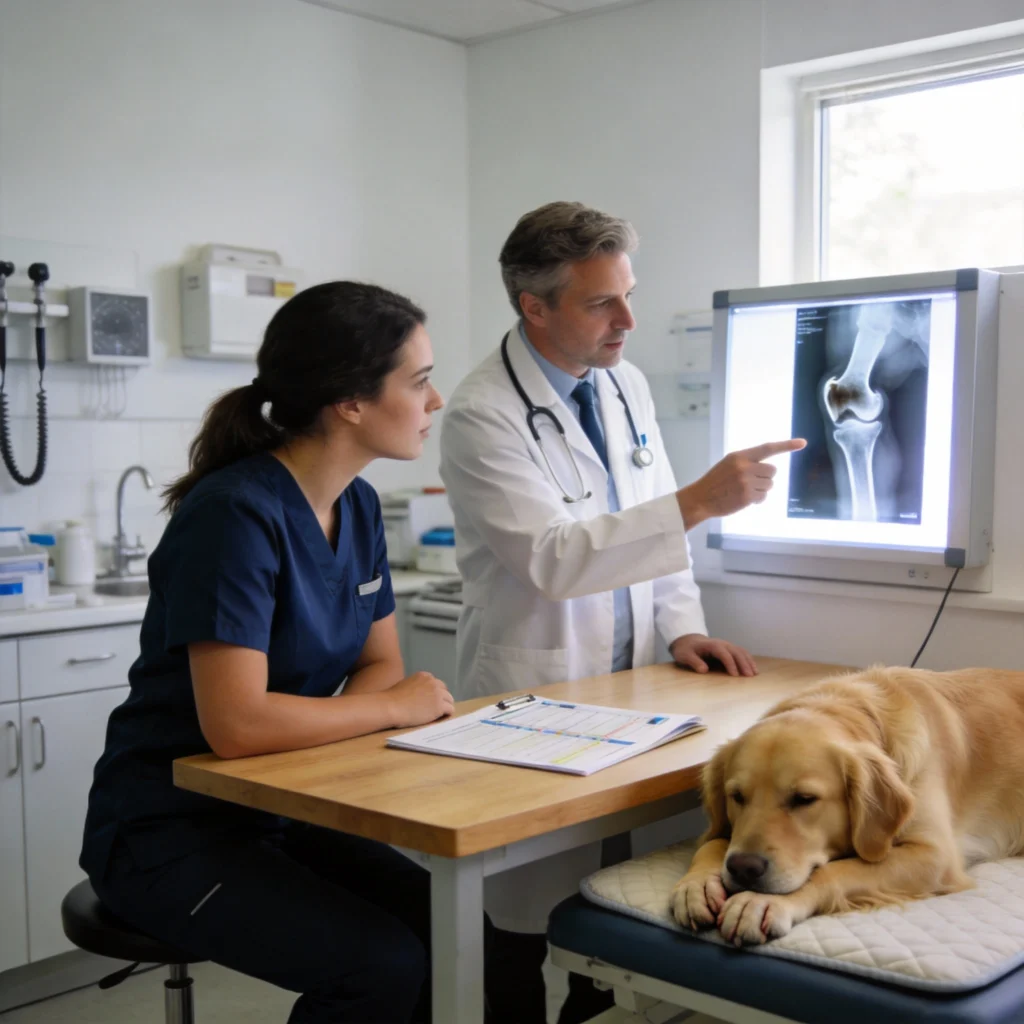
Massage therapy should complement, not replace, veterinary care. A thorough veterinary exam is essential when animals show pain, lameness, or sudden behavior changes. Once medical issues are diagnosed and treated, massage can be integrated to help manage residual discomfort, support healing tissues, and maintain long-term mobility under professional guidance.

Animal massage therapy is designed to complement, not replace, veterinary medicine. Veterinarians diagnose conditions like hip dysplasia, kissing spines, or cruciate ligament tears using radiographs, ultrasound, and laboratory tests. Once a diagnosis exists, massage can support comfort and movement by addressing secondary muscle guarding or postural compensation, but it cannot correct structural pathology or acute trauma requiring surgery or pharmaceuticals.

Red Flag Situations Requiring a Veterinarian

Owners should seek veterinary care immediately if an animal shows sudden non‑weight‑bearing lameness, fever above 103°F (39.4°C), open wounds, or neurological signs such as stumbling, head tilt, or seizures. Massage in these cases could worsen tissue damage or mask important clinical signs. Ethical practitioners will decline to treat and instead refer to a veterinarian whenever they observe abnormal swelling, heat, or unexplained behavioral changes during assessment.

Massage is appropriate once a veterinarian has ruled out emergencies and provided a working diagnosis. Bodywork then becomes a tool to manage compensatory tension, reduce pain perception through gate‑control mechanisms, and improve joint lubrication via gentle, controlled movement within the comfort range.

Ideal Scenarios for Complementary Massage

Pet massage fits well into rehabilitation plans after surgeries like TPLO or arthroscopy, usually starting once incisions heal and the veterinarian clears touch. It also supports chronic conditions—osteoarthritis, mild kissing spine, or long‑standing muscle strains—by keeping surrounding tissues supple. For working dogs, such as search‑and‑rescue or herding dogs, routine sessions help detect subtle tightness early, often before overt lameness appears.

4

What Happens During an Animal Massage Therapy Session?

An initial animal massage session typically lasts 60–90 minutes, with 15–20 minutes devoted to history‑taking and movement assessment. Practitioners ask about workload, surfaces, tack fit, and prior injuries, then observe the animal walking, trotting, or turning. This baseline helps identify asymmetries, shortened strides, or habitual postures that may signal specific muscle groups requiring focused attention during hands‑on work.

What Happens During an Animal Massage Therapy Session?

Owners often report noticeable benefits after several massage sessions, such as smoother gaits, easier transitions between movements, and more balanced posture. Performance animals may recover faster after competitions, while older pets frequently show improved comfort in daily activities like climbing stairs, jumping into cars, or simply rising from a resting position.

Assessment, Handling, and Environment

Sessions occur in quiet, familiar spaces—barn aisles, grooming bays, or living rooms—to minimize stress responses. Non‑slip mats or rubber flooring allow dogs and horses to shift weight safely as pressure changes. Practitioners often start with broad, slow strokes along the neck and back, gradually moving to deeper work if the animal softens its eyes, lowers its head, or sighs. Breaks are offered whenever tension or avoidance behaviors appear.

  • Dogs may begin on leash, then transition to a comfortable bed or mat once they settle and demonstrate relaxed breathing.
  • Horses are usually tied with quick‑release knots or held in hand, allowing small steps to rebalance during lateral work.
  • Cats often prefer low tables or couches, with towels providing traction and hiding spots when they need short pauses.
  • Practitioners use minimal oils to avoid slipping, especially on thick equine coats where excess product attracts dust.

Techniques and Session Flow

After warm‑up strokes, the practitioner may apply cross‑fiber friction to specific muscle bellies, then follow with gentle stretching within the animal’s voluntary range. A typical sequence might start at the neck, progress along the longissimus dorsi, then address gluteals and hamstrings. Sessions end with lighter strokes to stimulate parasympathetic activation, helping the animal leave calm rather than overstimulated or fatigued.

5

Is Animal Massage Therapy Safe? Contraindications and Ethical Guidelines

When performed by a trained professional working under appropriate veterinary oversight, animal massage therapy has a strong safety profile. However, certain conditions—acute infections, uncontrolled heart disease, fractures, or advanced cancer—require strict avoidance or heavy modification of techniques. Ethical practitioners maintain liability insurance, follow local regulations, and prioritize the animal’s comfort over owner expectations regarding depth or intensity of work.

Is Animal Massage Therapy Safe? Contraindications and Ethical Guidelines

Contraindications and Legal Considerations

Most jurisdictions prohibit practitioners from diagnosing conditions, adjusting joints, or altering prescribed rehabilitation plans without veterinary input. Many states in the United States, including Washington and Colorado, require veterinary referral or supervision for equine massage on performance horses. Work is avoided directly over recent surgical sites, open wounds, or hot, swollen joints. Temperature checks and palpation help identify areas where massage could dislodge clots or exacerbate inflammation.

ConditionMassage StatusTiming GuidanceModification Notes
Recent surgeryRestrictedAfter 10–14 days, once incision fully closedAvoid scar area; use light strokes proximally
Acute lamenessContraindicatedOnly after veterinary diagnosis and stabilizationNo deep work; focus on comfort and relaxation
OsteoarthritisPermittedOngoing, every 2–4 weeks as toleratedGentle range‑of‑motion within pain‑free limits
Heart diseaseCautiousWith veterinary clearance and monitoringShorter sessions; avoid overheating or stress
CancerCase‑by‑caseOnly under explicit veterinary guidanceAvoid tumor sites; prioritize comfort and anxiety relief

Ethically, the animal’s consent is central. Practitioners watch for signs like leaning into touch, relaxed tails, and soft eyes before deepening work. If an animal repeatedly moves away, pins ears, or growls, the session is paused or ended. Clear communication with owners about realistic goals—reduced stiffness, better comfort, not miracle cures—builds trust and prevents misuse of massage in place of necessary medical interventions.

6

How to Choose a Certified Animal Massage Therapy Practitioner

How to Choose a Certified Animal Massage Therapy Practitioner

Selecting a qualified practitioner ensures your pet receives safe, evidence‑informed care. Look for professionals who completed at least 200–300 hours of structured training, including anatomy, behavior, and supervised practice. Reputable programs, such as those accredited by the International Association of Animal Massage and Bodywork (IAAMB), require hands‑on practicums, case studies, and continuing education to maintain membership or certification.

Credentials, Training, and Practical Experience

Ask potential practitioners about their specific species focus, like equine massage, canine sports massage, or small animal rehabilitation support. Someone working primarily with horses should demonstrate familiarity with saddle fit, farrier schedules, and competition rules, while canine specialists should understand agility course demands and common orthopedic issues. Experience with at least 100–150 documented sessions typically indicates the practitioner has encountered varied temperaments and body types.

Choose practitioners who welcome collaboration with your veterinarian and trainer. Professionals who request medical histories, radiology reports, and current medication lists demonstrate they understand how systemic conditions, like endocrine disorders or anticoagulant use, influence safe pressure levels and session frequency.

Questions to Ask Before Booking

Before scheduling, request a sample report or template to see how findings and recommendations are documented. Inquire about session length, fees, travel charges, and cancellation policies. Many practitioners charge between $60 and $120 per canine session and $80 to $150 for horses, depending on region. Transparent communication about pricing and expected outcomes helps you budget realistically for ongoing wellness or rehabilitation plans.

7

Supporting Animal Massage Therapy at Home: Gentle Techniques and Aftercare

Between professional sessions, owners can reinforce benefits through short, gentle touch routines lasting 5–10 minutes. These at‑home practices are not substitutes for skilled massage but help maintain tissue suppleness and build positive associations with handling. Focusing on slow, predictable strokes and respecting the animal’s choice to move away prevents overstimulation and reduces the risk of aggravating underlying conditions like disc disease or hip dysplasia.

Supporting Animal Massage Therapy at Home: Gentle Techniques and Aftercare

Simple, Safe Techniques for Owners

Begin by resting a flat hand on your pet’s shoulder or neck for 15–20 seconds, observing breathing and facial tension. If the animal relaxes, use long strokes along the coat in the direction of hair growth, applying no more pressure than you would use to gently move skin. Avoid direct pressure over spine, joints, or bony prominences where tissues are thin and easily irritated.

TechniqueDurationPressure LevelSuitable Species
Slow grooming strokes5 minutesLight, surface contact onlyDogs, cats, horses
Ear base rubs2–3 minutesVery light, fingertip onlyDogs, cats
Neck crest smoothing3–4 minutesLight to moderate, no kneadingHorses
Chest and shoulder strokes4–5 minutesLight, following coat directionDogs, horses
Gentle tail base holds1–2 minutesMinimal, static contactDogs, some horses

After any session—professional or at‑home—offer fresh water and allow 10–20 minutes of quiet time before vigorous activity. Mild sleepiness or increased drinking can be normal as circulation and lymph flow change. However, if your pet shows worsening lameness, agitation, or heat in a previously worked area, stop home techniques and contact your veterinarian and practitioner to adjust the plan before the next appointment.

Face, Neck, Head, Body, Back & Foot Massager
For a Relaxing & Relieving Lifestyle
14-day money back guarantee
Lowest Prices: 365 Days Discount
Safe & Secure online payment
Contact Us

Massagers Mart © 2025. All Rights Reserved

Massagers Mart
Logo
Compare items
  • Total (0)
Compare
0
Shopping cart