
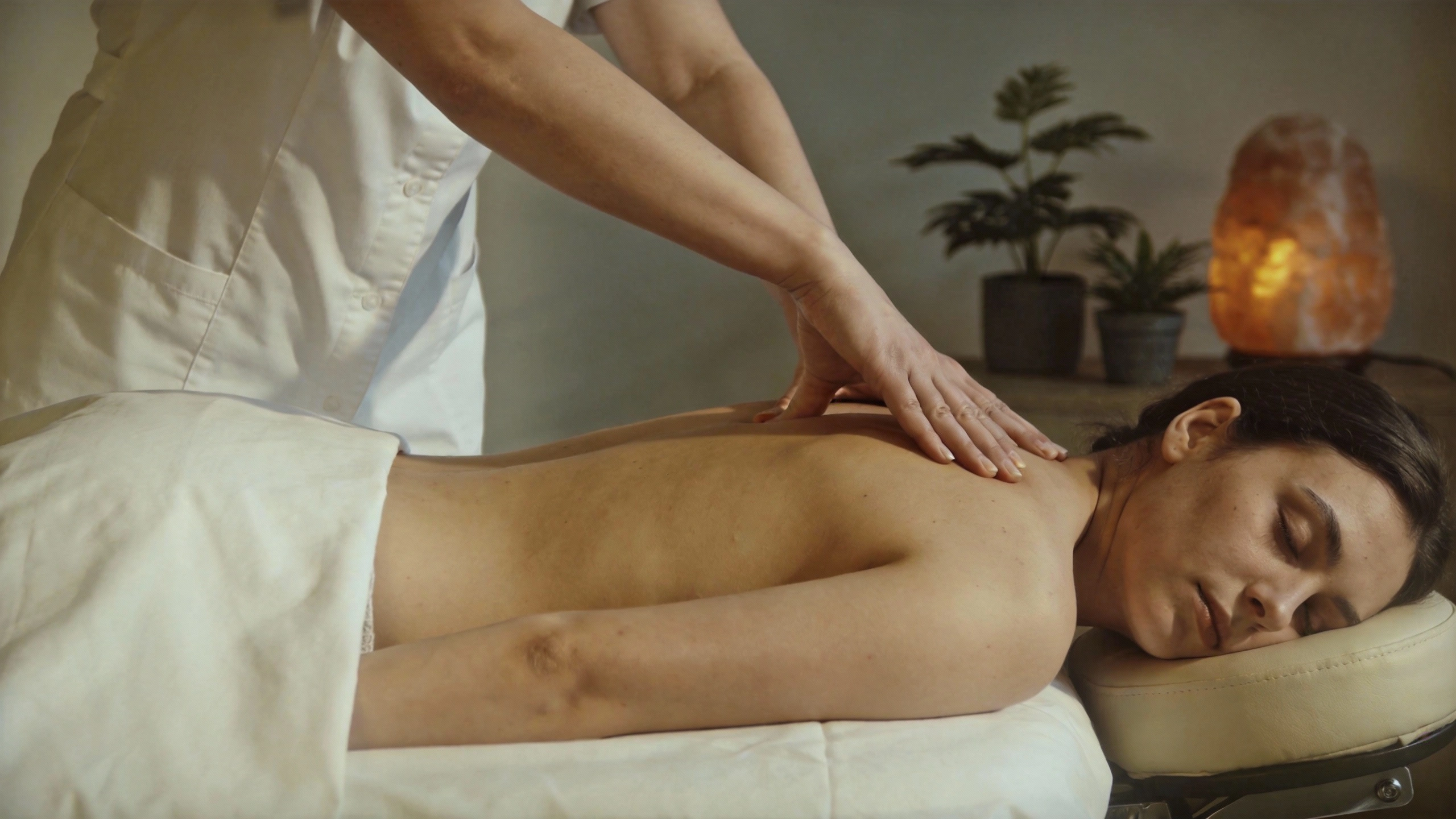

During a deep tissue massage, the therapist uses slow, targeted strokes to sink gradually into the muscle layers rather than gliding lightly over the surface. By following the direction of muscle fibers and pausing on tight spots, they can release adhesions and trigger points that contribute to chronic pain and restricted movement.
Deep tissue massage therapy focuses on correcting chronic tension patterns rather than simply providing short-term relaxation. Therapists use slow, firm strokes along muscle fibers and sustained pressure on specific points to break down adhesions within fascia and muscle tissue. These adhesions can restrict movement by several degrees in a single joint, contributing to recurring pain during daily activities like sitting or lifting.
Techniques Used in Deep Tissue Massage Therapy
Therapists often begin with lighter effleurage strokes to warm tissues to approximately 38–40°C, which increases local blood flow by up to 20%. Once muscles soften, they use techniques like cross-fiber friction, stripping along muscle length, and ischemic compression on trigger points. Pressure is usually measured subjectively on a 1–10 scale, with ideal therapeutic intensity staying between 6 and 8.
How Deep Tissue Massage Affects Muscles and Fascia
When sustained pressure is applied for 30–90 seconds, mechanoreceptors in fascia signal the nervous system to reduce muscle tone. This can decrease resting tension by several percentage points, enough to change posture or gait patterns. Increased circulation helps clear metabolic byproducts like lactate, while gentle micro-stretching of collagen fibers improves tissue glide, which often translates into smoother, less painful movement during walking or bending.