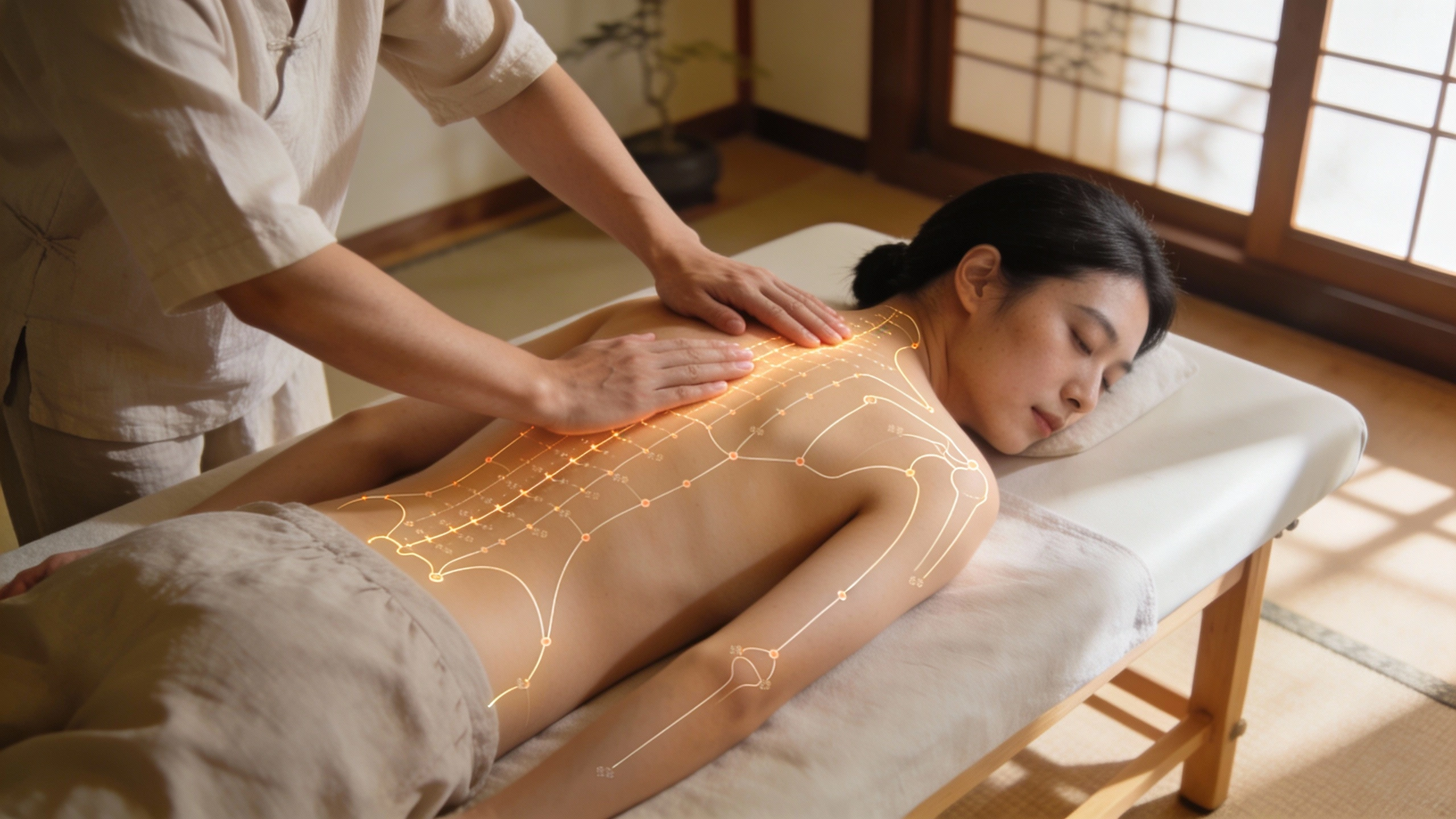
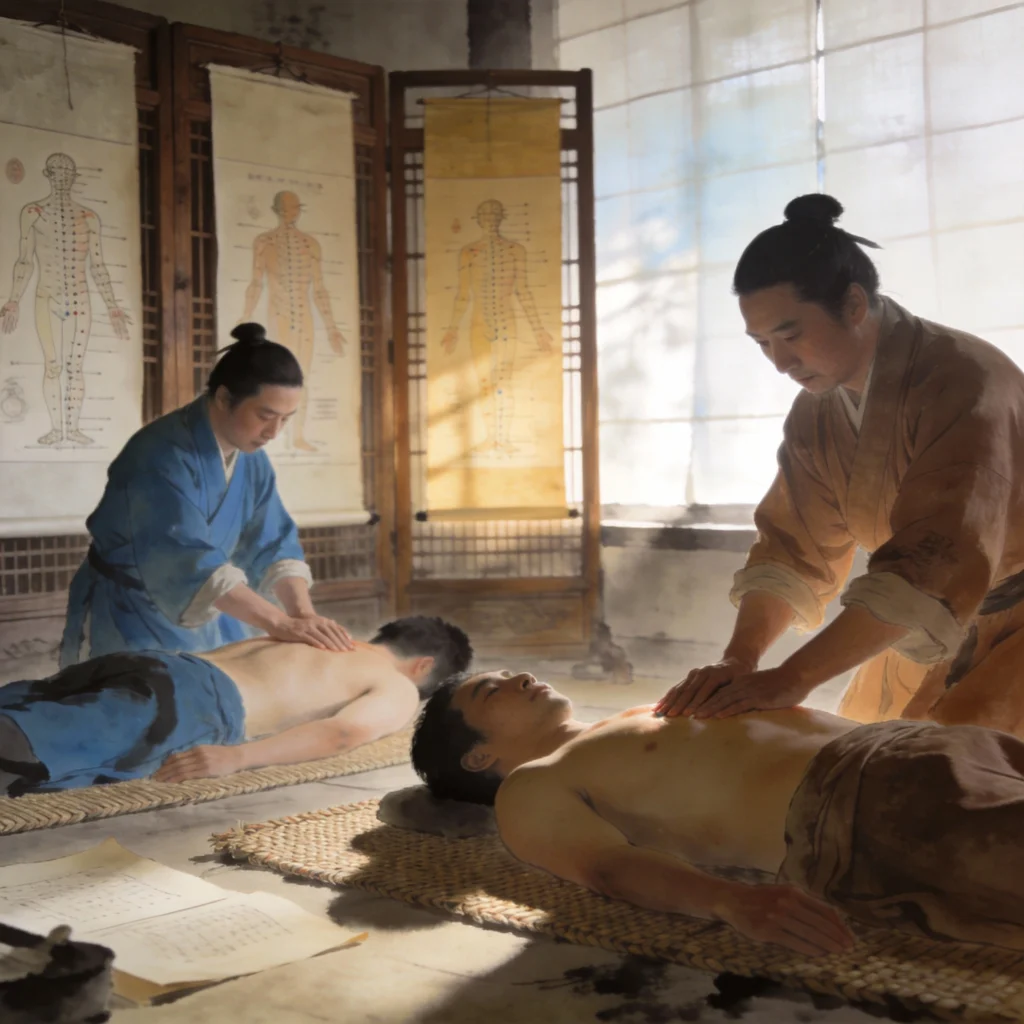
Anmo has deep roots in traditional East Asian medicine, evolving in early healing clinics where manual techniques were used alongside herbal formulas and breathing practices. Practitioners studied meridian charts and pulse qualities, refining touch-based methods to guide qi and blood. This lineage informs how modern anmo adapts ancient principles to today’s stress-filled lifestyles.
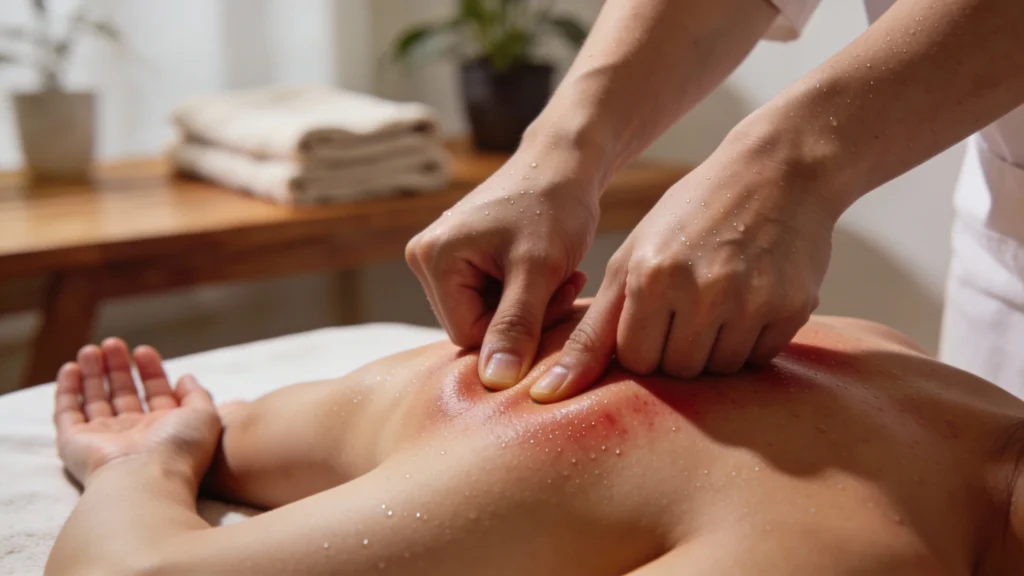
Anmo massage therapy is generally translated as “press and rub,” reflecting two core actions used to influence qi circulation and blood flow. Historical medical texts compiled during the Han dynasty, over 1,800 years ago, describe early forms of anmo as part of clinical treatment, not just relaxation. Modern practitioners often integrate this lineage with contemporary anatomy and pain science.
Historical Roots in East Asian Medicine
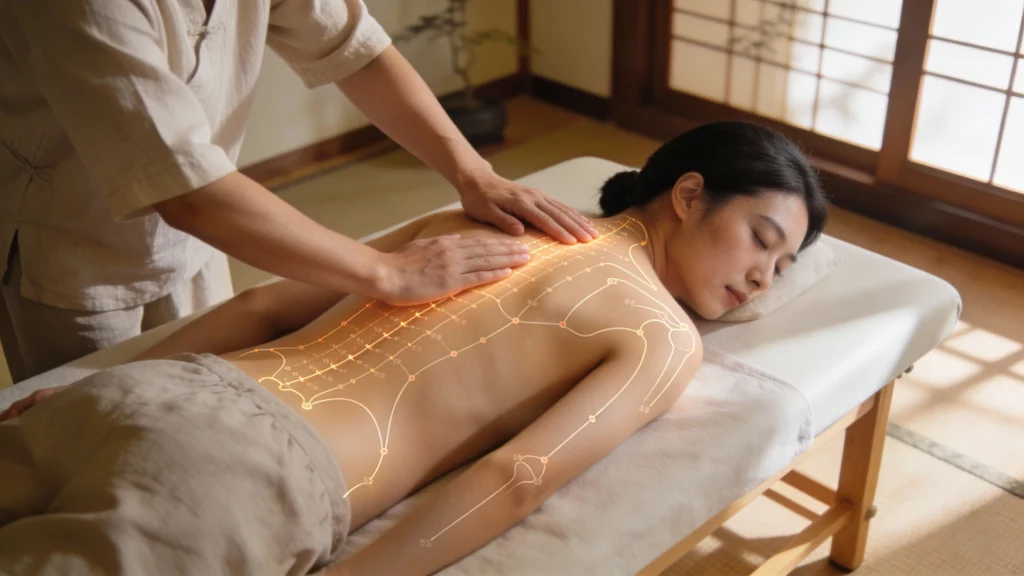
Classical Chinese medical literature, including sections of the Huangdi Neijing, links anmo to treatment of joint stiffness, digestive disorders, and postpartum fatigue. Practitioners were trained to palpate specific channels, then choose pressure sequences based on seasonal factors and a patient’s pulse quality. This systemic thinking still shapes anmo today, even when delivered in urban clinics using massage tables and modern lubricants.
Relationship to Other Traditional Massage Therapy Systems
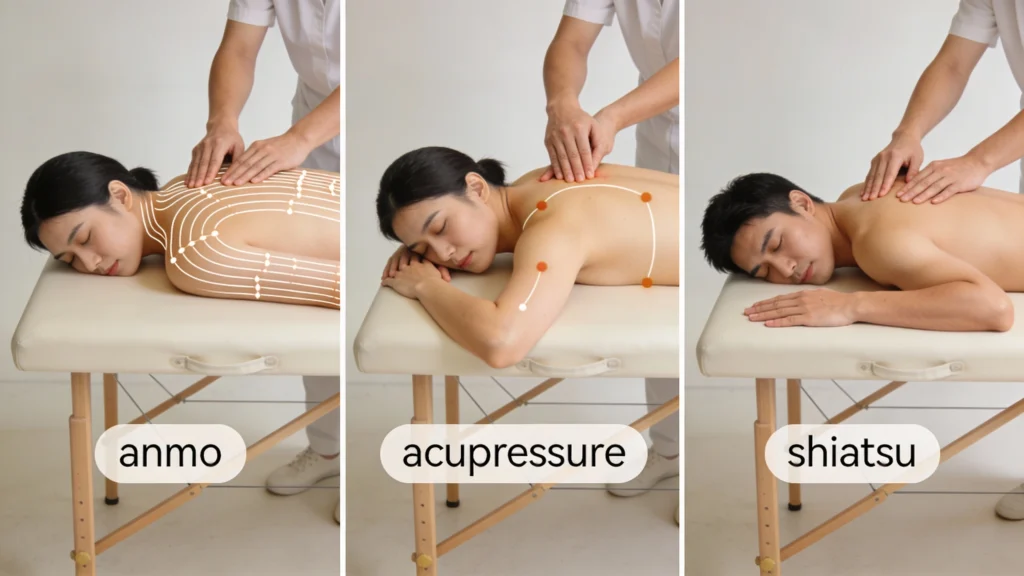
Anmo is part of a broader family of Asian bodywork methods that later informed shiatsu in Japan and tuina in contemporary Chinese hospitals. While tuina is often more vigorous and orthopedic, anmo historically emphasized whole-body regulation. Many present-day therapists blend elements of Swedish or deep tissue techniques with anmo principles, creating hybrid approaches that fit 60–90 minute appointment structures common in Western therapeutic massage.