Targeted Relaxation: How to Use Arm Massager Sleeves, Air Compression Massagers, and Bed Massagers

Bringing spa-level relaxation into your bedroom or office is easier than booking a massage. Modern arm massager sleeves, air compression systems, and bed massagers use precise pressure and vibration patterns to mimic therapist techniques, helping ease daily strain in 15–30 minutes. When used correctly, these devices can complement stretching, sleep hygiene, and stress-management routines.

Targeted devices like an arm massager sleeve or bed massager focus on specific muscle groups and circulation rather than full-body manipulation. By controlling pressure levels, session length, and positioning, you can fine-tune relaxation around desk work, workouts, or sleep. Understanding how each technology works helps you avoid discomfort, overuse, or wasted sessions that never quite hit the right spots.

An arm massager sleeve typically uses air compression chambers or rotating nodes to squeeze and release your forearm, wrist, and sometimes biceps. Bed massagers often rely on vibration motors or rolling tracks running from shoulders to calves. When combined in a simple 20–40 minute sequence, these tools can reduce perceived tension, support circulation, and prepare your body for deeper rest.

Because these devices act directly on soft tissue and sometimes blood flow, safety matters as much as comfort. Choosing conservative pressure settings, respecting manufacturer time limits, and checking with a clinician if you have circulatory, nerve, or joint issues keeps home relaxation supportive instead of risky. Used thoughtfully, they can transform a regular mattress or office chair into a reliable recovery zone.

1
arm massager sleeve

What Is an Arm Massager Sleeve and Who Is It For?

What Is an Arm Massager Sleeve and Who Is It For?

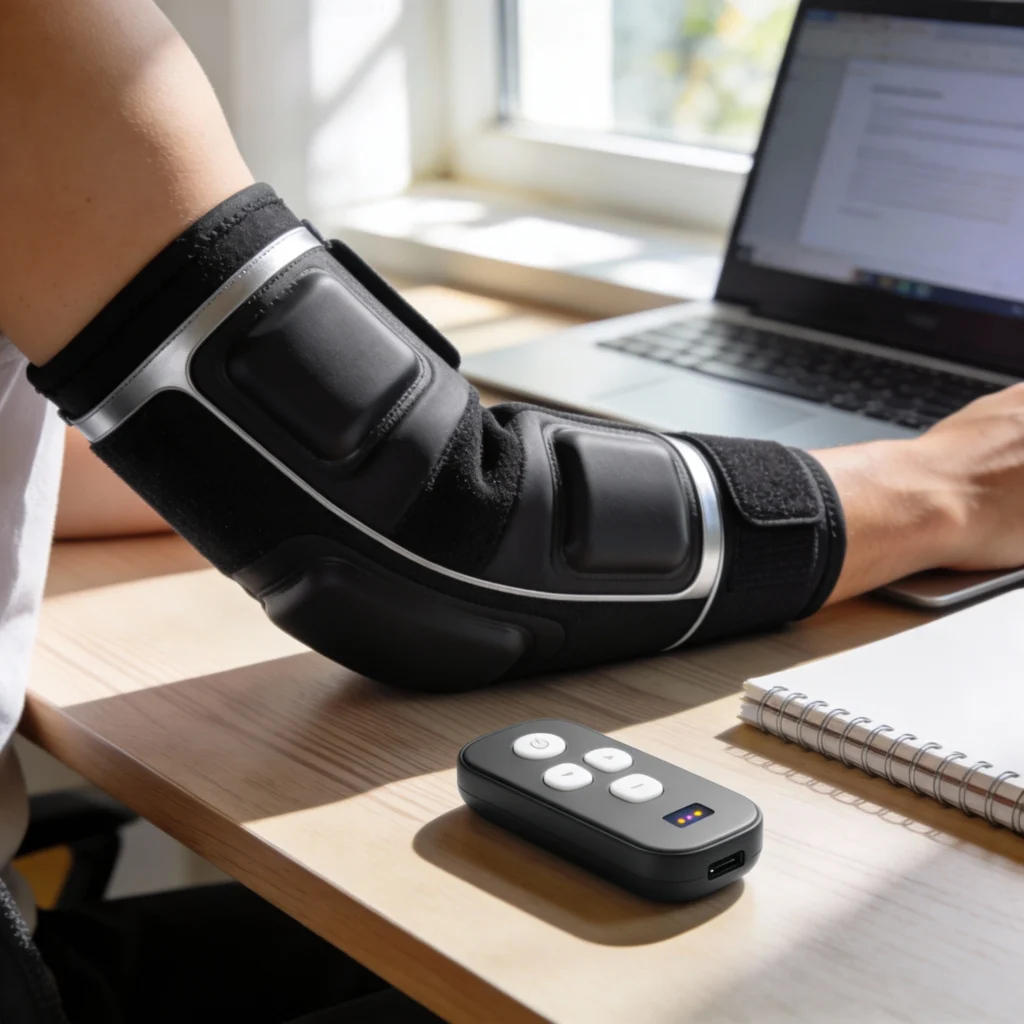
An arm massager sleeve is ideal for people who type, lift, or grip throughout the day, targeting muscles and tendons from wrist to upper arm. By cycling gentle compression along the arm, it can help relieve tightness from repetitive tasks and complement ergonomic changes, stretching, and short movement breaks during work sessions.

An arm massager sleeve is a wraparound device that covers part or all of the arm, applying rhythmic pressure, vibration, or kneading. Many models, such as the Renpho or Comfier sleeves, use 2–4 air chambers that inflate sequentially, squeezing muscles toward the heart. Others use rotating massage nodes that simulate thumb pressure along the forearm flexors and extensors.

Key Features and Mechanisms

Most sleeves secure with Velcro and fit arm circumferences between about 22–35 cm, accommodating a wide range of users. Adjustable intensity levels—usually three to five steps—let you start with gentle 20–30 mmHg pressure and progress if comfortable. Built-in timers often cap sessions at 15 or 20 minutes, preventing prolonged compression that could irritate nerves or restrict blood flow.

Ideal Users and Everyday Scenarios

People who spend 6–10 hours daily on keyboards, gaming controllers, or hand tools often notice forearm tightness and tingling. An arm massager sleeve can provide short, structured breaks that squeeze out metabolic waste and encourage fresh blood return. Athletes using racquets, barbells, or climbing holds may schedule sessions after training to reduce soreness and maintain grip comfort between workouts.
2
air compression

How Air Compression Massager Technology Works

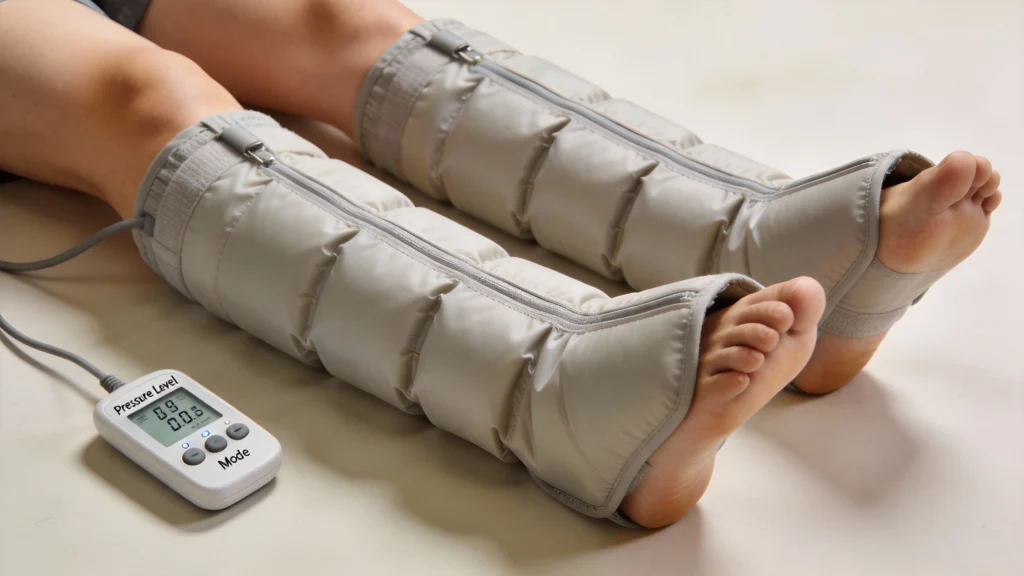
Air compression massagers rely on small electric pumps that push air into segmented chambers, creating a controlled squeezing effect along limbs or the torso. Unlike continuous pressure, these devices cycle inflation and deflation in 5–20 second waves. This pattern mimics manual compression techniques used in sports massage, encouraging venous return and lymphatic drainage without constant force on tissues.

How Air Compression Massager Technology Works

Safe setup begins with reading the manual, starting at the lowest pressure, and limiting early sessions to shorter durations. Proper positioning, avoiding twisted straps or overly tight closures, helps prevent discomfort. Paying attention to how your body responds and taking rest days can keep these tools helpful rather than overwhelming.

Understanding Compression Modes and Pressure

Many systems, including leg and arm sleeves, offer multiple modes such as sequential, full squeeze, or targeted zone programs. Sequential modes start at the extremities and move inward, helping push blood toward the core. Typical consumer devices operate between 20–120 mmHg, with lower ranges suitable for relaxation and higher levels reserved for medically supervised recovery or post-exercise use.

For general home relaxation, staying between low and medium settings—often 20–60 mmHg—balances comfort and circulation support. Higher pressures may feel impressive initially but can increase numbness risk, particularly if you exceed 20–30 minute sessions. Prioritizing consistency over intensity usually yields better long-term relief and fewer adverse sensations.

Comparing Air Compression to Other Massage Types

Unlike vibration-only devices, air compression applies broad, uniform pressure instead of localized buzzing, which many users find more soothing over 15–30 minutes. Compared with roller-based massagers, there is less risk of sharp focal pain on bony areas like wrists or shins. However, compression cannot replicate deep, targeted trigger point work, so it pairs best with stretching or occasional manual therapy.

3
bed massager

Bed Massager Basics: Turning Your Bed into a Relaxation Zone

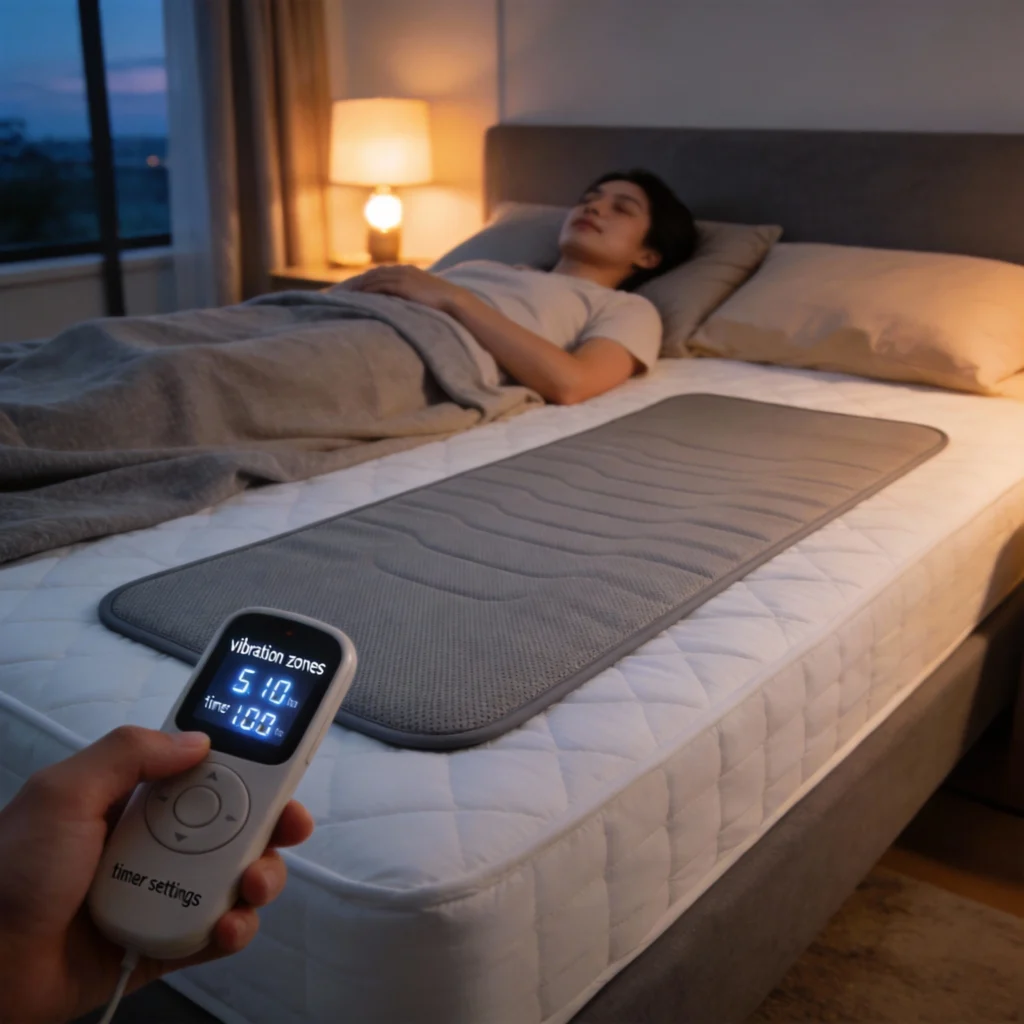
A bed massager converts a standard mattress into an active relaxation surface using embedded vibration motors, rolling tracks, or overlay pads. Some systems slide under the mattress and use four to eight motors positioned near shoulders, hips, and calves. Others are full-length pads laid directly on top, offering multiple zones you can control independently for customized comfort.

Bed Massager Basics: Turning Your Bed into a Relaxation Zone

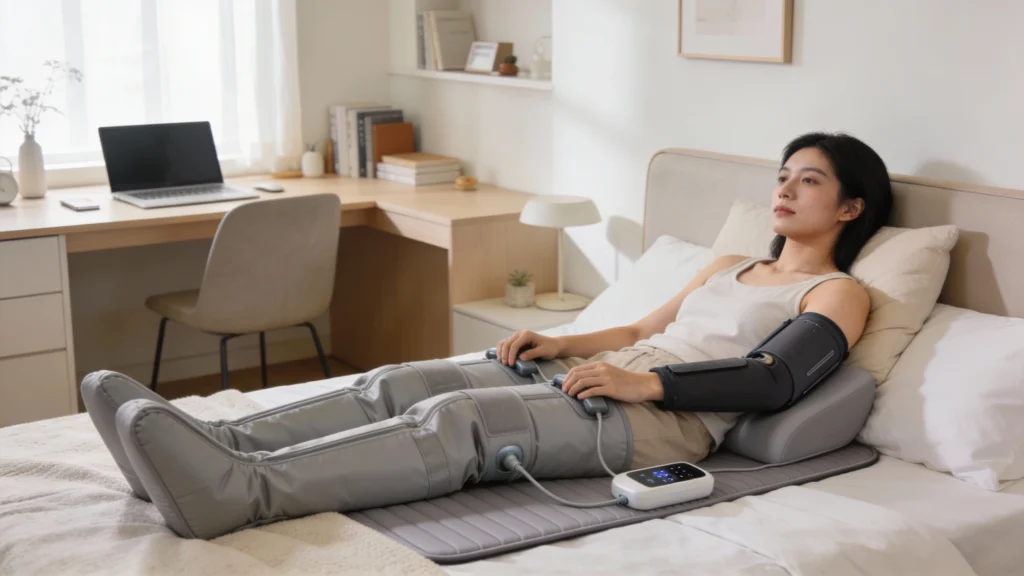
Bed massagers turn your mattress into a low-effort relaxation zone by delivering vibration or gentle pressure along the back, hips, and legs. Many models let you choose specific zones and session lengths, making it easier to wind down before sleep, loosen stiff muscles after a long day, or pair sessions with breathing exercises.

Common Bed Massager Types and Sensations

Vibration pads typically offer 3–10 intensity levels and preset programs lasting 10–30 minutes, cycling through pulses and waves. Rolling systems, often found in higher-end models around $300–$800, use motorized tracks that travel from neck to thighs, simulating a therapist’s hands. Heat elements reaching 40–50°C may be integrated, providing gentle warmth that helps muscles relax before sleep.

Key Specs and Comparisons

Understanding specifications such as motor count, noise level, and thickness helps match a bed massager to your space and sensitivity. For example, a thin 2–3 cm pad may fit easily under existing sheets without altering mattress feel. Louder units exceeding 50–55 dB might disturb light sleepers, whereas quieter models around 35–40 dB blend into background fan noise.

TypeTypical Price (USD)Motor CountNoise Level (dB)Pad Thickness (cm)
Basic vibration pad$60–$1204–645–552–3
Heated vibration pad$90–$1806–840–503–4
Rolling track system$300–$8002–4 rollers45–605–8
Under-mattress unit$80–$150440–50N/A (external)
Premium multi-zone$200–$4008–1035–453–5

Choosing a bed massager often means balancing intensity with subtlety. If you mainly want pre-sleep relaxation, a quieter multi-zone pad on low settings may work better than a powerful roller that feels stimulating. Users with sensitive backs might prefer evenly distributed vibration rather than focused rollers, which can feel too intense on thinner or very firm mattresses.

4
air compression massager

Setting Up Your Arm Massager Sleeve and Air Compression Massager Safely

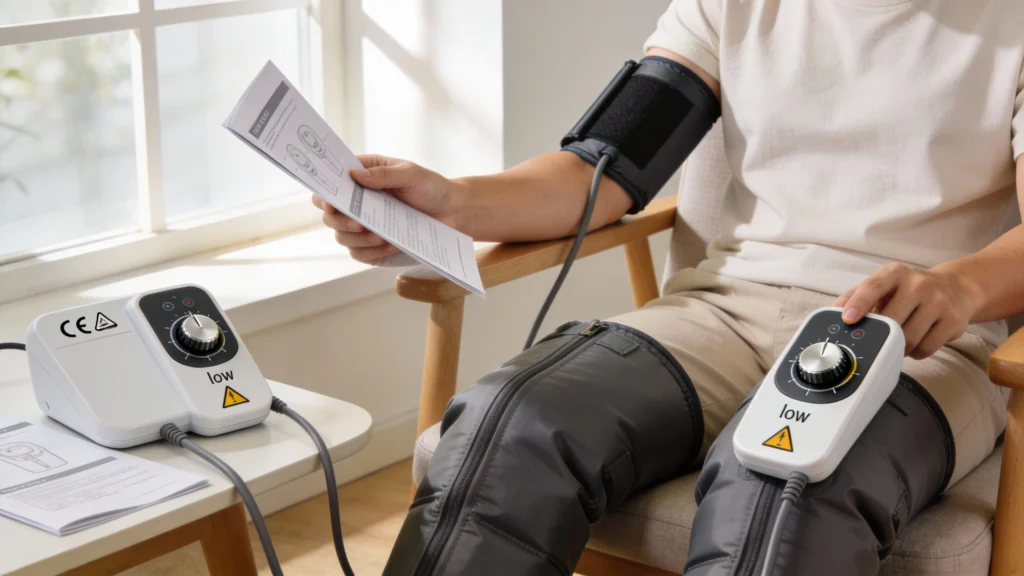
Safe setup begins with sizing and positioning before you even touch pressure buttons. When fitting an arm massager sleeve, leave enough room to slide two fingers between the fabric and skin. This simple check reduces the risk of numbness or tingling during 15–20 minute sessions. Align seams or air chambers along muscle bellies instead of directly over elbow bones.

Setting Up Your Arm Massager Sleeve and Air Compression Massager Safely

Air compression massagers work by inflating and deflating segmented chambers in a specific sequence, often moving from the extremities toward the heart. This wave-like pattern can support circulation, reduce a sense of heaviness, and offer a soothing, rhythmic pressure that mimics some therapist techniques without requiring full-body, hands-on massage.

Step-by-Step Setup and Settings

Start by sitting or lying in a neutral posture with shoulders relaxed and wrists straight, limiting strain while devices run. Connect hoses firmly to air compression ports, avoiding kinks that could cause uneven pressure. For first-time sessions, choose the lowest intensity and shortest preset, often 10–15 minutes, then gradually increase duration only if your arm feels normal afterward.

  • Begin with low pressure (around 20–30 mmHg) for the first three sessions to assess nerve and skin sensitivity safely.
  • Limit continuous use to 20–30 minutes per limb, allowing at least one hour between repeated sessions on the same area.
  • Avoid placing sleeves over recent bruises, open cuts, or fresh tattoos, which can be irritated by compression or friction.
  • Stop immediately if you notice pins-and-needles, sharp pain, or visible skin discoloration, then reduce intensity next time.

Integrating with Bed Massagers

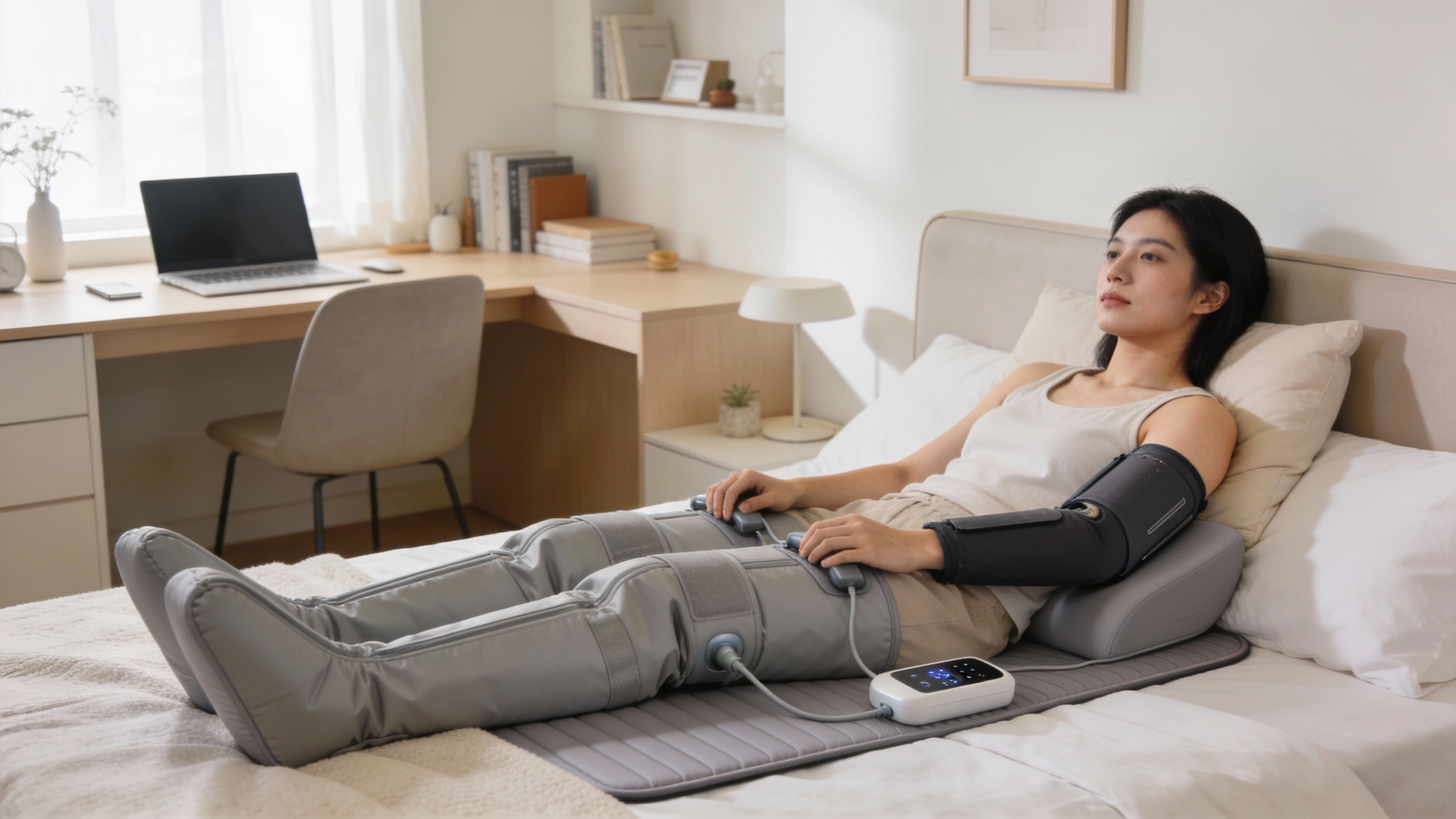
When combining an arm sleeve with a bed massager, activate one device at a time during initial trials. This separation helps you identify which sensation causes any discomfort. Once comfortable, you might run a 10-minute arm session followed by a 15-minute low-intensity bed program. Keeping total combined time under 40 minutes per evening helps prevent overstimulation before sleep.

5

Building a Full-Body Routine with Arm Massager Sleeve, Bed Massager, and More

A thoughtful routine uses each device sequentially to guide your body from alert to relaxed states. Instead of turning everything on simultaneously, structure sessions around natural transitions in your day. Late afternoon or early evening, often between 5–8 p.m., works well because muscles are still warm from activity but you’re beginning to wind down.

Building a Full-Body Routine with Arm Massager Sleeve, Bed Massager, and More

Sample 30–40 Minute Evening Routine

Begin with 5–7 minutes of gentle stretching for wrists, forearms, hamstrings, and hip flexors to free joint range. Follow with a 10–15 minute arm massager sleeve session on low or medium intensity, focusing on areas tight from typing or lifting. After a brief water break, shift onto your bed massager for a 15–20 minute low-vibration program emphasizing back and calves.

  • Use the arm sleeve three to five evenings weekly, especially on days with more than six hours of computer or phone use.
  • Reserve higher bed massager intensities for weekends, limiting to once or twice weekly to avoid adaptation and overstimulation.
  • Add a warm shower or 10-minute heat pack before sessions to raise tissue temperature and enhance perceived relaxation effects.
  • Finish routines with slow breathing, around six breaths per minute, to reinforce nervous system downshifting before sleep.

Adjusting for Mornings, Workdays, and Recovery

Morning use often calls for shorter, lighter sessions—perhaps 5–10 minutes of bed vibration to loosen stiffness without inducing drowsiness. On intense training days, you might schedule an extra 10–15 minute compression session two hours post-workout. Office users could keep a portable sleeve nearby, running a single cycle during a break instead of scrolling on their phone.

6

Who Should Be Cautious with Air Compression Massagers and Bed Massagers

Who Should Be Cautious with Air Compression Massagers and Bed Massagers

Some conditions make aggressive compression or vibration risky, so caution and professional guidance are essential. People with diagnosed deep vein thrombosis, severe varicose veins, or uncontrolled hypertension should consult a physician before using air compression massagers. These devices influence blood flow patterns, which can complicate clotting or pressure management if underlying disease is present.

Medical Conditions and Situations Requiring Advice

Individuals with diabetes-related neuropathy may have reduced sensation, making it harder to detect excessive pressure or heat. In such cases, keeping intensity at the lowest setting and shortening sessions to 10 minutes can reduce risk. Pregnant users, especially in the third trimester, should avoid strong abdominal or lower-back vibration, instead sticking to gentle limb-focused programs if cleared by their provider.

If you take blood thinners, have implanted medical devices like pacemakers, or recently underwent surgery, written clearance from your healthcare team is wise. Even seemingly mild compression or vibration can influence healing tissues, scar formation, or device behavior, and professionals can tailor safe parameters around your specific medications and procedures.

Recognizing Warning Signs During Use

Regardless of medical history, certain sensations signal that a session should stop immediately. These include sharp localized pain, sudden swelling, persistent numbness lasting more than 10–15 minutes, or shortness of breath. Keeping a mental checklist encourages you to monitor responses actively instead of zoning out completely, especially during early weeks of integrating these tools into your routine.

7

Maintenance Tips for Arm Massager Sleeves, Air Compression Massagers, and Bed Massagers

Regular maintenance extends device life and keeps contact surfaces hygienic, especially when used daily. For arm sleeves, wipe inner linings with a damp cloth and mild soap solution after every two to three uses, then air-dry completely. Avoid harsh alcohol-based cleaners on synthetic fabrics, which can cause cracking or stiffness that reduces comfort and flexibility around your arm.

Maintenance Tips for Arm Massager Sleeves, Air Compression Massagers, and Bed Massagers

Cleaning, Storage, and Troubleshooting

Bed massager pads benefit from weekly vacuuming on low suction to remove dust that can trap heat and odors. Spot-clean fabric covers with gentle detergent, avoiding soaking motor areas or control boxes. Coil cords loosely instead of wrapping tightly, preventing internal wire breakage. If you notice uneven compression, check hoses for micro-kinks or loose connectors before assuming the pump has failed.

Device TypeCleaning FrequencyTypical LifespanCommon IssueSimple Fix
Arm massager sleeveEvery 2–3 uses2–4 yearsUneven pressureInspect hoses, reseat connectors, reset pressure mode
Air compression systemMonthly exterior wipe3–5 yearsPump noise increaseMove to hard surface, clear vents, avoid fabric blocking
Bed vibration padWeekly vacuum3–6 yearsDead zone motorCheck power brick, test alternate outlet, verify remote settings
Heated bed padMonthly spot clean3–5 yearsUneven heatingStraighten pad, avoid folding, ensure full surface contact
Under-mattress unitQuarterly dusting4–7 yearsVibration rattleAdd foam spacer, tighten mounting straps or brackets

Storing devices in a dry environment between 10–25°C helps protect electronics and fabrics from moisture damage or warping. Avoid leaving bed massagers permanently powered on at the wall, as standby modes still draw small currents and can shorten power-supply life. Keeping manuals or digital copies accessible ensures you can quickly reference error codes or reset procedures when minor glitches appear.

Face, Neck, Head, Body, Back & Foot Massager
For a Relaxing & Relieving Lifestyle
14-day money back guarantee
Lowest Prices: 365 Days Discount
Safe & Secure online payment
Contact Us

Massagers Mart © 2025. All Rights Reserved

Massagers Mart
Logo
Compare items
  • Total (0)
Compare
0
Shopping cart