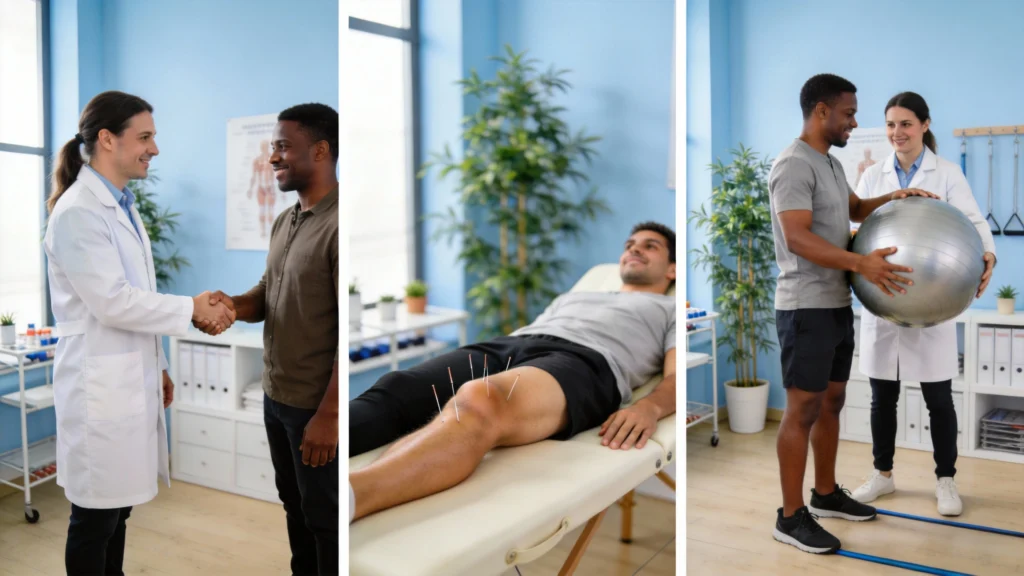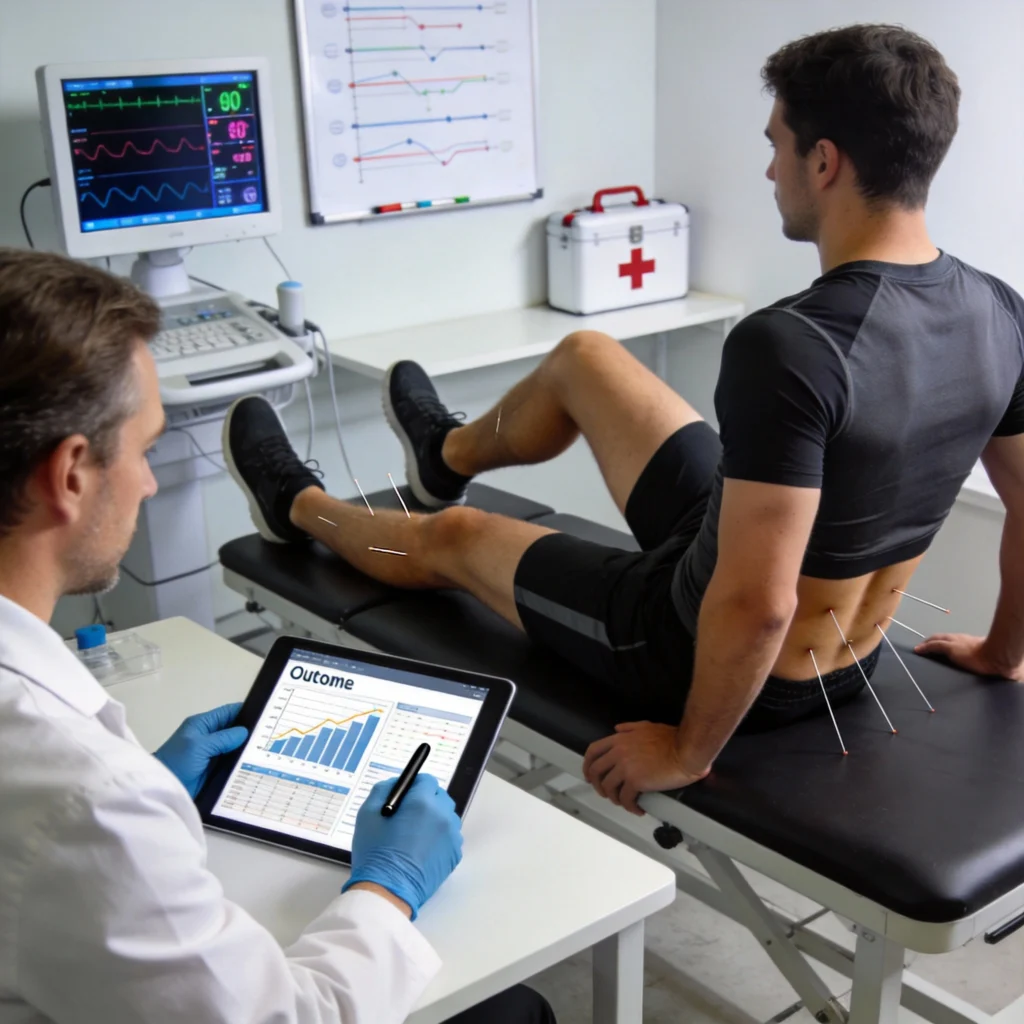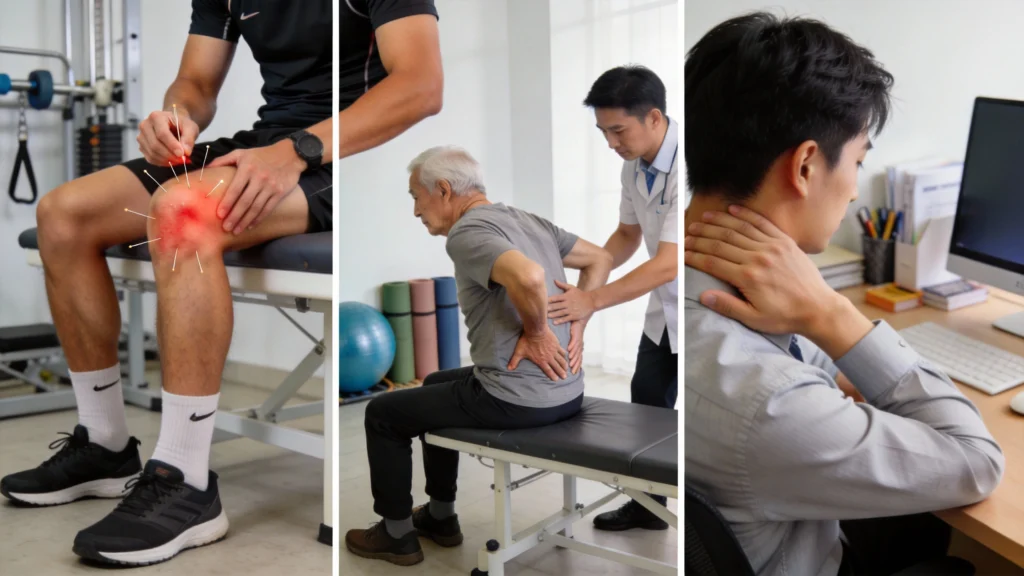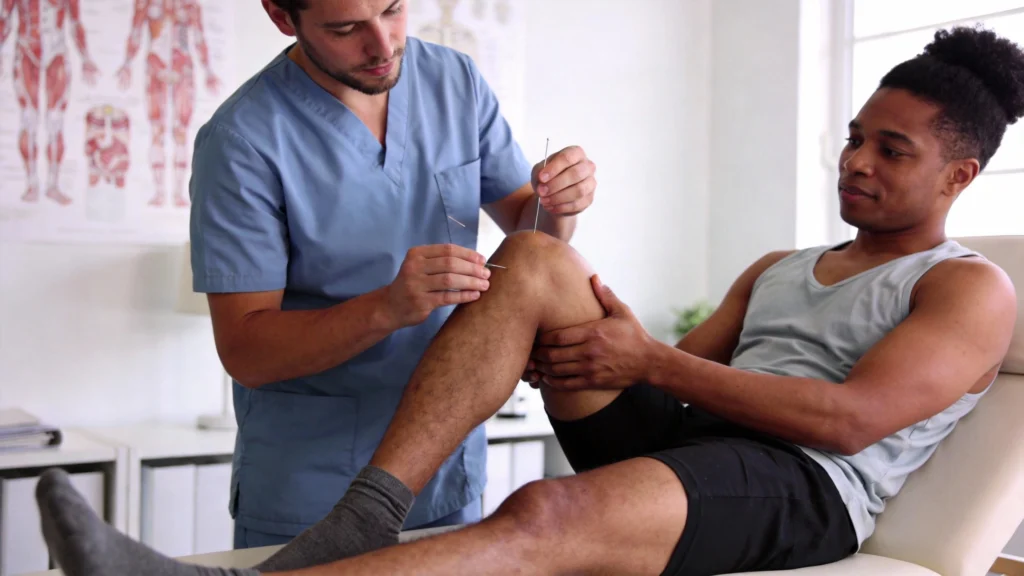
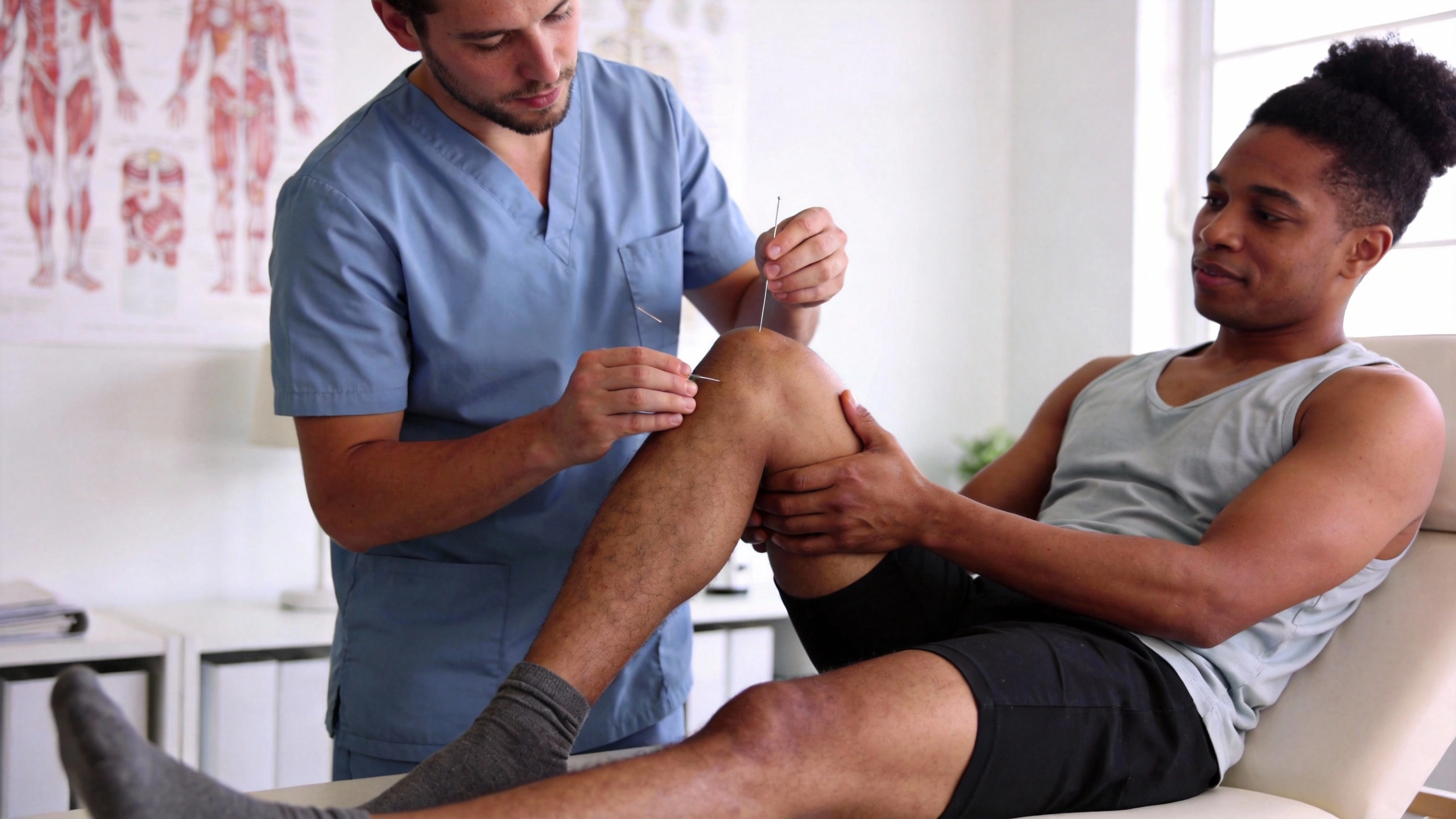
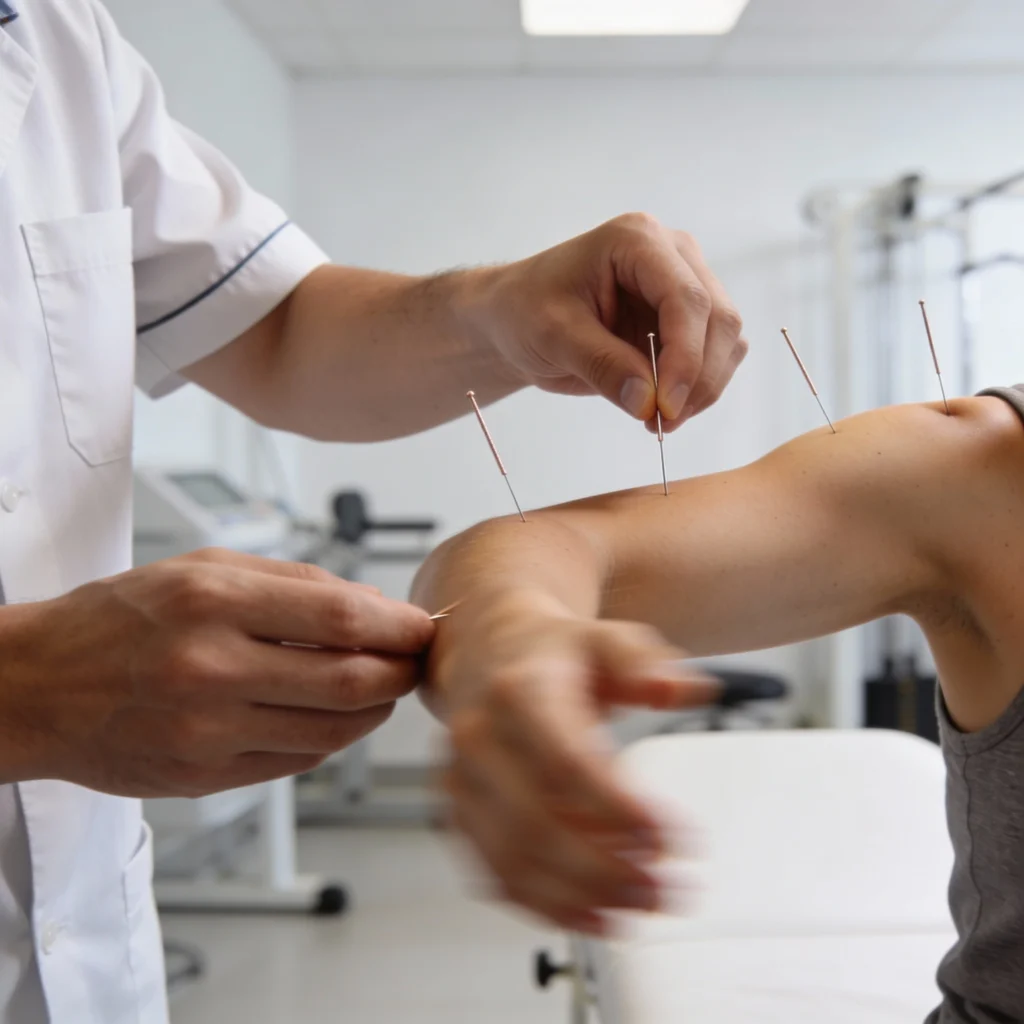
In acupuncture physical therapy, needling is woven directly into a structured rehab plan rather than used as a stand‑alone treatment. A therapist might place needles around a painful shoulder, then guide gentle mobility drills. This pairing targets both neuromodulation of pain and gradual restoration of strength, stability, and functional movement.
Acupuncture physical therapy is a treatment model where a licensed physical therapist uses acupuncture or dry needling alongside exercise, manual therapy, and education. The therapist may hold dual credentials in physical therapy and medical acupuncture, allowing them to integrate trigger-point needling, meridian-based points, and joint mobilizations in a single 45–60 minute session tailored to specific functional goals.
How It Differs From Standalone Acupuncture or Standard PT
Standalone acupuncture often centers on symptom patterns and traditional meridian theory, while standard PT emphasizes biomechanics, strength, and movement retraining. Acupuncture physical therapy deliberately merges both. For example, a therapist might needle L4–L5 paraspinals and gluteus medius, then immediately coach hip abduction drills. This sequencing leverages temporary pain reduction to increase exercise intensity without exceeding tissue load tolerance.
Mechanisms: Neuromodulation, Circulation, and Motor Control
Thin needles (typically 0.20–0.30 mm diameter, 25–50 mm length) stimulate sensory fibers, influencing spinal cord gating and descending inhibitory pathways. Research shows local endorphin release and changes in limbic activity within 15–30 minutes. By reducing hyperalgesia and muscle spasm, acupuncture can improve joint excursion by 5–15 degrees, allowing more precise motor control training during the same acute care physical therapy visit.