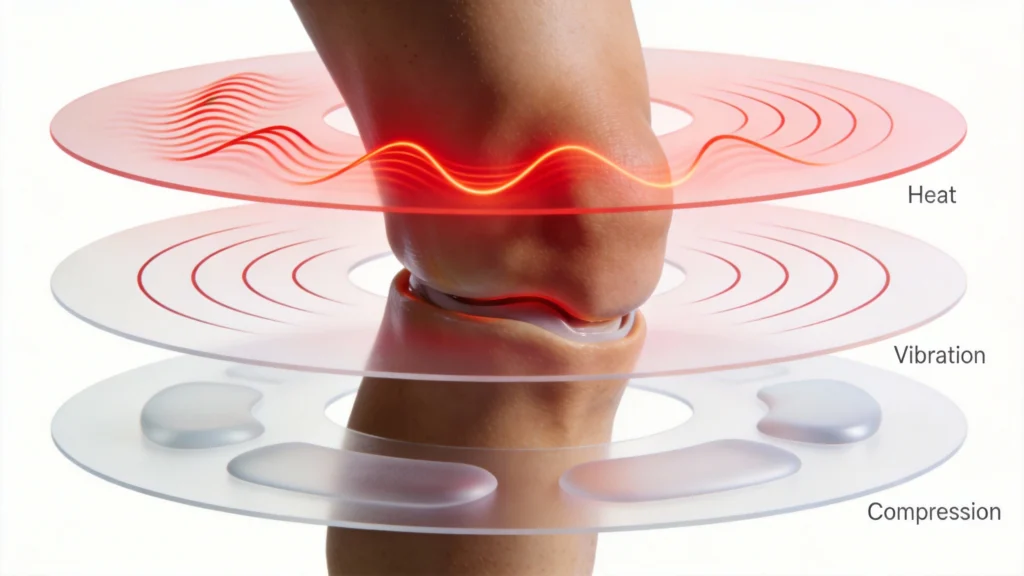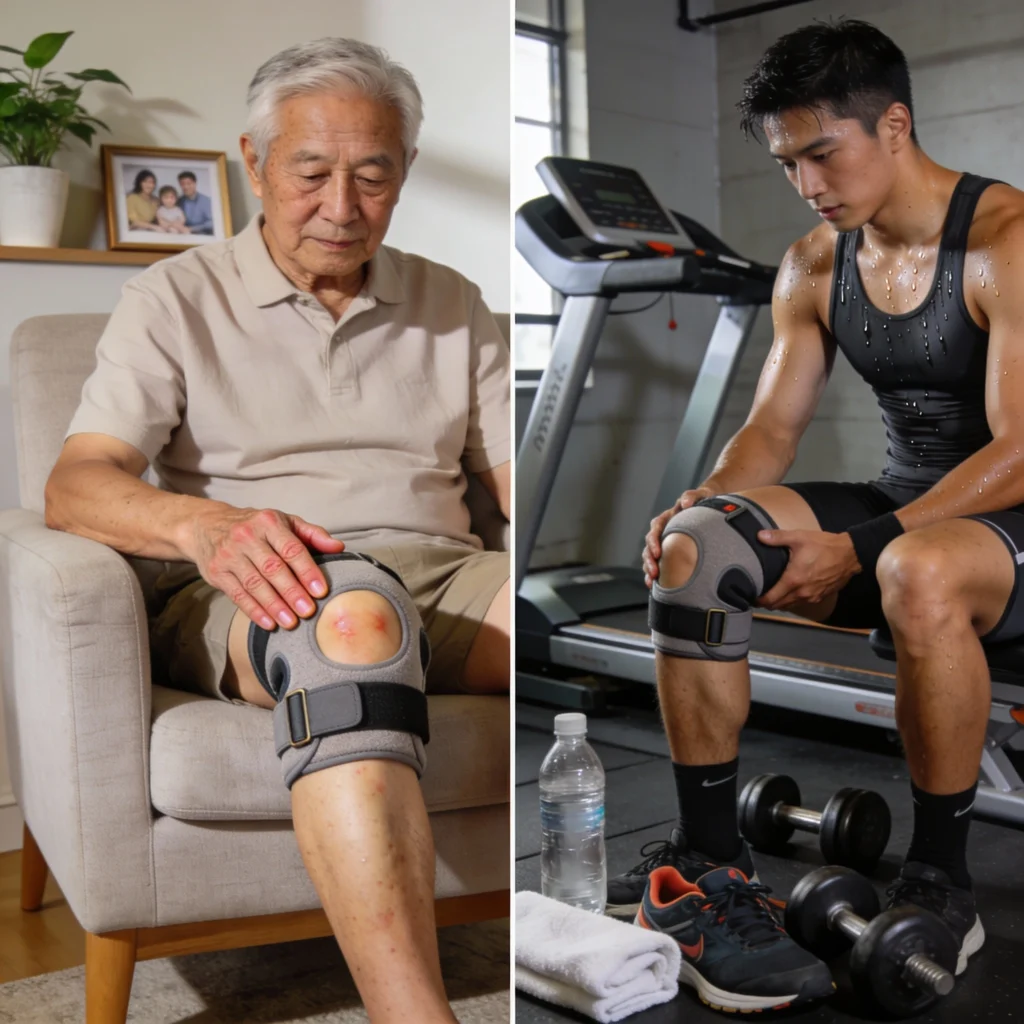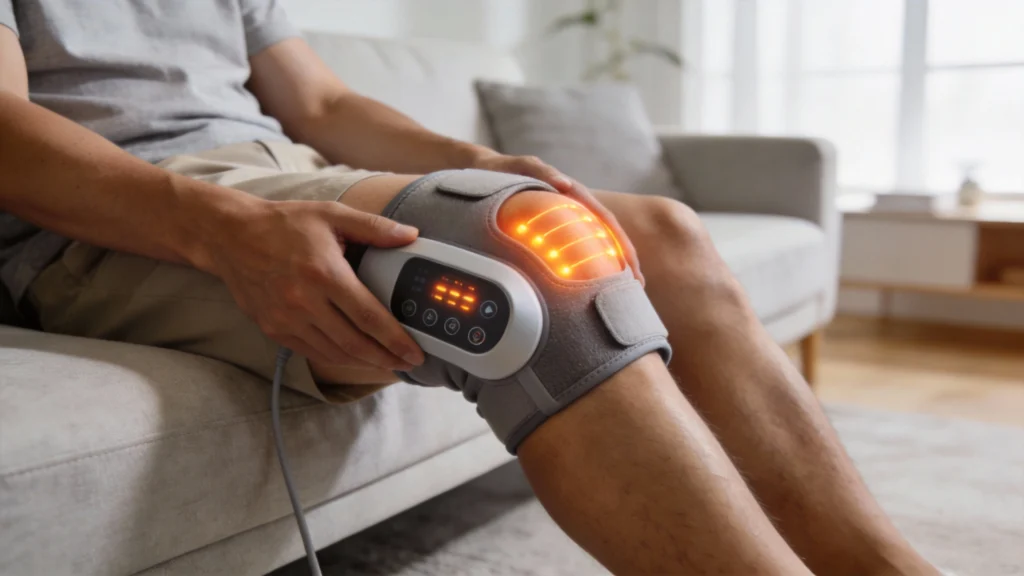
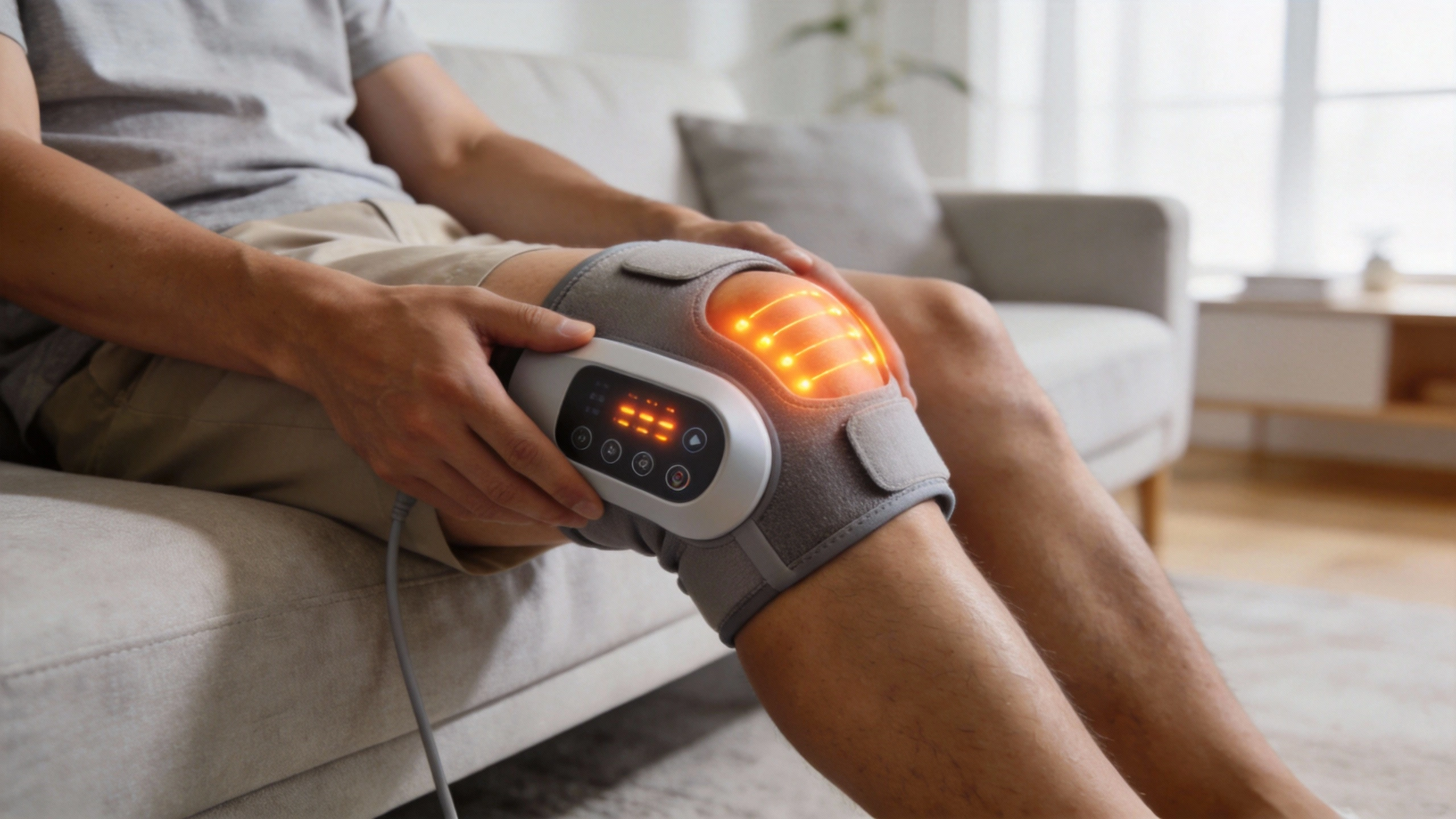
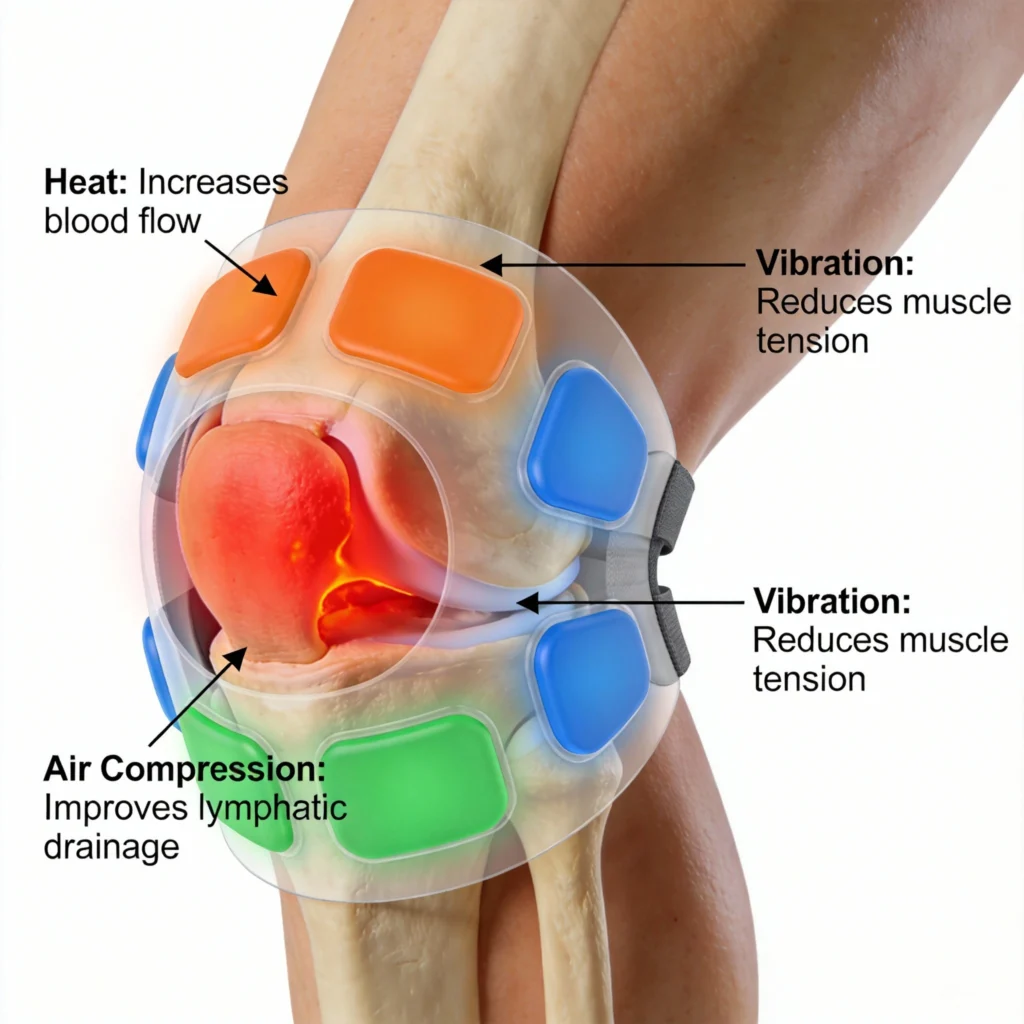
Understanding how a knee massager interacts with the joint makes it easier to choose the right device. Heat can improve circulation around arthritic cartilage, while gentle vibration may reduce pain signals. Added air compression can support the joint capsule, helping people with osteoarthritis or old injuries feel more stable and less reactive to everyday movements.
Knee massagers target three main mechanisms—heat, vibration, and compression—to influence blood flow, pain signaling, and joint stiffness. For arthritis, low to moderate heat around 40–45°C can improve synovial fluid viscosity, making movement smoother. Vibration between 30–60 Hz may disrupt pain signals, while rhythmic compression helps move fluid out of swollen tissues, reducing that tight, balloon-like feeling.
Mechanisms Behind Pain Relief
Heat therapy dilates local blood vessels, increasing circulation by up to 25–30% in superficial tissues, which can accelerate removal of inflammatory byproducts. Vibration stimulates mechanoreceptors in the skin and muscles, competing with nociceptors that transmit pain, a principle known as the gate control theory. Compression cycles, often 20–60 mmHg, gently squeeze and release tissues, encouraging lymphatic drainage and reducing morning stiffness.
Benefits for Different Knee Conditions
For osteoarthritis, consistent use of a knee massager can reduce perceived pain scores by one to two points on a 0–10 scale for some users, especially when combined with strengthening exercises. Those with patellofemoral pain or runner’s knee may benefit more from vibration and moderate compression to calm irritated soft tissues. Post-surgical patients often use lower heat and gentle compression under medical supervision to avoid interfering with healing.