7 Best Back Massager Sticks and Hooks for Shoulder Relief

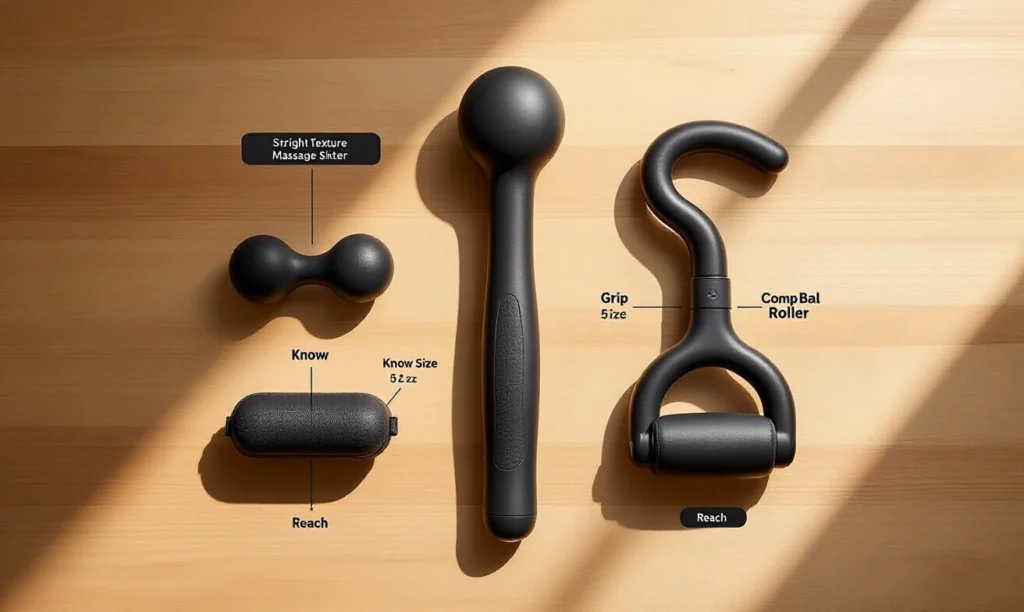
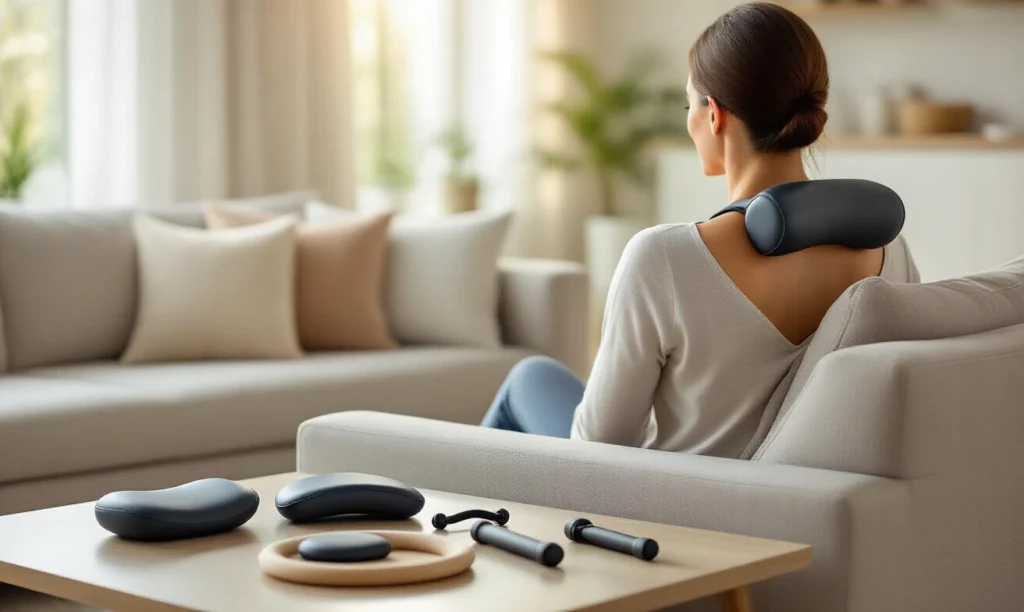
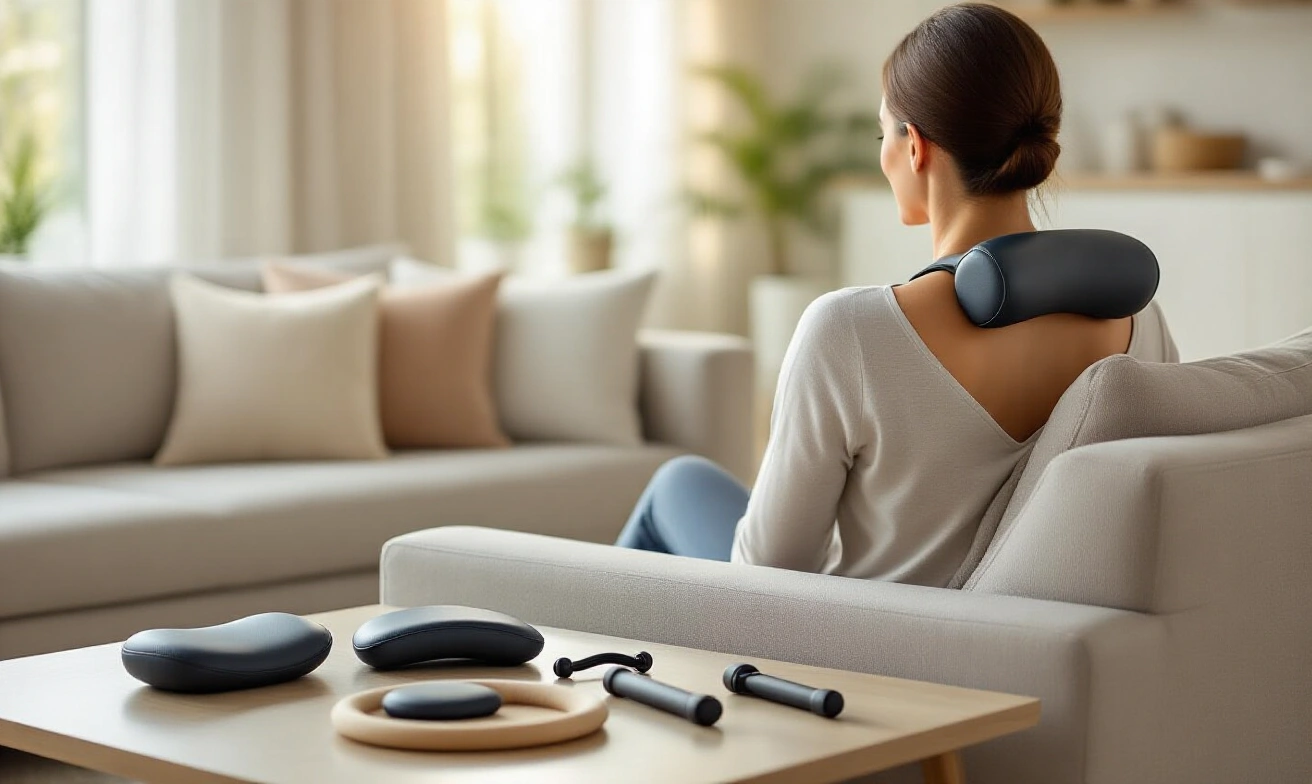
Hours at a desk, long drives, or heavy lifting can leave your upper back feeling like concrete. Simple manual tools, especially a well-designed back massager stick or hook, let you apply precise pressure without batteries, chargers, or noise, giving you clinic-style trigger point work at home for a fraction of the cost.

A manual back massager stick focuses force into small knots instead of spreading it across large areas, so you can dissolve tension in the shoulders, neck, and mid-back. Because you control angle and pressure, you can stay just under a pain level of 7/10, which research shows is ideal for releasing trigger points without causing guarding.

Back hook massagers extend your reach so you can comfortably press into spots between the shoulder blades that fingers rarely reach. A curved lever gives you up to three times more mechanical advantage than bare hands, meaning a gentle pull of 5–7 pounds can generate deep, sustained pressure of 15–20 pounds where you actually hurt.

Unlike electric devices, these tools never run out of battery and pack easily into a gym bag or carry-on. With prices starting near $15, they’re a low-risk way to build a self-massage routine, supporting everything from post-workout recovery to daily desk relief without recurring spa or therapist bills.

1
back massager stick

How Back Massager Sticks and Hooks Relieve Muscle Knots

How Back Massager Sticks and Hooks Relieve Muscle Knots

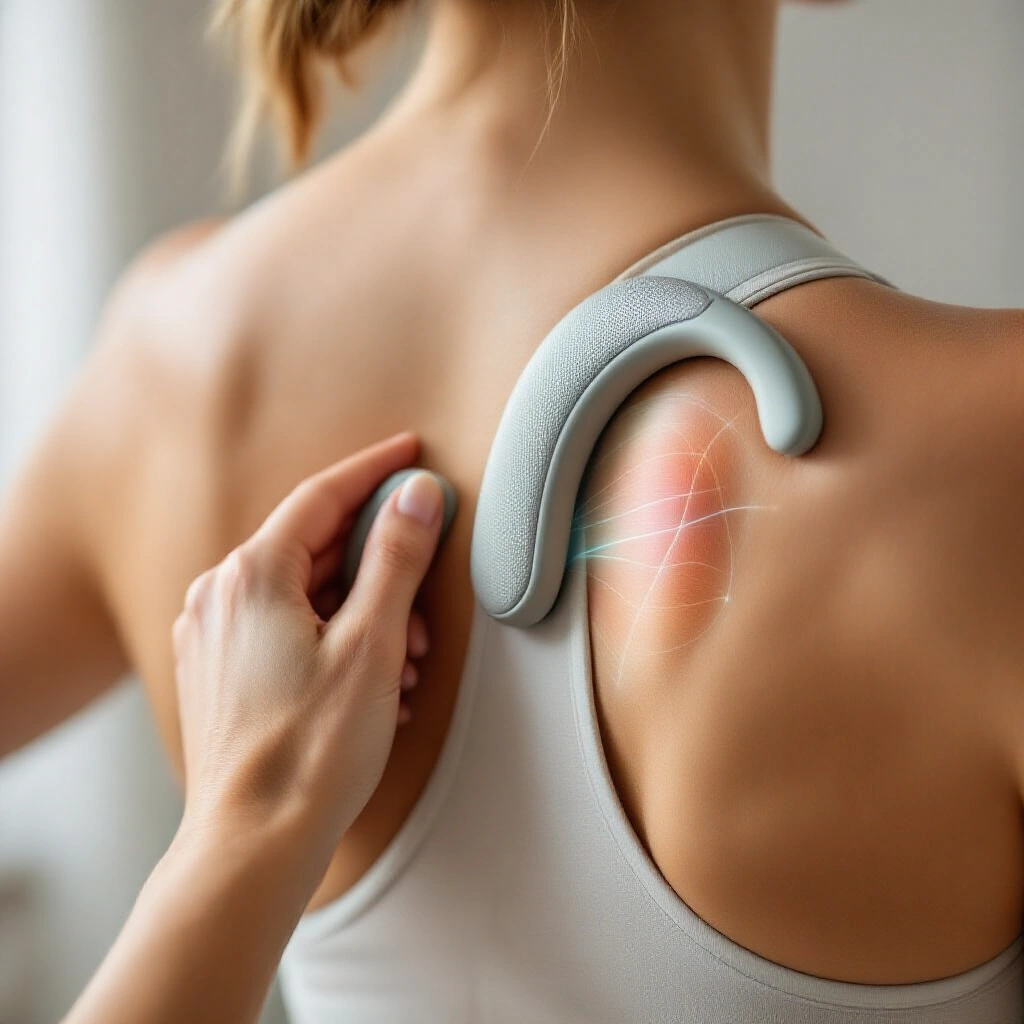
When you press a back massager hook into a tight spot between the shoulder blade and spine, you’re targeting a trigger point rather than spreading force across a broad area. Staying just below a 7 out of 10 on the pain scale helps the muscle release instead of tensing up, gradually easing that deep, concrete-like tightness.

Trigger points are tiny muscle fibers stuck in a contracted state, often from repetitive strain or poor posture. A back massager stick or back hook massager lets you apply slow, direct pressure for 60–90 seconds, starving the knot of blood, then encouraging a fresh rush when you release. This ischemic compression cycle helps reset muscle length and reduces nerve irritation.

Leverage, Angles, and Precise Pressure

A straight stick or curved hook acts like a long wrench, multiplying the force from your hands. When you apply 5 pounds of pull at the handle, the curved section can deliver 15–20 pounds into a knot near your shoulder blade. By changing angles every 10–15 degrees, you can follow the line of specific muscles like the rhomboids or upper trapezius instead of just pressing randomly.

Holding pressure until discomfort eases by roughly 50% is a practical rule; most people notice a clear softening after 45–75 seconds on one spot.

Neurological Reset and Posture Benefits

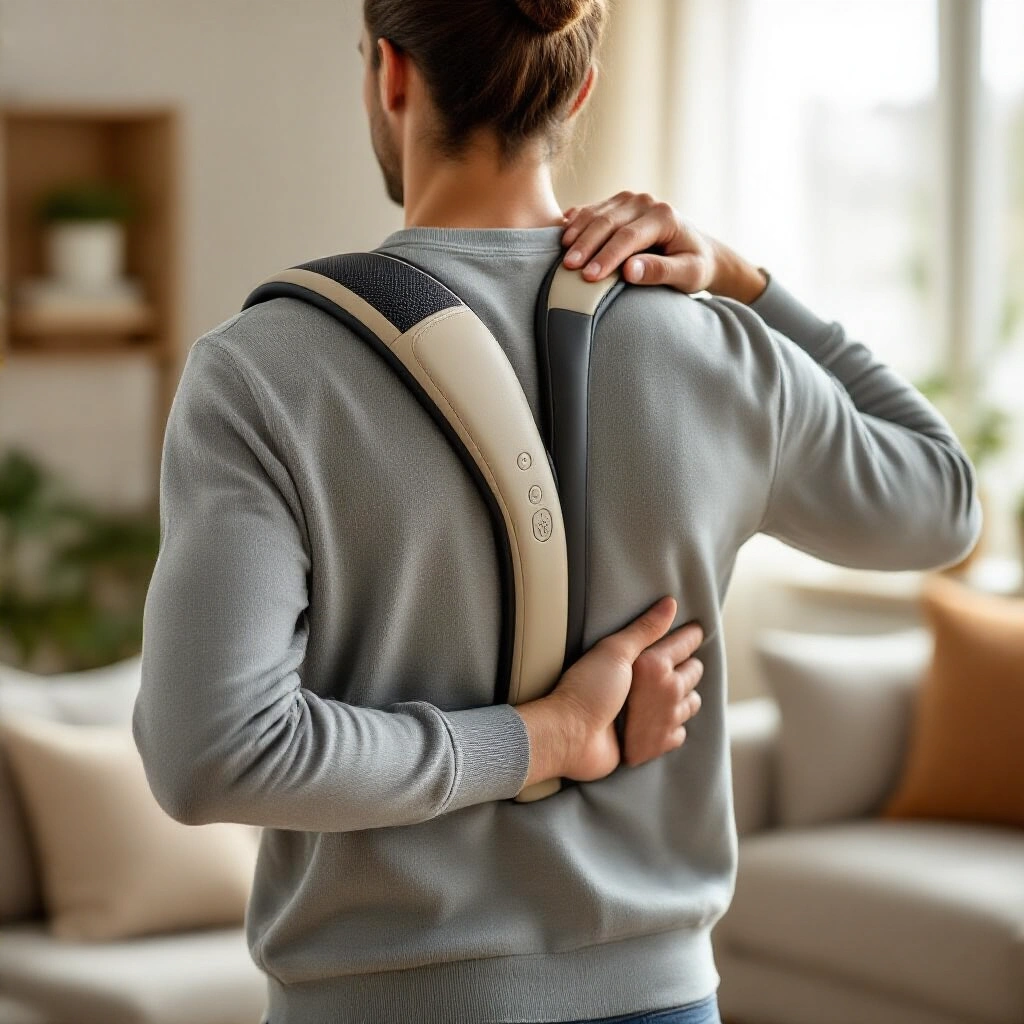
Deep pressure from a back and shoulder massager doesn’t just squash tissue; it also influences your nervous system. Sustained compression stimulates mechanoreceptors, which compete with pain signals traveling along the same spinal pathways. This gate-control effect can reduce perceived pain intensity by 30–40%, making it easier to correct posture and move through a fuller range without bracing or guarding afterward.
2
back and shoulder massager

Selection Criteria: What Makes a Great Back and Shoulder Massager Tool

Choosing the right back and neck massager tool means matching design details to your body size, flexibility, and pain patterns. Small differences in length, handle texture, or curve radius determine whether you can comfortably reach knots between the shoulder blades or along the lower neck. Evaluating a few key specs before buying prevents you from ending up with a tool that collects dust.

Selection Criteria: What Makes a Great Back and Shoulder Massager Tool

Back hook massagers excel at reaching deep knots at the tops of the shoulders and along the base of the neck. By pulling the hook’s handle forward, you can generate strong, controlled pressure on hard-to-reach spots while keeping your arms relaxed, making it easier to work on stubborn tension without tiring yourself out.

Material, Grip, and Durability Factors

Most manual back massagers use high-density plastic, stainless steel, or wood, each with trade-offs. High-density plastic, around 0.9–1.2 g/cm³, is light and strong for travel. Stainless steel tools weigh more but transfer pressure extremely precisely, great for deep trigger points. Look for non-slip grips or rubberized sections at least 3–4 inches long to prevent hand fatigue during 5–10 minute sessions.

Tools rated to support at least 100–150 pounds of bending force are less likely to crack when you lean firmly into stubborn knots.

Shape, Portability, and Body-Area Fit

For upper back work, a hook with a 20–24 inch overall length and at least one 1-inch knob near the end usually reaches between shoulder blades on most adults. Straight sticks between 16–20 inches suit two-handed leverage across the shoulders or along the spine. If you travel often, prioritize designs that disassemble into 2–3 segments under 10 inches each to fit laptop bags.

3

Best Overall Back Massager Stick for Everyday Use

Best Overall Back Massager Stick for Everyday Use

For everyday use, a well-designed back massager stick should feel intuitive to hold and easy to maneuver across the upper back. Ergonomic handles reduce strain in the wrists and forearms, while a slightly curved center with small nodes lets you roll or press into tight bands of muscle without needing extreme strength or flexibility.

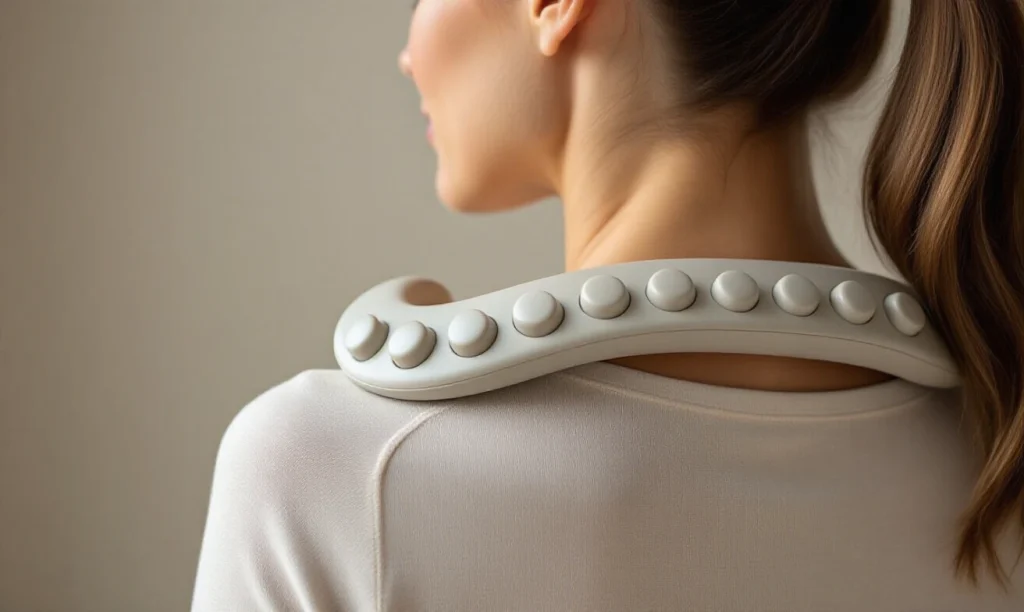
The Body Back Buddy Jr. earns a top spot as a versatile back massager stick and hook hybrid for daily use. At about 23 inches long and under 1 pound, it’s light enough for quick sessions yet sturdy enough for strong pressure. Its S-shaped curve and multiple knobs let you reach both upper and mid-back without awkward twisting or asking someone else for help.

Why the Body Back Buddy Jr. Stands Out

This tool offers 7 strategically placed knobs, including rounded ends around 1 inch in diameter that comfortably sink into shoulder knots without bruising. The dual-curve design gives you different lever arms, so you can use a shorter segment for gentle 5–10 pound pressure or a longer one for deeper 15–20 pound work. Users with heights from 5’2″ to 6’2″ generally report full mid-back coverage.

Using the Jr. for three 5-minute sessions per week often reduces perceived upper-back tightness by roughly 30% within a month.

Best Use Cases and Practical Tips

For desk workers, sliding a knob just inside the shoulder blade while gently pulling the opposite handle targets postural knots from rounded shoulders. Athletes can trace along the spine’s erector muscles after heavy deadlifts, staying 1 inch off the vertebrae. Keeping sessions under 10 minutes per region, two or three times daily, minimizes soreness while encouraging consistent tissue change.

4
back hook massager

Best Back Hook Massager for Deep Shoulder and Neck Knots

When your main complaint is stubborn knots around the shoulder blades and base of the skull, a dedicated back hook massager offers superior reach. The Theracane is a classic choice, with a 24-inch length and six treatment knobs. Its simple cane shape focuses on leverage and ergonomics rather than gimmicks, making it a favorite among physical therapists and chronic pain sufferers.

Best Back Hook Massager for Deep Shoulder and Neck Knots

Choosing the right back and shoulder massager tool comes down to reach, handle comfort, and how focused the pressure feels. Longer hooks are ideal for upper back and neck trigger points, while straight sticks with textured grips work well along the spine. Knob size also matters—smaller tips dig deeper, larger ones feel more diffuse.

Theracane Specs and Comparative Details

The table below compares the Theracane with a few similar hook-style tools to clarify how its dimensions and price stack up. Paying attention to length, weight, and number of knobs helps ensure you’ll comfortably reach your specific trouble spots without overloading your hands or shoulders during longer sessions.

ModelLength (inches)Weight (ounces)KnobsApprox. Price (USD)
Theracane2415635
Body Back Buddy Classic25201150
Q-Flex Acupressure Hook188223
LiBa Back and Neck Hook2316830
Compact Travel Hook1610420

Theracane’s slightly heavier build helps it maintain stable pressure on neck and shoulder knots without requiring constant grip strength. The central handle allows you to brace with two hands, distributing effort between arms. For tension at the skull base, placing a smaller knob just below the occiput and gently pulling for 60 seconds can significantly ease tension headaches and improve neck rotation.

5
back and neck massager

Best Compact Back and Neck Massager Stick for Travel

Travelers often need a back and neck massager that fits into a carry-on yet still delivers meaningful pressure after cramped flights. The RumbleRoller Beastie Bar with stands functions like a compact back massager stick, measuring about 17 inches and weighing roughly 13 ounces. Its spiky 2-inch Beastie balls provide intense, localized pressure for people accustomed to firmer tools.

Best Compact Back and Neck Massager Stick for Travel

Portable Design and Use Scenarios

The Beastie Bar breaks down into two stands and a center rod, so it packs flat in laptop sleeves or gym bags. You can roll it along the upper back while lying on a hotel floor or use it seated against a chair. Each Beastie ball’s firm polyurethane spikes dig into dense trigger points that softer foam rollers often glide over without real change.

  • At 17 inches long, it fits diagonally in most 20–22 inch carry-on suitcases without bending or damage.
  • Spikes are roughly 0.4 inches tall, creating higher pressure per square inch than smooth rollers or lacrosse balls.
  • Stands raise the bar about 2 inches off the ground, letting you adjust body weight load from 20–80% comfortably.
  • Ideal for 30–60 second slow rolls along paraspinal muscles after flights longer than 4–5 hours.
6

Best Budget-Friendly Manual Back Massager Tool

Best Budget-Friendly Manual Back Massager Tool

If you’re new to manual tools, a budget back massager is a smart starting point. The LiBa Back and Neck Massager often sells around $25 or less, yet offers an 23-inch S-shape with eight knobs. Despite the low price, its high-density plastic frame supports significant leverage, making it suitable for both lighter daily use and occasional deep tissue sessions.

Affordable Performance and Key Features

The LiBa’s knobs vary slightly in size, from about 0.8 to 1.1 inches, allowing you to experiment with broader or more pinpoint pressure. Textured grip zones near each handle reduce slipping when your hands are slightly sweaty after workouts. For many beginners, this mix of affordability and versatility provides enough functionality to decide whether more specialized tools are worth future investment.

  • Often discounted to $20–25, roughly 40–60% cheaper than many premium multi-knob hook designs.
  • Supports users up to approximately 250 pounds when braced against a wall without noticeable flexing or creaking.
  • Eight knobs cover neck, shoulders, mid-back, and glutes without needing separate attachments or interchangeable heads.
  • Light 16-ounce weight keeps hand fatigue manageable during 8–10 minute evening self-massage routines.
7

How to Choose Between a Stick, Hook, or Chair Back Massager

With so many formats available, deciding between a back massager stick, hook, or back massager for chair depends on your daily habits and pain patterns. Hooks excel at reaching between the shoulder blades, while straight sticks shine for rolling across broader areas. Chair-mounted tools prioritize convenience, letting you work on your back while typing or watching TV.

How to Choose Between a Stick, Hook, or Chair Back Massager

Comparing Formats and Typical Users

The table below compares core specs and best use cases for sticks, hooks, and chair back massagers. Looking at dimensions, price ranges, and ideal session styles helps you decide whether to start with one tool or build a small kit. Many people ultimately own both a hook and a chair-mounted device for different contexts throughout the day.

TypeTypical Length (inches)Price Range (USD)Best ForUsage Style
Hook20–2520–60Shoulder blade knotsStatic pressure 60–90 seconds
Stick16–2025–70Rolling upper backSlow rolling 30–60 seconds
Chair massager18–2830–150Hands-free desk reliefContinuous 10–20 minute sessions
Travel mini10–1615–40On-the-go tensionShort 3–5 minute breaks
Set / bundleVaries40–120Full-body coverageMixed techniques daily

If your main issue is desk-related stiffness, a back massager for chair plus a small hook often covers most scenarios. Chronic athletes or lifters may prefer a sturdy hook and a rolling stick for post-training recovery. When budget allows, owning two complementary tools—one for static trigger point pressure, one for broader rolling—creates a flexible system you can adapt as your body and schedule change.

Face, Neck, Head, Body, Back & Foot Massager
For a Relaxing & Relieving Lifestyle
14-day money back guarantee
Lowest Prices: 365 Days Discount
Safe & Secure online payment
Contact Us

Massagers Mart © 2025. All Rights Reserved

Massagers Mart
Logo
Compare items
  • Total (0)
Compare
0
Shopping cart